


Gilded in shiny silver chrome with American flags fluttering from its end, the Euclid Beach Boy’s Rocket Ship Car looked like something out of a 70s sci-fi flick as it traversed the streets of Chester Township July 20.
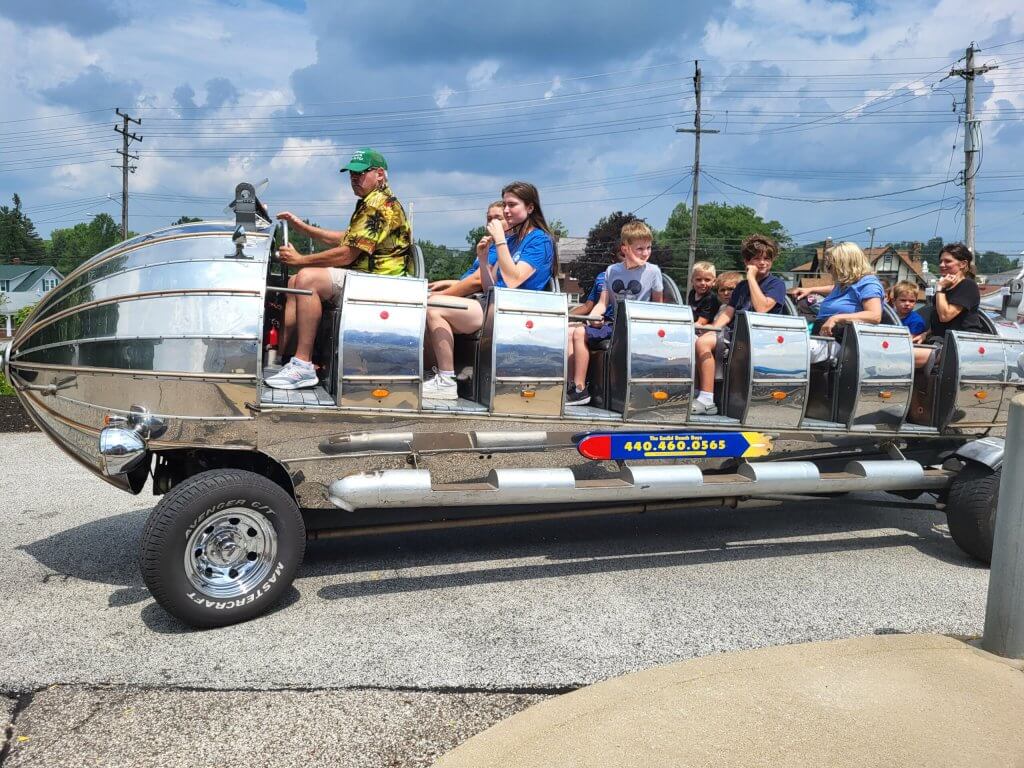
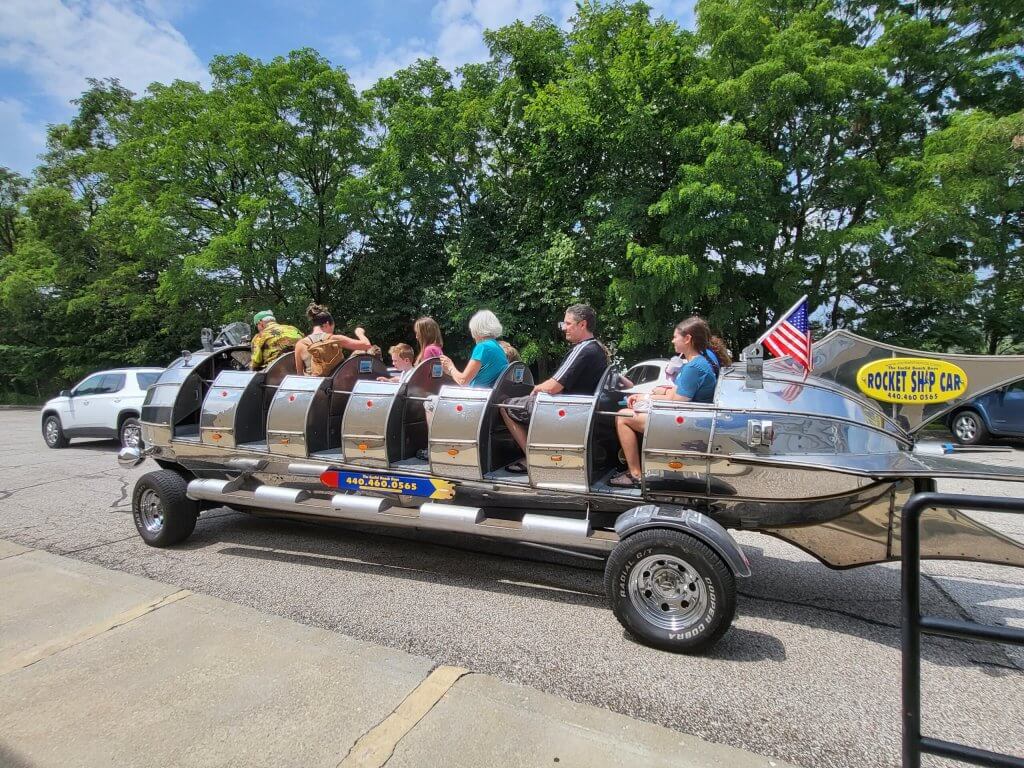
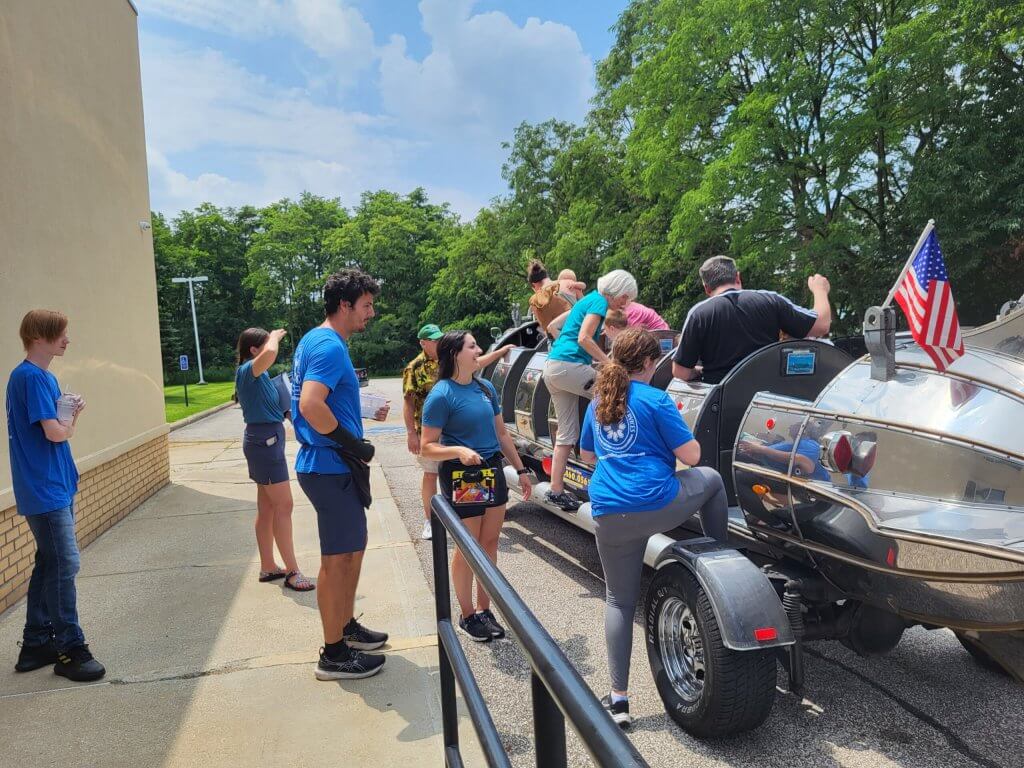
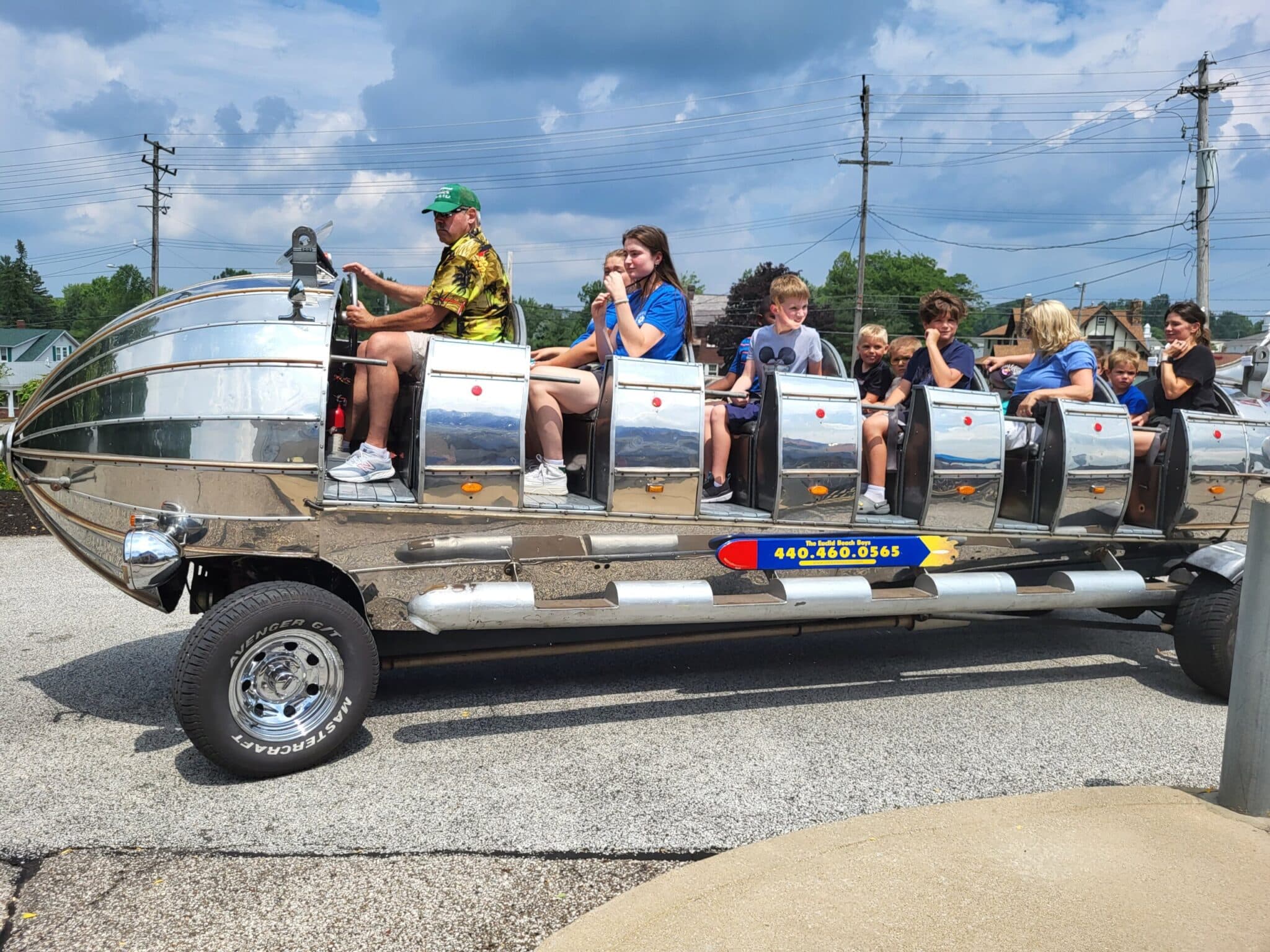
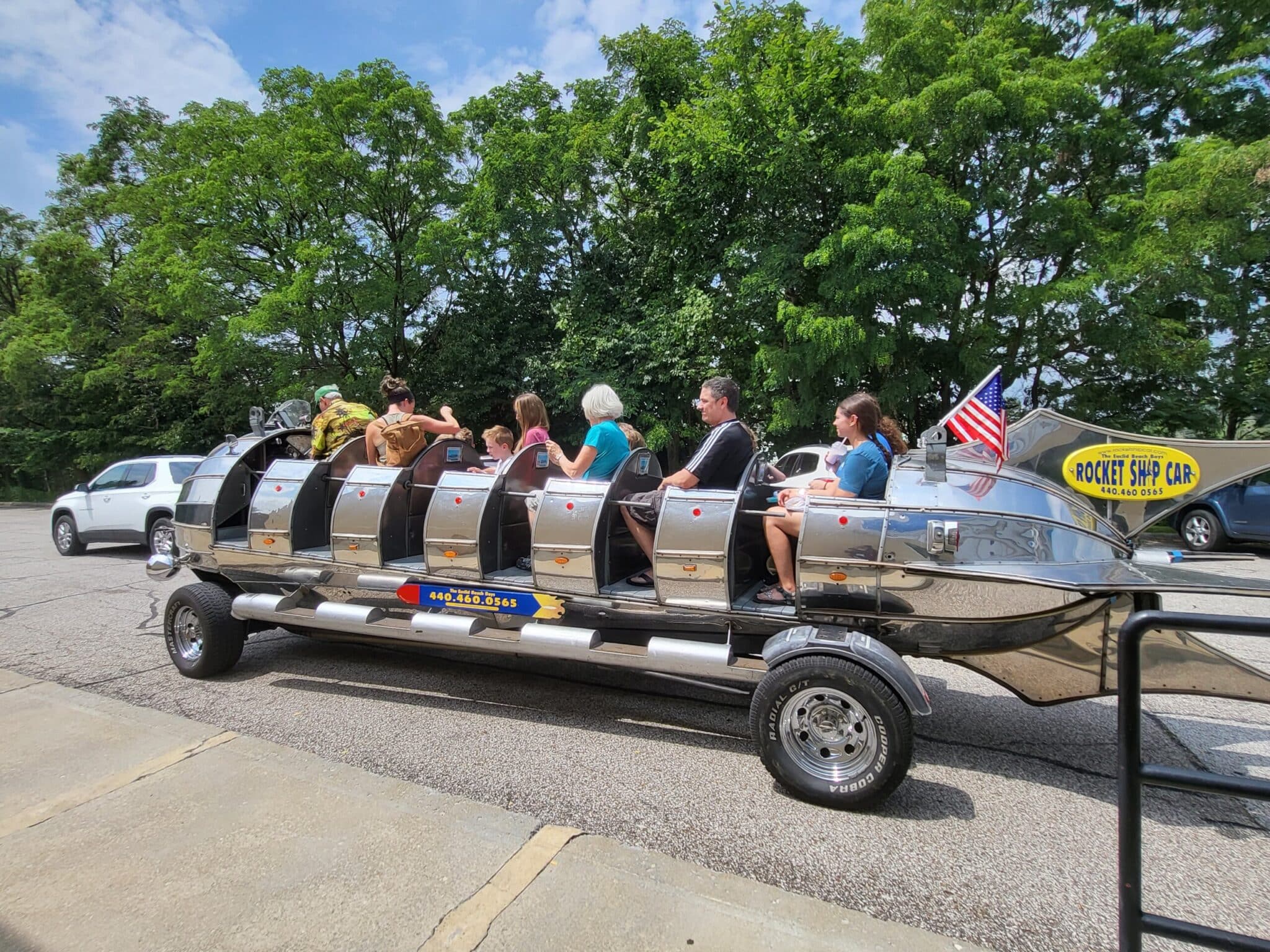
Gilded in shiny silver chrome with American flags fluttering from its end, the Euclid Beach Boy’s Rocket Ship Car looked like something out of a 70s sci-fi flick as it traversed the streets of Chester Township July 20.
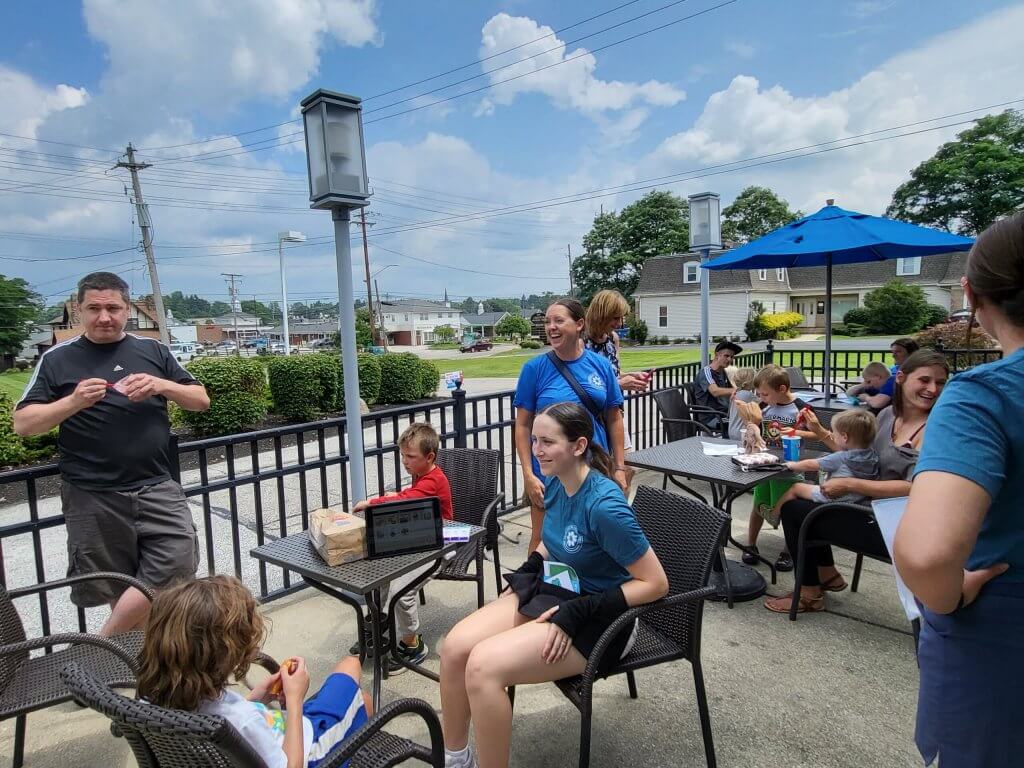
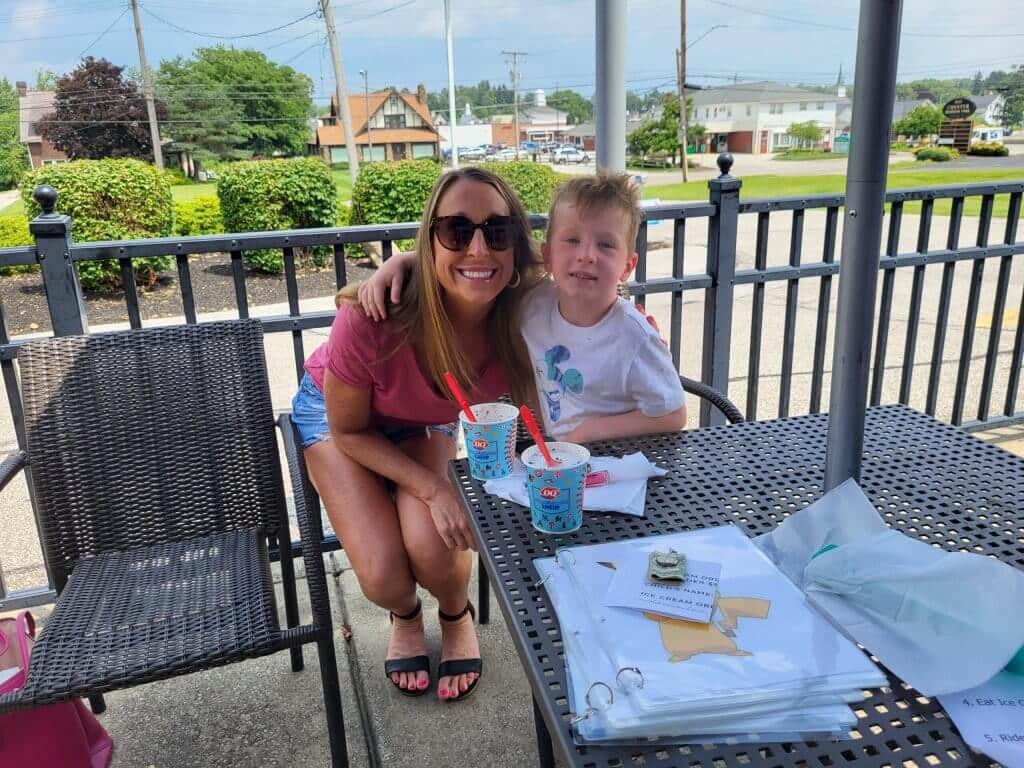
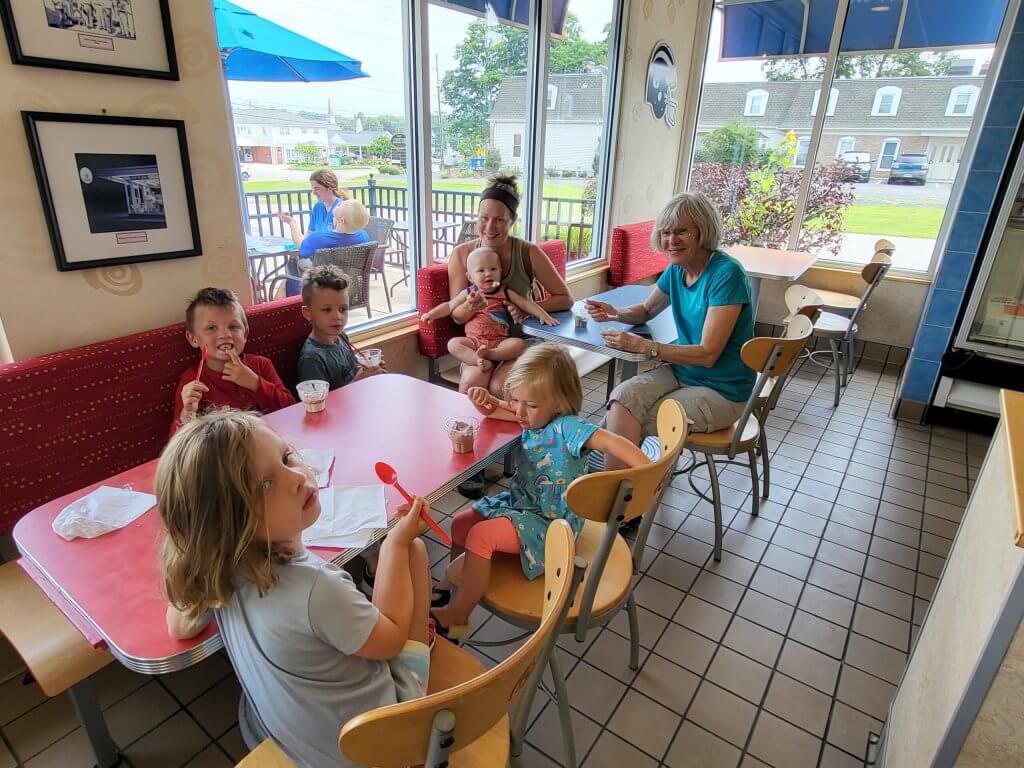
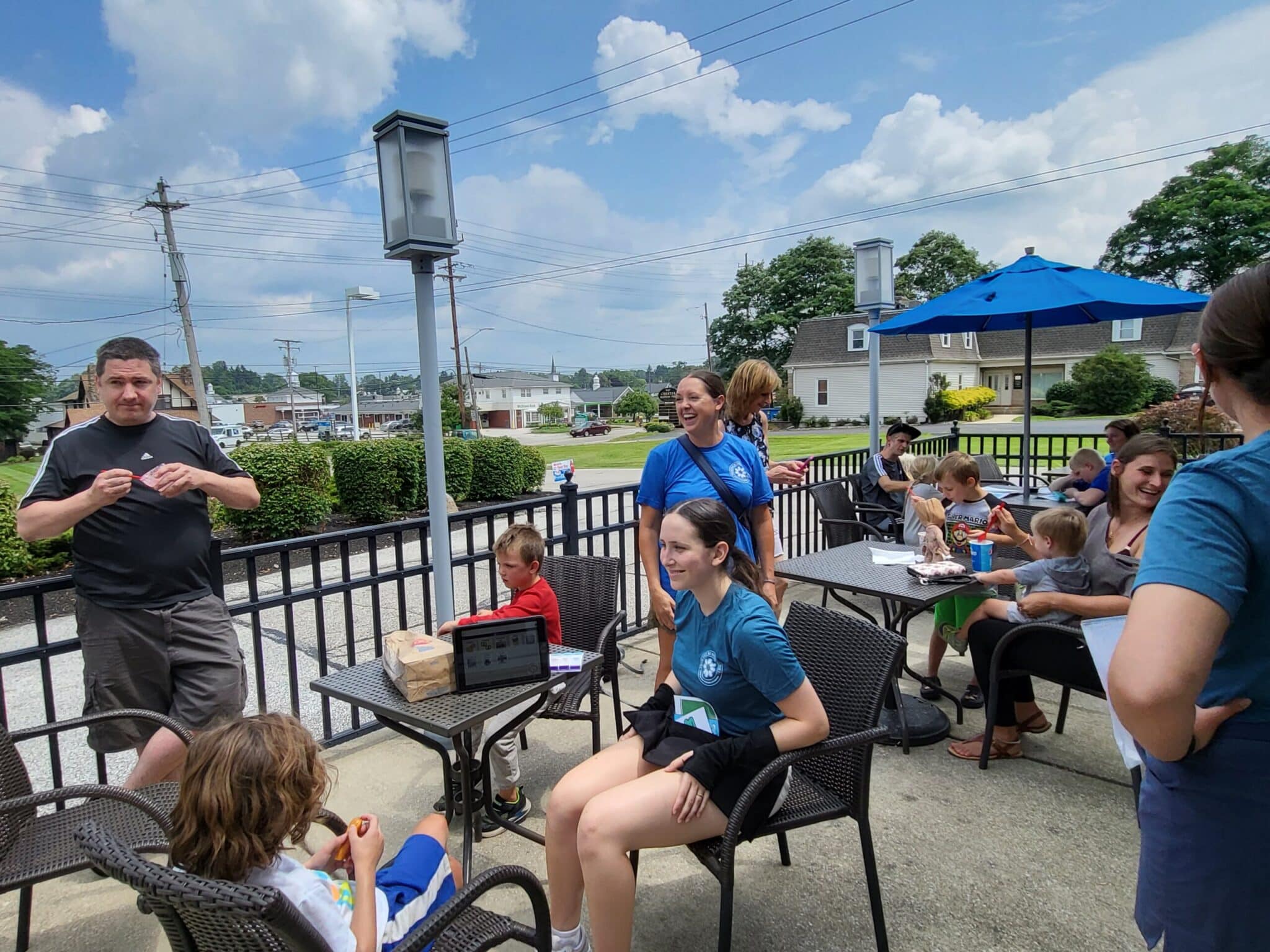
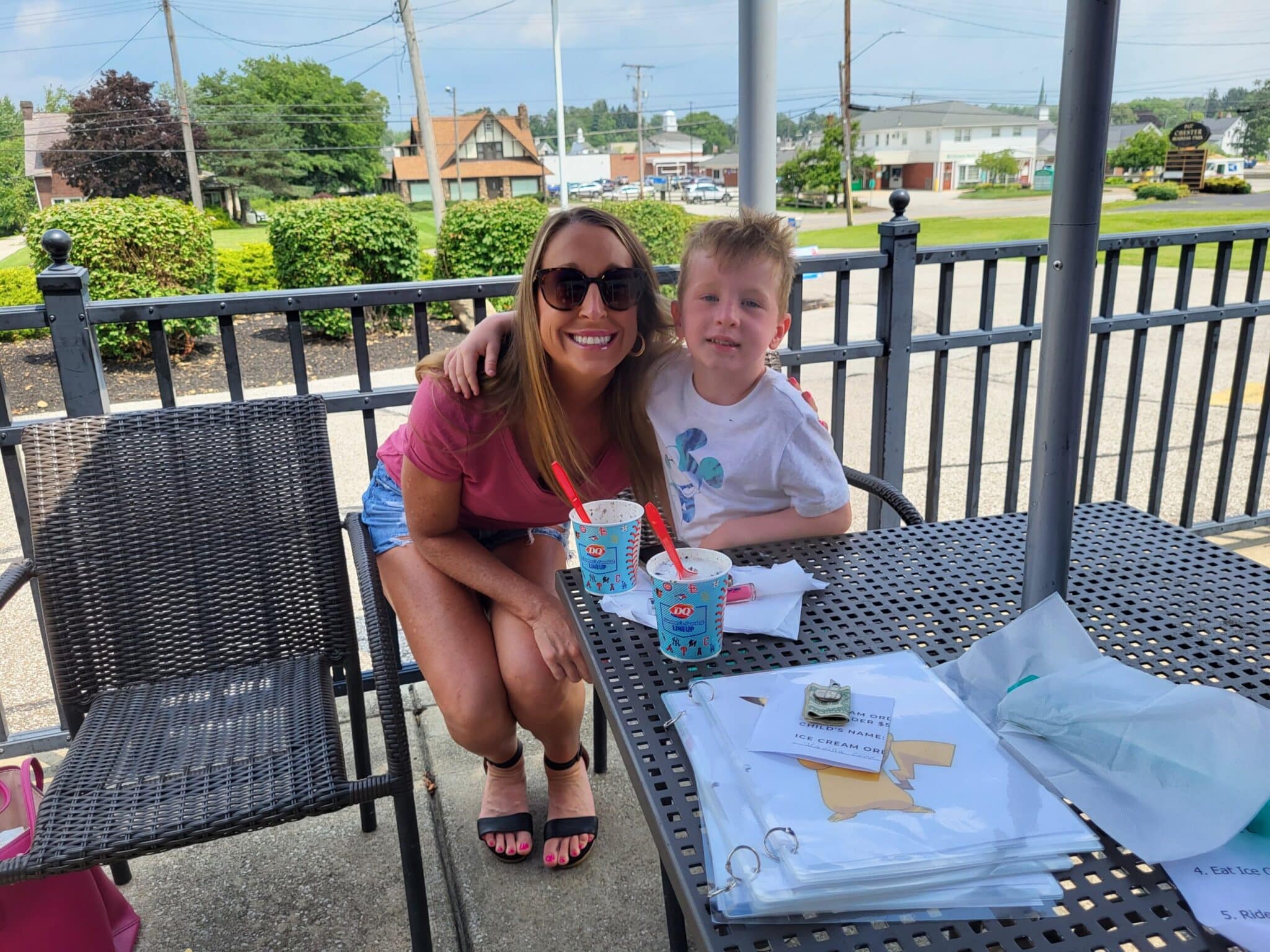
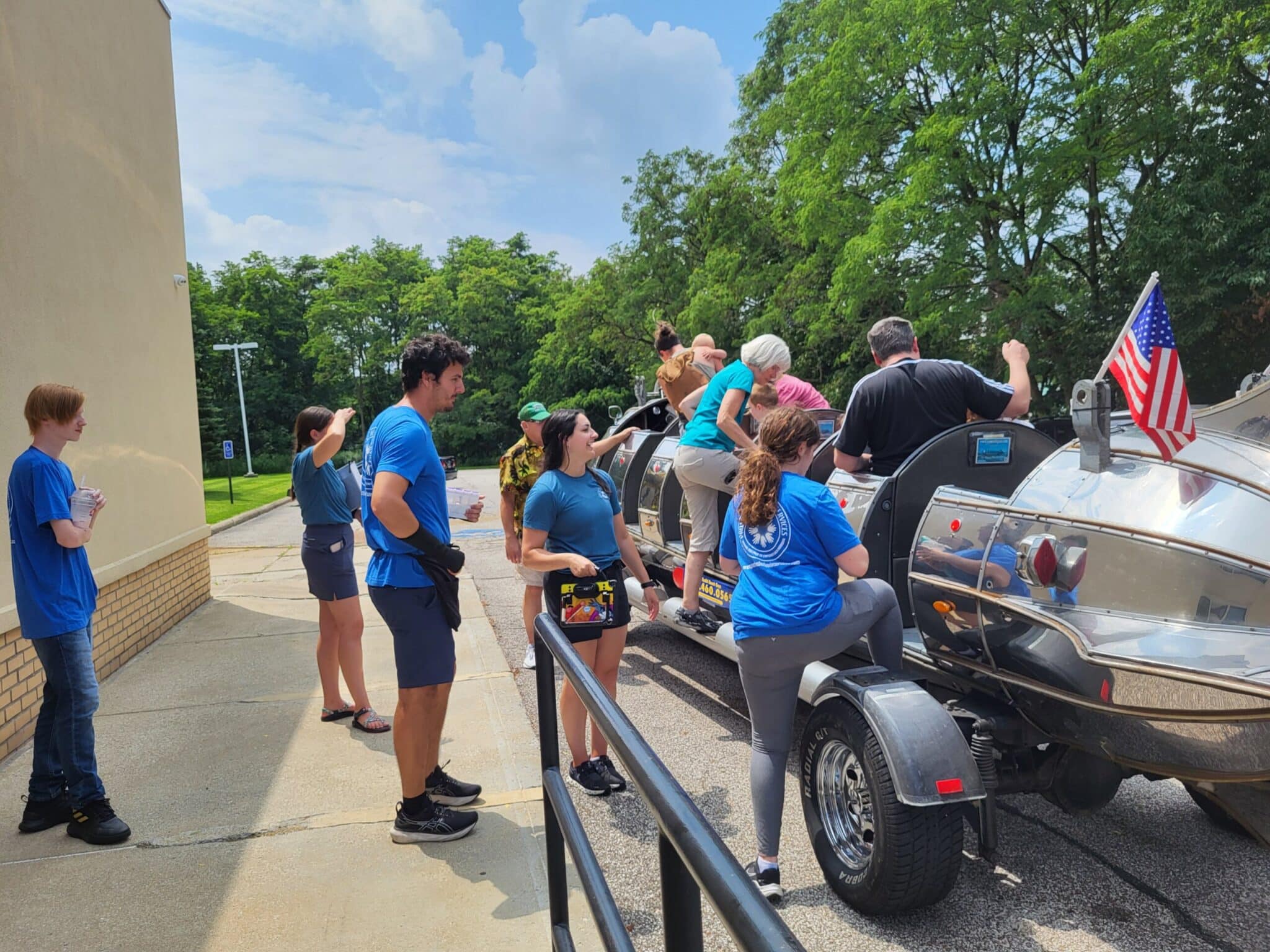
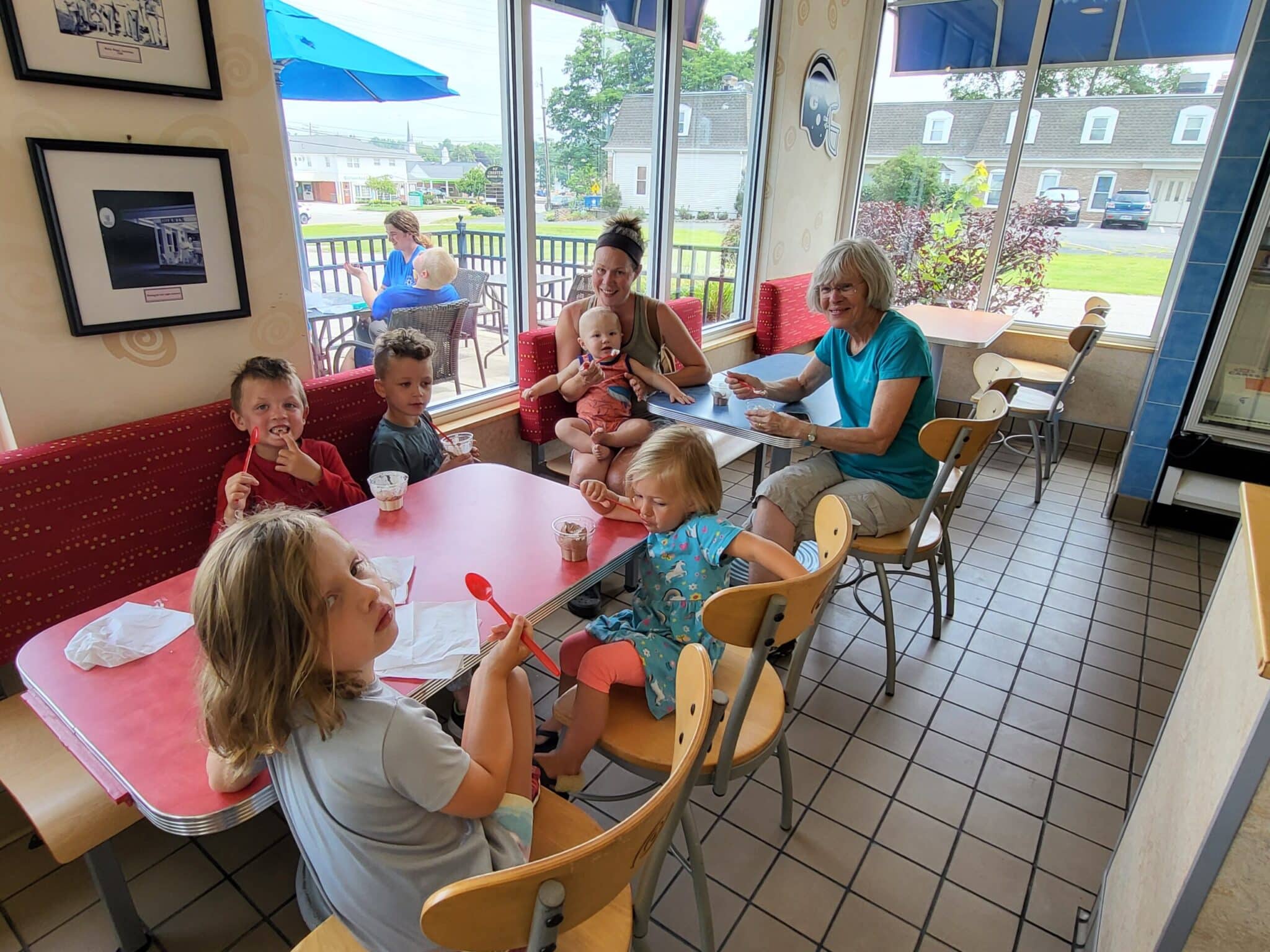
The car had been chartered by Proactive Behavior Services and was ferrying staff, students and their families from their clinic on 12573 Chillicothe Road to the Chester Dairy Queen for a fun day out.
“We really think it’s important for kids to have normalized community-based experiences,” PBS founder Dr. Leah Gongola said of the event.
Gongola previously worked with the Rocket Ship Car for 11 years while running Camp Sunshine in Aurora. This was the first time she brought the event to Chester Township, she said, adding Rocket Ship Car owner Joe Tomaro is good at working with children with disabilities.
“He has a really good understanding of disability awareness,” Gongola said. “His daughter is a special (education) teacher and so when he comes, he knows what to say and the ways that he can support kids to actually get on the rocket ship and have a really good time.”
While Proactive was founded in 2008, the clinic in Chester opened its doors in September of last year and aims to provide applied behavior analysis services to children with autism and behavioral disorders in the local community.
“We have kids who come to us who work on a lot of things like adaptive living skills, we’ve got kids, instead of going to their school district, they come to us and move up (to) their school district and then a lot of entrance-based clients,” Gongola said, adding Proactive serves a varied age demographic, with their youngest client being 2 up to age 22. Times can vary from 10-30 hours per week of intensive services to learn skills.

“Our family strongly values the importance of … family and community involvement in the school and we’re really excited that Proactive embraces that our child, you know, has great relationships with family and friends, peers in the community, and also has those experiences outside of school,” said Dawn Fleming, whose son is a part of PBS and joined for the Rocket Car event. “For most parents at Proactive, quality of life is huge. So having these moments is amazing for us. It’s a new facility, but that is definitely part of their development plan, is to continue to build in these community outings very frequently.”
Fleming added, “As the parent of a child with a pretty significant disability, we’re always not seeing milestones, right? So, I know most parents look forward to celebrating all these milestones with their kids and it’s really like, oh, he didn’t meet it, he didn’t meet it. But then, we do. It makes these kinds of outings that much more important to us. Because like, this is kind of an amazing event milestone my child was able to interact, to go on a rocket ship, to do those kinds of things.
“Typical kids get to do this stuff every day,” she continued. “It’s so hard for our kids to do this. We just really appreciate the time and effort they put into that.”
PBS looks at each client individually when formulating treatment plans, Gongola said.
“We do an assessment for each of them, really age dependent, skill dependent and then based on where they are, we start differing treatment goals in place for them and build in interventions to help them learn their skills,” she explained, adding the process can sometimes involve going to a client’s home and learning to decrease harmful behaviors.
“The goal is always to get kids back into their typical school district, or prepare them for kindergarten in a regular school district,” she said.
Gongola founded Proactive while she was an associate professor at Youngstown State University in order to respond to the needs of the community.
“I kept getting phone calls from other school districts or families really talking about — they had some kids with some pretty significant challenging behavior where their kid wasn’t making it in a public school special ed classroom,” Gongola said, recalling how she would often go to these families’ homes in the early morning in order to help them get their children to school.
“We really saw it as a need in our local community,” she said.
Gongola’s advice for anyone considering ABA for their child is two pronged — look at the values of the agency a family is considering and make sure it matches with their own, and look for other community resources such as parent groups.
“Other parents can really provide some sound advice, you know, if they’ve already been through maybe an initial diagnosis of autism and maybe worked with a couple of other ABA agencies,” Gongola said, emphasizing the ever-evolving nature of ABA.
“When it first came about in the 1980s, it was really people trying to figure out how to integrate those interventions for individuals with disabilities,” she said. “Now, we’re at a place and time where we have really effective, really efficient, powerful reinforcement-based interventions.” Gongola added modern techniques are meant to help kids build skills in a supportive way.
“It’s a really great way to provide strong intervention for kids that gives them access to their communities,” she said.


