


A 9,400-square-foot expansion to Geauga County Humane Society's Rescue Village might lead some to think, "Oh, more room for animals."But the real expansion is happening behind…
A 9,400-square-foot expansion to Geauga County Humane Society’s Rescue Village might lead some to think, “Oh, more room for animals.”
But the real expansion is happening behind the scenes, where, unbeknownst to many, shelter staff have crammed, compromised and even had to turn down some rescues due to overcrowding and a building blueprint that is bursting at the seams.
“We are taking the shelter and agency to a whole new level,” said Executive Director Hope Brustein.
Expansion Needs
Brustein said back in 2000, when Rescue Village was being built, shelter medicine was not a speciality in their industry.
“Today, there is a speciality within veterinary medicine that focuses on the treatment and care … of shelter animals,” she explained, adding this shift in the industry has resulted in the need for more services and, by proxy, more room.
Case in point, the building’s electrical room — a small, crammed area that also serves as a storage room, a kitten intake room and the office of the staff cat behaviorist, Wendy Grellinger.
It also has no air exchange, Brustein said.
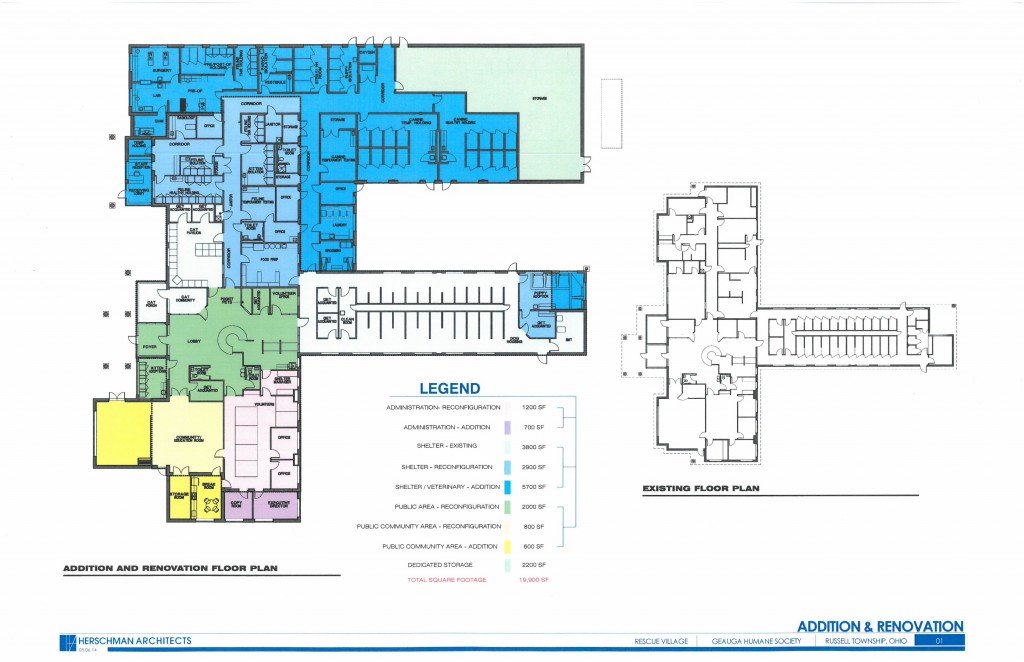
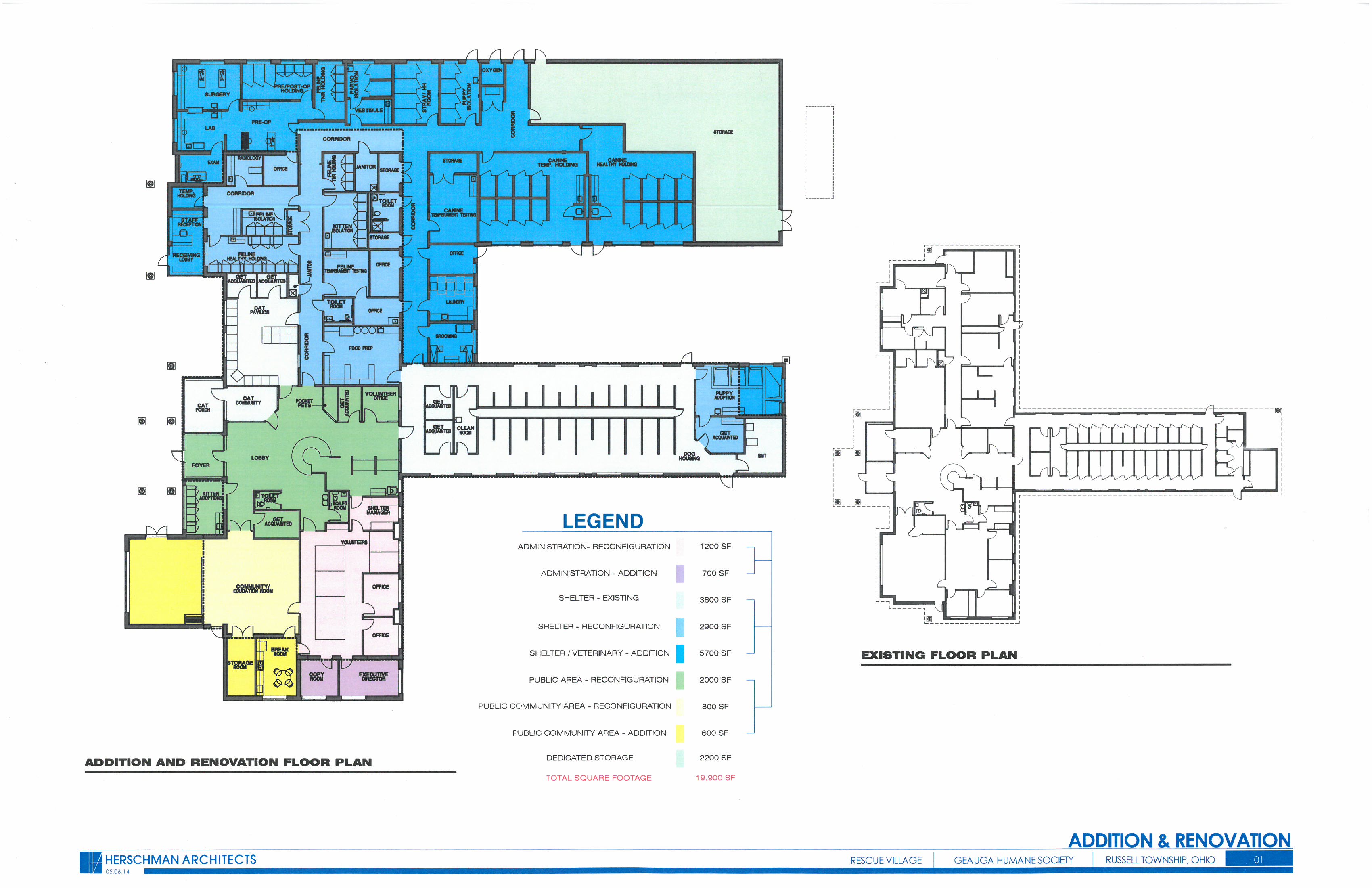
The $2.3 million building project, expected to break ground in August, will provide larger clinical space for more low cost spay and neuter services, will increase dog intake kennels from eight to 24 — so more dogs are available for adoption — will provide new kitten and puppy isolation and adoptions spaces, and will allow treatment of animals with behavior or medical issues, Brustein said.
“It’s gonna have the same heart, the same high quality of care, but we’ll be able to build new layers of programs and services for the people in Northeast Ohio,” she said. “We’re known for medical care, behavior intervention. We’ll be bigger, but we’ll still know the name of every animal in here.”
The entire campaign amounts to $3 million, $2.3 for the actual physical expansion and $700,000 needed to address projected increased operating expenses as other sources of revenue are increased during the first three years after expansion, Brustein explained.
So far, the humane society has collected $2.56 million.
While the humane society serves the county, it is funded privately and, therefore, does not receive any government funding, Brustein said.
“When people get involved in the campaign, they can make a huge difference with every gift they give. No gift is too small or large,” she said, adding people can also help by volunteering at humane society events or help at the shelter with dog walks and other needs.
In addition to more room for dog intakes and behind-the-scenes services, the new floor plan also includes:
• a separate animal intake entrance to ensure privacy
• adoption space for pocket pets
• almost double the community education space
• expanded veterinary clinic
• dedicated temperament testing rooms
• enhanced behavior enrichment program areas
• more get acquainted rooms
• a larger nutrition and laundry center
• improved grooming and bathing facilities
“This is a dream, but the dream is based on actual need … to save more lives,” Brustein said. “We’ve learned so much based on the successes of all of the people who built this shelter. We will be able to serve (the community in ways)?we were not able to serve because of the limited space.”
The Feline Frenzy
Walking into the makeshift kitten adoption area — a small, slightly cramped room seen from the entrance of the shelter — Brustein explained how the poor air circulation will be a thing of the past as the kittens will have a larger room after the expansion, with air circulation and windows allowing natural light to flood in.
The improved grooming and bathing areas, the added air circulation and spaying and neutering capabilities will all help improve the overall quality of healthcare offered at the shelter, she said, adding there will also be separate rooms for potential adopters to get to know their adoptees a bit better.
“We can’t wait, we are so excited for that,” said adoption counselor Susan Walsh. “We’ll have a separate room to meet with them.”
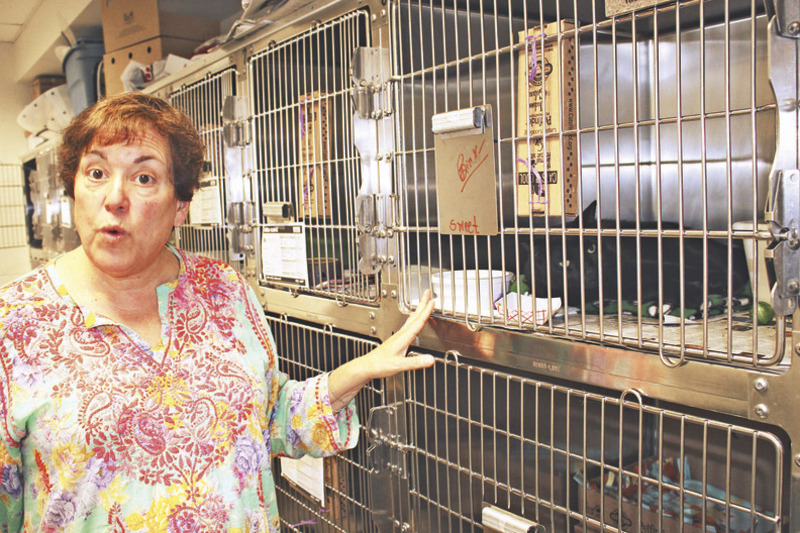
Adult felines will also benefit from larger, 30-inch-wide cages versus their current 24-inch-wide cages, Brustein said.
“Those extra six inches will allow the cats to exhibit more natural behavior … like stretch out, put more distance be-tween them and their litter boxes,” she said. “In 2000, (the 24-inch-wide cages) were considered state of the art. So much has been learned since then.”
All these improve-ments will help “reduce the amount of time it takes between when an animal gets here and when it goes to a forever home,” Brustein said.
Surgery and Treatment
Heading back into the exam room with one table, which doubles as an office, it’s easy to see why staff is currently limited in what they can offer.
The expansion will provide room for a second exam table, a larger surgery suite, a radiology room for X-rays — animals are currently taken off site for X-rays — an office for the medical staff and the capacity to work with more animals medically.
“We’re going from success to an even higher level of standards and also the number of animals we can serve,” Brustein said. “We want the people of this county to know what we offer. They probably don’t know what we have.”
One example is the humane agents, which are officers of the law, but are also wells of information and education for people who might be struggling to care for their pets or are feeling a bit in over their heads, Brustein said.
Less No, More Yes
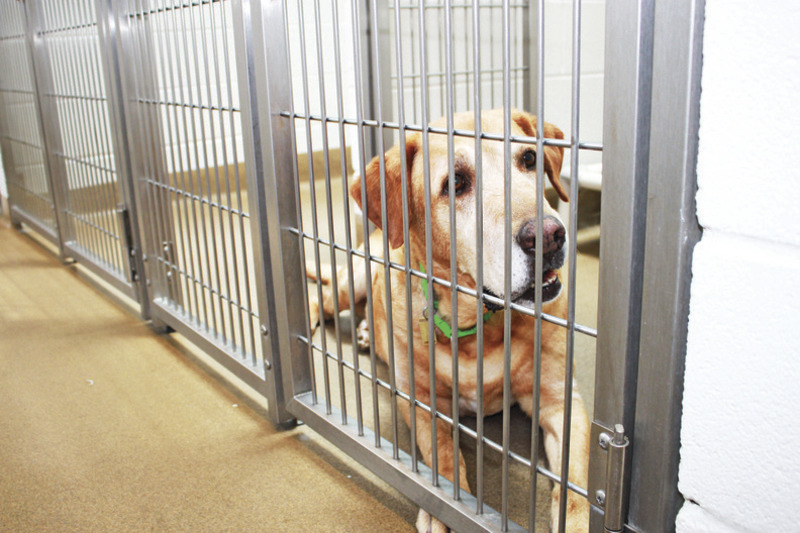
Rescue Village has even had to turn down a few surrenders due to congested space, said Ed Pashkin, shelter operations manager.
“Especially when it comes to dogs. Often we get calls from people in fairly emergency situations. If dogs don’t have a vaccination history and we don’t have any isolation space for the dogs, we often have to turn them down or see if they can explore other options,” he said.
He explained the shelter can’t take the chance of putting the current animal population at risk by exposing them to any possible viruses or contagious conditions, such as kennel cough.
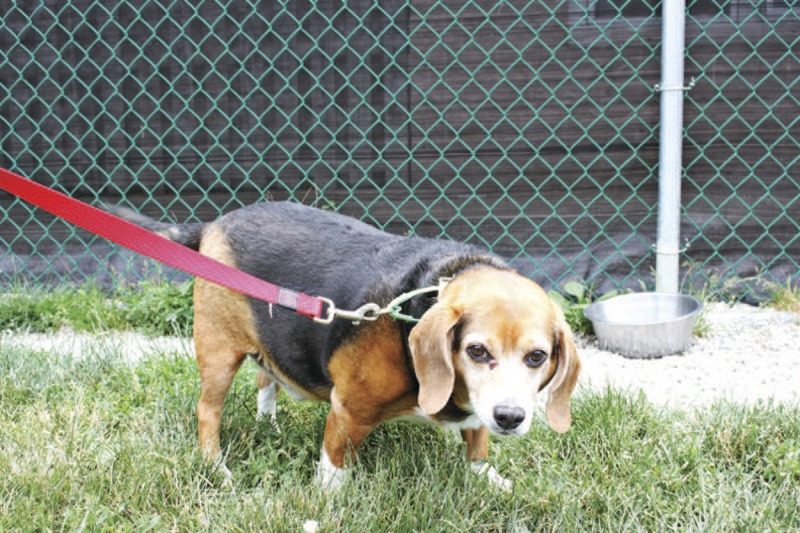
Right now, the humane society has a “delayed intake program,” which means people can bring the animals they want to surrender in for vaccinations, but then have to take them back for two weeks before they are safe to surrender and integrate with the rest of the population, he said.
Pashkin said the expansion will help keep a continuous flow of dogs up for adoption in the shelter.
When Rescue Village has a big adoption weekend, they often adopt out most of their dogs and have a lot of empty spots afterward, he explained.
“We’ll have a constant supply of dogs … a lot more dogs ready to go out on the floor,” he said.
The bigger facility will also enable Rescue Village to work with more local and regional shelters and partners to take transfers of animals, Pashkin said.
“Lots of times, the shelter we’re taking from is open admission,” he said, adding they’re publicly funded and are, therefore, required to take in animals on the spot, regardless of age, breed, medical history or overcrowding.
Rescue Village is “limited admission.” It has to first, have the space available for the animal, and secondly, the animals have to be current on their vaccinations and be behaviorially healthy before they can take them in and put them out on the adoption floor, Pashkin explained.
With the expansion, he said there will be more room for isolation so they can take more animal transfers as well as owner surrenders and treat them before putting them in with the general population.
As for felines — perhaps the more challenging adoptees due to the frequency of cat hoarders — the shelter will have more options when seizing large numbers of cats.
“It’s affected us by having to use our common room to house cats,” he said, adding they’ve also had crates lined up and down their halls with 70 to 100 cats at a time.
A Vision Becomes Reality
The dream of expanding first came to fruition in 2008. In October of that year, the economy tanked, putting the project on the backburner, Brustein said.
In 2010, the humane society decided it was time to conduct a feasibility study and needs assessment to figure out how urgent the needs were.
“The key needs were on the back end … the intake, clinics, isolation, temperament, offices, kittens, puppies, adoption areas,” Brustein said, adding the current adoption space is “counterintuitive.”
“The staff was essential in putting together the needs assessment,” Brustein said, adding the big question was, would the community support the project?
“It was a resounding yes,” she said.
In June 2013, the campaign launched and 80 percent of the project cost was raised in 12 months, “which is a testament to the community,” the director said.
The capital campaign will continue until Dec. 31 of this year, she said, adding all of the money goes toward the physical expansion as well as supporting it in its first few years and helping keeping it in operation during the actual construction.
“We are still open for business during this expansion,” said Megan Volpe, director of veterinary services, adding it might look a little chaotic, but they will be running the shelter as usual, especially given the needs of the community.
“For the people of our county, this is their shelter. We have a wonderful dog warden, but we are the only place for people to bring cats,” Brustein added. “We offer a gamut of programs. This is the hub, but we also do outreach.”
Volpe said the associate architect, Bacon Group, Inc. Architecture from Clearwater, Fla., specializes in animal shelters.
The lead architect, Herschman Architects of Cleveland, is working in tandem with Bacon, Brustein said.
“We are happy to be working with so much talent,” she added.
Both Brustein and Volpe agreed Rescue Village has been a “very progressive shelter.”
“I think it’s a shelter this county can be very proud to say is their society,” Brustein added.
Donations can be made online at www.rvcampaign.org. To discuss naming opportunities and other ways to support the project, contact Leslie Bednar, campaign associate, at 440-338-4819, ext. 50 or at lbednar@geaugahumane.org.


