After Lyme disease cases doubled in 2025, Geauga Public Health is urging residents to take precautions as tick activity increases across the region.
After Lyme disease cases doubled in 2025, Geauga Public Health is urging residents to take precautions as tick activity increases across the region.
While GPH does not directly track tick populations, officials monitor cases of Lyme disease — an infection transmitted from ticks — as an indicator, said Director of Environmental Health Dan Lark.
Confirmed Lyme disease cases rose sharply in 2025, with 33 cases reported in Geauga County, up from 13 in 2024, according to GPH data.
“Geauga averages around seven or eight cases a year,” Lark said.
There have been no confirmed Lyme disease cases so far in 2026, according to GPH.
No cases of anaplasmosis, another tick-borne illness, have been confirmed in Geauga County since 2023, according to GPH data.
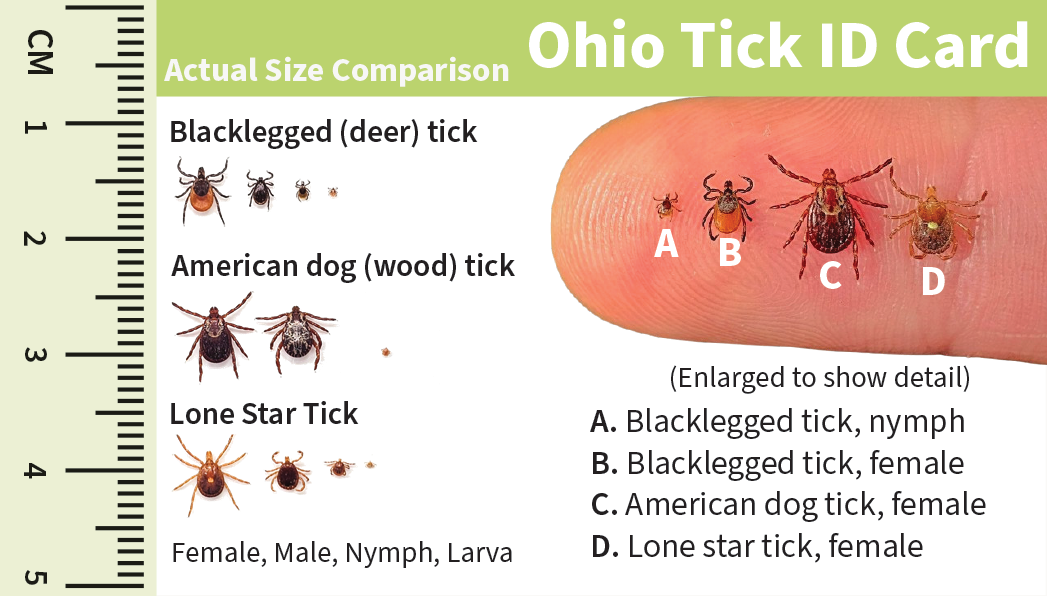
GPH primarily sees black-legged ticks, also known as deer ticks, Lark said. He added the Asian longhorn tick has been spreading through Southern Ohio, but has not been reported in Geauga County.
Lyme disease cases in Ohio typically peak between June, July and August, according to the Ohio Department of Health.
“Anybody who’s really outside (poses a higher risk for ticks),” Lark said, including children, people working outdoors and pet owners.
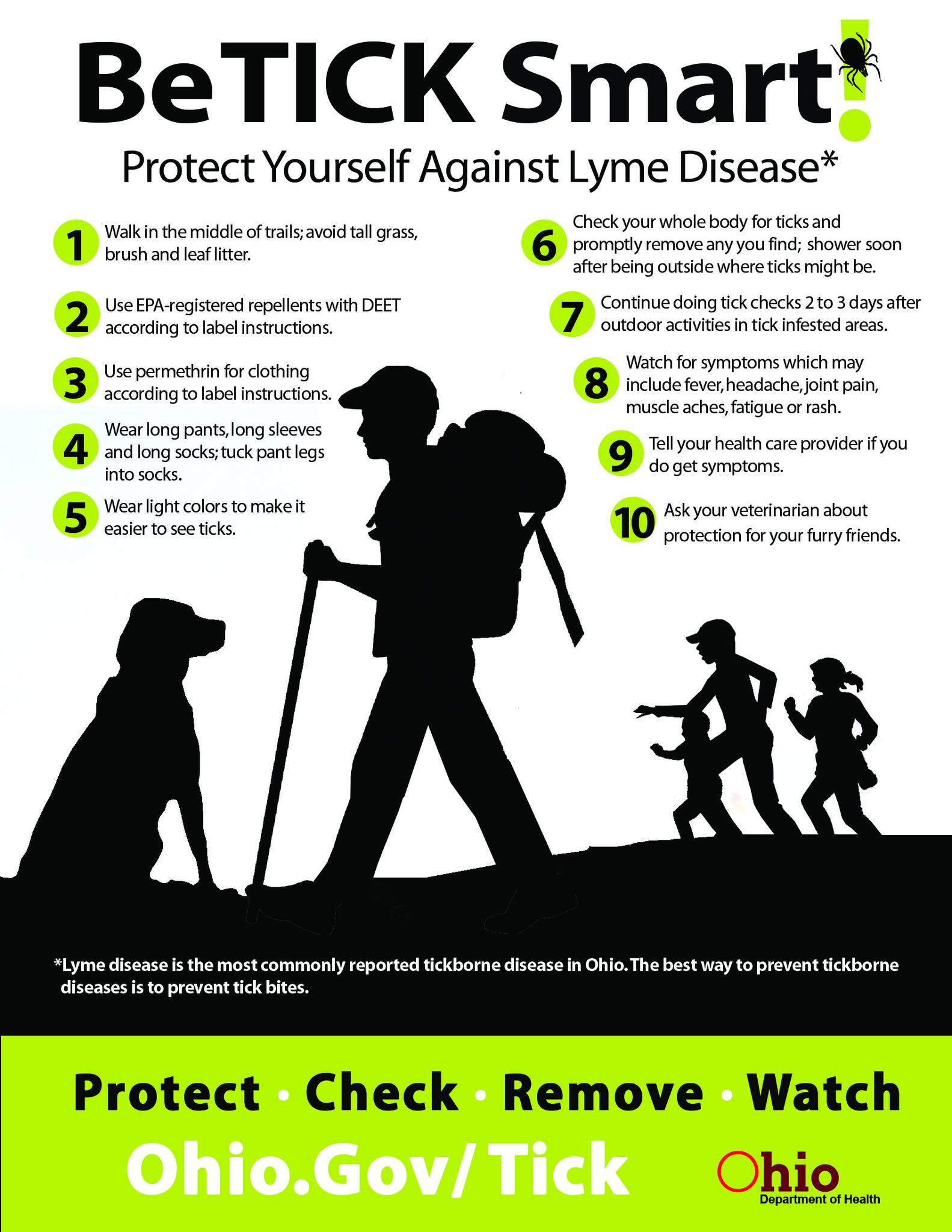
Lark offered several prevention tips, including wearing long pants and long sleeves and using permethrin-based repellent.
“If you have a field, if you’re able to keep it mowed, that helps because they like to hang on the tall grass and then kind of jump on people or animals as they walk by,” Lark added.
Geauga Park District Naturalist Andy Avram said staying out of long grass and brushy areas and on trails could help, as well.
He emphasized the use of permethrin repellent, which can be sprayed onto clothing, and said bug spray can help, as well.
If a tick is found on the body, Lark recommends removing it with tweezers.

“Grab the tick as close to the skin as possible and just slowly pull up.” Lark said. “Don’t jerk it out or try to twist it out because then you might kind of break the tick in half. Then you want to clean the area with soap and water, sanitizer or rubbing alcohol.”
He also recommends people check themselves and their pets after spending time outdoors.
Avram said it takes up to 48 hours for a tick to transmit diseases, so consistently checking for them is key.
“The best thing to do is go home, strip your clothes off, take a shower and do a thorough tick check using a trusted partner or mirrors even because they get into places that sometimes you can’t see on your own,” Avram said.
Geauga County Dog Warden Matt Granito also encouraged pet owners to take precautions ahead of peak tick season.
“If you take your dog out for a walk, probably the most important thing is to brush your dog,” Granito said. “If it’s a long coat dog, look through the hair of the dog, look up by the ears, anywhere a tick can attach to a dog and it can attach anywhere in between the toes of the dogs.”
He suggested pet owners check animals regularly during the summer.
“You should check your dog every time your dog goes out, or at least once daily, in this period of time,” Granito said. “Check your dogs once daily and check yourself daily.”
If a tick is found on an animal, Granito recommends using tweezers or a specialized tick-removal tool.
“(Pull the tick straight out) to make sure that the head doesn’t stay in there because with the head staying in there, it could cause infection,” Granito said.
To help prevent ticks, he suggested flea and tick medication for pets and treating yards with tick-control spray.
“That goes for cats, too. Cats can get the ticks, too,” Granito said.
He also warned residents to watch for the Lone Star tick, which has a distinctive white spot and has not yet been reported in Geauga County.
As peak tick season approaches, officials said staying vigilant and taking simple precautions can go a long way in reducing the risk of bites and disease.