



On the heels of extremely cold temperatures, area experts are reminding dog-owners the harshness of winter can be “ruff” on their pup’s paws.
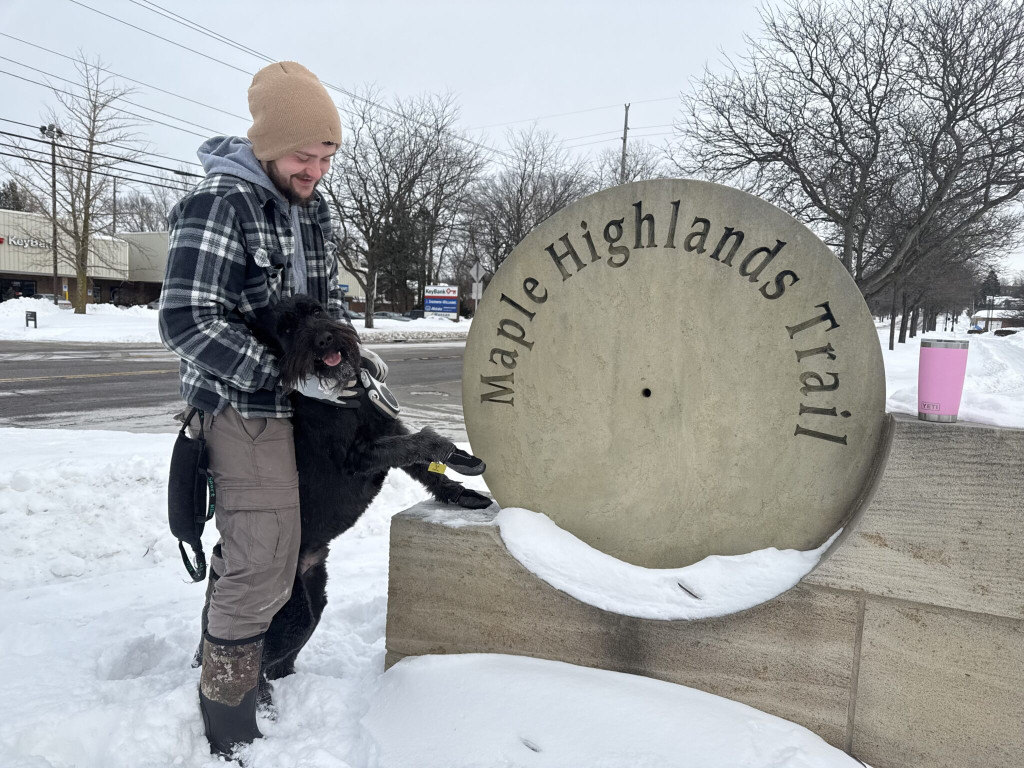
On the heels of extremely cold temperatures, area experts are reminding dog-owners the harshness of winter can be “ruff” on their pup’s paws.
When temperatures dip and snow and ice cover neighborhood roads and sidewalks, dog-owners may want to consider dog boots for extra protection, said Alexandra Van de Motter, a small animal veterinarian who recently joined the Chagrin Valley Animal Clinic team in Bainbridge Township.
“My love for the outdoors has always been a big part of my life, and I’m an avid mountain biker, hiker and skier,” said Van de Motter, who grew up on the West Coast, spending the past 20 years in Montana and Colorado before relocating to Ohio. “My two dogs, Alan and Doug, are always by my side as we explore the trails.”
Anatomy of a Dog
“The anatomy of a dog’s foot, specifically the paw, is well-adapted to handle a variety of environmental conditions, including cold weather,” Van de Motter said. “Unlike humans, who rely heavily on external protection like boots in cold environments, dogs have evolved specific physiological features that help them cope with chilly conditions, particularly in their paws. One of the most fascinating mechanisms in canine anatomy is countercurrent heat exchange.”
This process helps prevent heat loss in cold environments and is particularly effective in the paws, where a dog may be exposed to cold surfaces such as snow, ice or frozen ground, she said, explaining in a dog’s paw, arteries that carry warm blood to the foot run alongside veins that carry cooler blood back from the foot to the body.
As warm blood flows toward the paw and cooler blood flows back toward the body, heat transfers from the artery to the vein, warming the returning blood before it reaches the heart, she said.
This helps to maintain the body’s core temperature and reduces the amount of heat lost in the paws, Van de Motter added.
“Alongside countercurrent heat exchange, arteriovenous anastomoses further enhance a dog’s ability to stay warm in cold weather, especially in the paws,” she said. “AVAS are specialized blood vessels that allow for direct connections between arteries and veins, bypassing the capillaries in between.”
This mechanism is key to how dogs regulate blood flow to their extremities, particularly in colder temperatures, she added.
While dogs are generally well-equipped for cold weather, there are times when boots may be helpful, Van de Motter said.
Salt and chemical exposure, especially in urban or heavily-salted areas, is one such incident where boots can protect paws from ice-melting agents that can cause irritation or injury, she said.
In very cold climates or during extended outdoor activities in subzero temperatures, dogs with less fur or smaller paw pads may benefit from additional protection to prevent frostbite or discomfort, she said, also recommending boots on rocky terrain where injuries are more likely to occur.
“Boots, whether it’s to protect their paws from the cold, rough terrain, or chemicals are important,” she said.

Studies Show Boots’ Benefits
A 2016 study on hypothermia and frostbite in dogs in the Journal of the American Veterinary Medical Association concluded dogs with limited body fat, short coats or poor circulation are at a higher risk of frostbite, particularly in their paws.
Boots can help prevent frostbite by insulating the paws and keeping the surface of the pads warm, even in extreme cold, the study said.
A 2019 study in the Journal of Small Animal Practice highlighted the increasing number of cases of paw-pad injuries, particularly in active working dogs and dogs participating in outdoor activities.
It found injuries to the paw pads from rough terrain or extreme temperatures could be significantly reduced with the use of protective boots that provide a barrier against abrasions, cuts and blisters, allowing dogs to remain comfortable and active for longer periods.
Dogs with diabetes, in particular, are at risk of impaired circulation that could make extremities more vulnerable to frostbite in cold weather, according to a 2017 study in the Journal of Veterinary Internal Medicine. The study recommended the use of boots to protect these dogs from cold-induced injuries, emphasizing they can help maintain paw health in dogs with compromised circulation or nerve function.

Adjusting to Footwear
For those interested in getting boots for their pup, it’s important to find the correct size, Van de Motter said.
Some brands also provide size recommendations based on the dog’s weight, she said.
Some boots also come with adjustable straps or Velcro closures, making them easy to slip on and take off.
Van de Motter said helping your dog adjust to wearing boots requires patience, positive reinforcement and gradual acclimation.
“By introducing boots slowly, rewarding good behavior and increasing the time your dog wears them, you can help them feel comfortable and confident wearing them,” she said, encouraging dog-owners to start by having their dog wear them while indoors.
Monitor your dog’s comfort and adjust the training process based on their reactions to ensure they have a positive experience with their new footwear, she said, adding soon enough, they should be ready for outdoor walks.
Pawsitive Alternatives
If your dog refuses to wear boots, there are other alternatives, such as Vaseline or Musher’s wax designed to coat paws and create a barrier against the harsh elements.
Danielle Moats, owner of Pet Wants for more than five years in Chardon and Madison Village, said they are always asked about the best means to protect our pets’ paws.
“It’s a great idea to wear doggie booties for long walks to protect the paws, but another great idea is to apply Pet Wants Paw Wax made with therapeutic essential oils,” Moats said.
Their signature Paw Wax needs to be applied liberally to paws before going outside in harsh weather conditions, extreme hot or cold temperatures, she said.
In addition to being that protective layer, it could also help heal cracked, burnt or injured paws, she added.
“If you are like me (and) have dogs that you cannot take on long walks, a great use for our Paw Wax is to provide moisture for their dry paw pads. My dogs love to lay right next to the heat registers and this can dry out their pads. Our Paw Wax gives them a means of hydration while softening them,” Moats said. “Also remember, that once we start turning our heat on, this could dry out our pets’ coats, which can cause dry, flaky and itchy skin. Consider adding some omega oils into their diet, which can help improve their skin and coat, like krill, salmon or other fish oils. For an environmentally-sustainable oil, consider algae oil.”
Moats also encouraged pet-owners to consider using a humidifier during cold nights, which is beneficial to both dogs and owners.


