


Master Commissioner Finds No Evidence of Wrongdoing
“I have never seen a judgment entry quite like this.” – Visiting Judge John Lohn
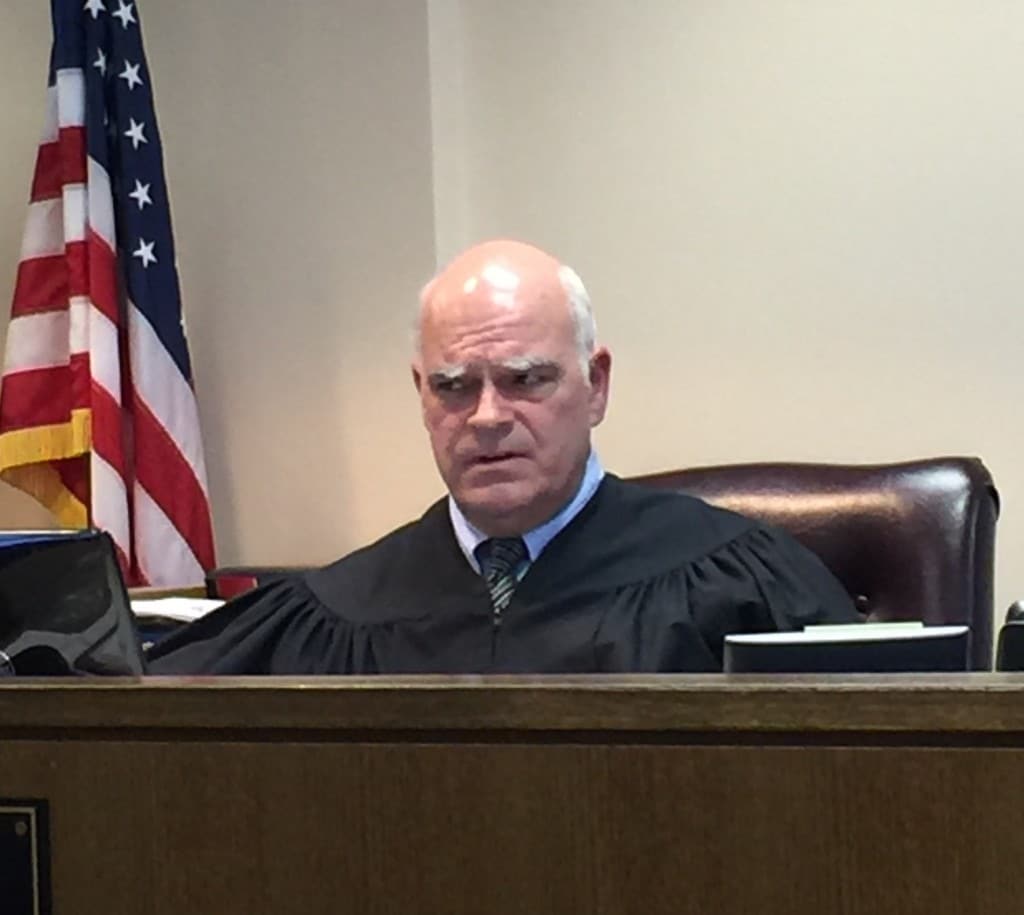
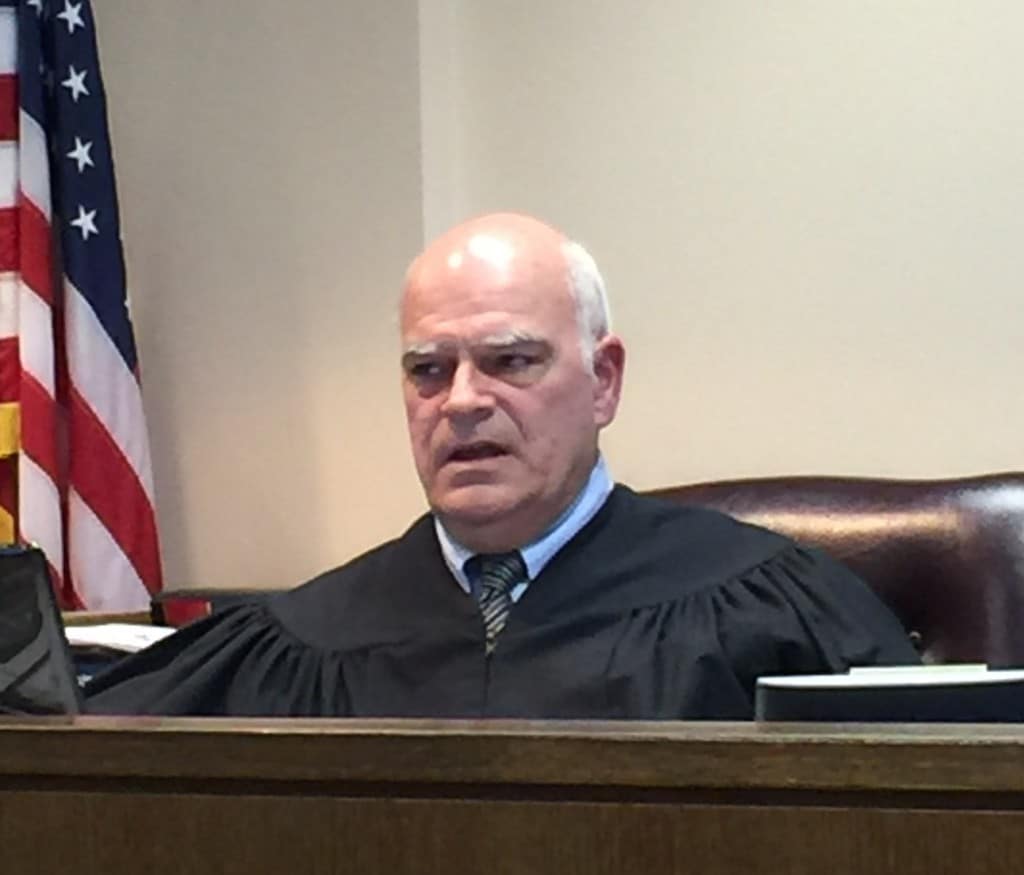
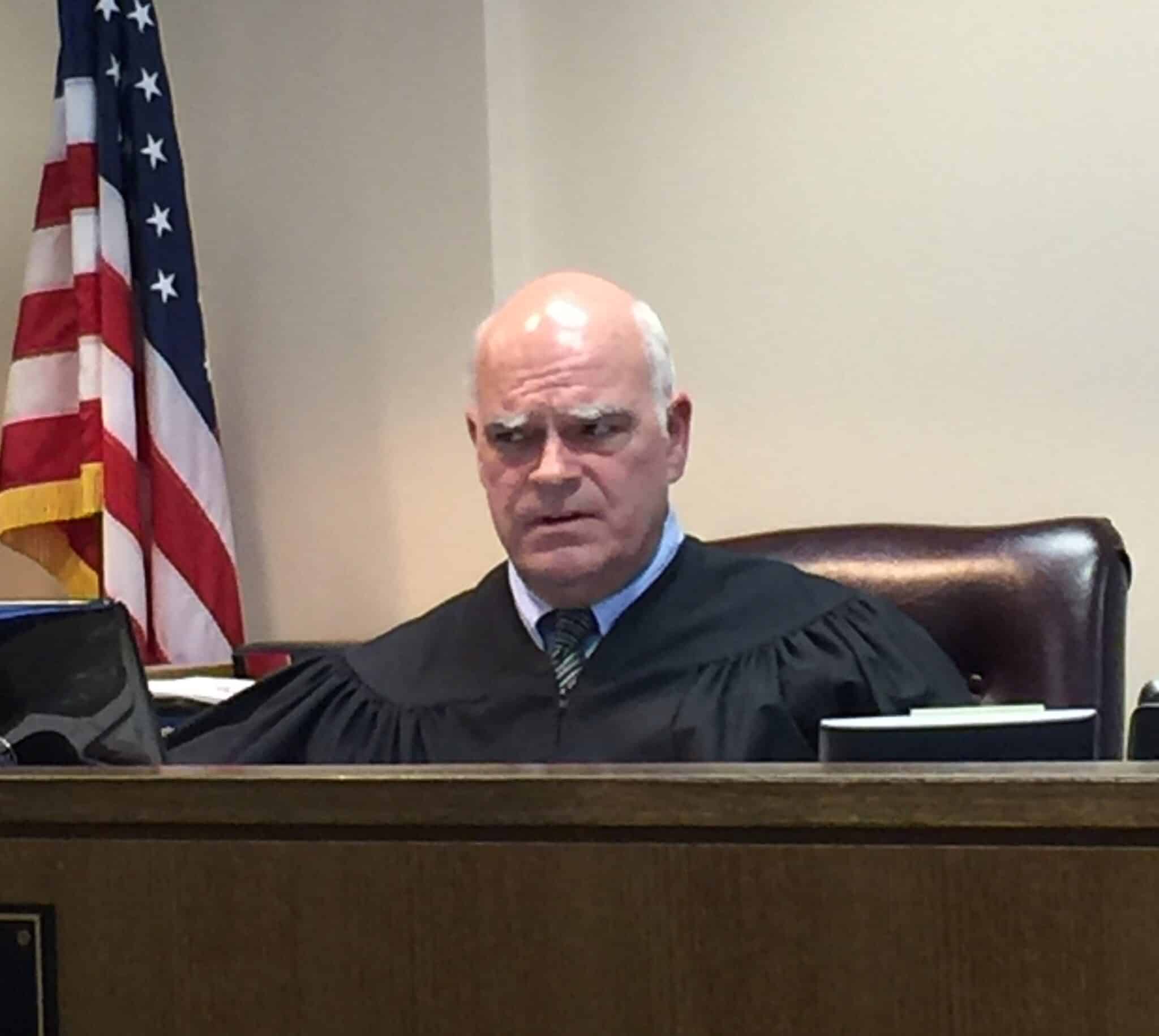
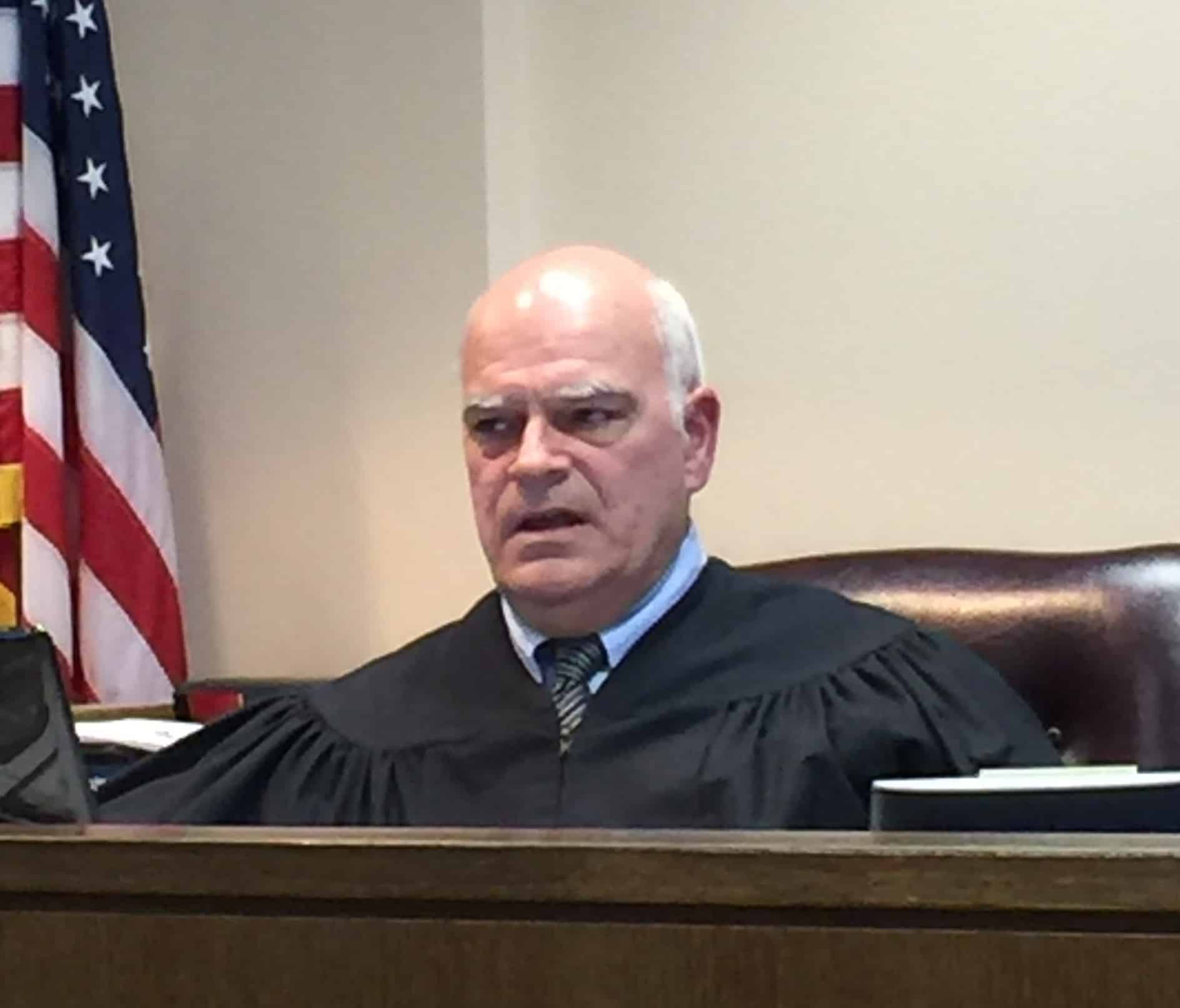
A visiting probate court judge halted an investigation into Chester Township Trustees’ decision not to sign a revised management agreement for the township’s Parkside Park.
Citing an April 2016 Ohio Supreme Court decision Geauga County Probate Court Judge Tim Grendell said gives him broad powers over park districts, he issued two judgment entries — on Sept. 16 and Sept. 22 — instructing previously-appointed Master Commissioner Mary Jane Trapp to investigate whether trustees broke any laws in voting, 2-1, Aug. 18 not to enter into a new agreement with the township park board and to terminate a current management agreement.
Grendell questioned whether trustees Ken Radtke and Mike Petruziello refused to sign the agreement because the Ohio Supreme Court had denied a township request to prohibit him from issuing a Nov. 26, 2014, order directing trustees and park commissioners, among other things, to negotiate a new management agreement.
The high court ruled the township had a right to appeal the order to the 11th District Court of Appeals and, therefore, denied prohibition.
In November, Ohio Supreme Court Chief Justice Maureen O’Connor appointed retired Medina County Probate Court Judge John Lohn to hear and review Trapp’s report after Radtke filed an affidavit asking O’Conner to remove Grendell from the case because of perceived bias, prejudice and partiality. Grendell eventually agreed to step down from the case.
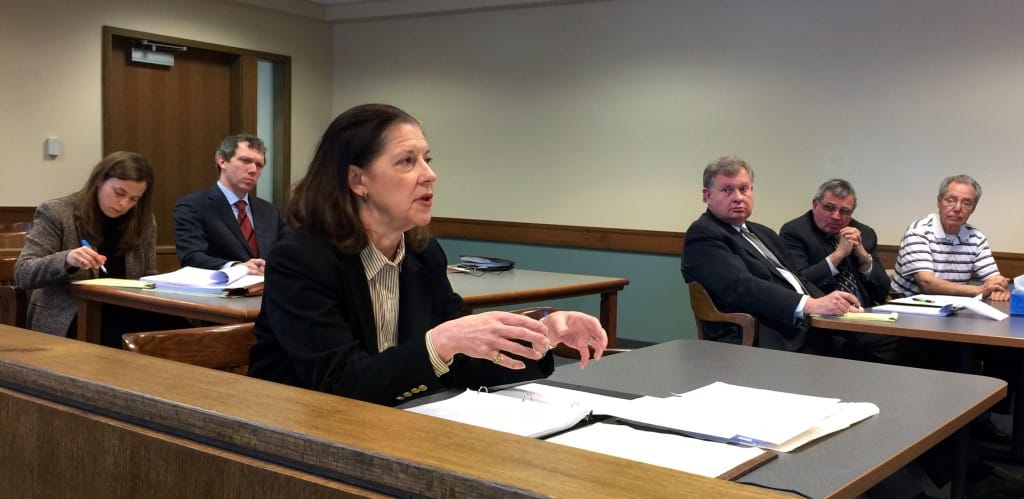
On Jan. 6, Lohn held a 90-minute hearing to review Trapp’s interim findings, which she filed with the court in a 22-page report on Jan. 4.
“I have never seen a judgment entry quite like this,” Lohn told Trapp, referring to Grendell’s September entries.
“Nor have I,” Trapp said.
“I don’t see any findings of fact,” said Lohn. “What is listed in each of those directives to you presupposes certain facts.”
For example, Lohn said Trapp was directed to investigate whether trustees committed fraud on the probate court by preparing a revised management agreement, submitting it to the park district for approval and then voting not to sign it.
“That information must have come, I don’t know if it’s true or not, but it must have come from the judge somewhere,” Lohn said. “I would assume it came from a court hearing.”
But it didn’t. Both Trapp and Geauga County Assistant Prosecutor Bridey Matheney told Lohn trustees had not yet voted as of Aug. 9, the date of the last hearing Grendell held in the case.
“So how could the judge include that predicate information if he’d never heard the information? I mean, he hadn’t heard it in the courtroom,” asked Lohn.
“We can assume two things. We can assume either that that information came to the court by way of a filing, but it didn’t because I looked at the file and I didn’t see it,” he said. “Or, we can assume that the underlying facts, which caused the court to issue this (September) order, were not adjudicated by the judge. It must have come to him from third-party sources or sources outside the courtroom without the parties being involved in it.”
Lohn concluded the information Grendell relied upon to authorize Trapp to conduct her investigation were not facts brought out in any court hearing held between Aug. 9 and the date the master commissioner orders were filed.
“He just issues the judgment entry,” Lohn said.
Lohn also took exception to Grendell quoting language from the Ohio Supreme Court’s April 2016 decision as authority for his September instructions to Trapp; namely, that a probate court’s authority vis-à-vis park districts “surely includes the ability to issue orders to enforce the entry creating the park district, including orders that impose duties on those interring with the park district’s purposes.”
But Lohn called the quoted language dicta, referring to parts of a court’s opinion that are not binding on lower courts and later courts.
Trapp agreed.
Lohn said it was understandable Grendell frequently quotes that language “because it’s a very favorable piece of dicta for the judge.”
“It says that he has plenary power; it says that he can do a lot of different things,” Lohn said. “We don’t know that. The statute doesn’t say that.”
He added, “The statute says he has the power to approve the creation of the (park) district, to appoint commissioners and to remove commissioners. I don’t know if it says anything about the management of the parks on a day-to-day basis.”
Both Trapp and Lohn agreed the court of appeals and likely the Ohio Supreme Court would provide some direction on a probate court’s power over park districts.
Shortly before taking a brief recess, Lohn asked Trapp if she could or should have declined the assignment because, as a master commissioner, she was fulfilling both an adjudicative and investigative function.
Yet, Trapp admitted she was involved in facilitating discussion, answering questions and encouraging the parties to work toward a negotiated revised agreement.
“I don’t have any problem with that,” Lohn said.
However, because Trapp was involved in those negotiations, Lohn said it would be improper for her to decide whether Radtke or Petruziello broke any laws or was in contempt of court.
“You are acting as an adjudicative officer. We have to stay away from anything in a controversy that we may be called as a material witness,” he told Trapp. “You shouldn’t be the investigator and the adjudicator.”
Trapp told Lohn he articulated her concerns with the assignment, explaining that is why she did not address questions regarding contempt, retaliation and deprivation of civil rights in her interim report.
“I’m not going to let you address those issues,” Lohn said. “I want you to suspend all activities until further notice.”
The judge also noted Trapp had a mandatory duty as a master commissioner to take sworn testimony. To date, however, Trapp admitted she has never taken any sworn testimony in the case.
Trapp then reviewed with Lohn her interim findings.
Did trustees interfere with the operation or purpose of the park district by rejecting the revised management agreement?
“No,” Trapp said.
Did trustees’ actions or inactions with respect to the revised management agreement violate Ohio Revised Code Chapter 1545?
“No,” Trapp said.
Did trustees’ actions or inactions with respect to the revised management agreement violate the 1984 probate court order creating the Chester Township Park District?
Trapp gave a qualified yes.
“Simply either taking an action not to accept the revised park agreement or their inaction concerning that revised park agreement has, in my opinion, no affect on Judge Lavrich’s original order,” she said. “But the termination of the existing park agreement has had the affect of interfering with the operation of the park (district).”
Added Trapp, “If we were looking at the operation of the park district and the protection of the park district, I believe I had a duty to bring it to the court’s attention that terminating the agreement, and the effect of terminating the agreement, because of the way it’s perceived by, particularly, the park district board of commissioners, could have a negative effect and negatively impact the park district’s operation until this whole issue is resolved.”
That question is going to be answered by the court of appeals, Lohn said.
Trapp also said she found no evidence trustees or legal counsel committed fraud or perpetuated fraud on the probate court in rejecting the agreement, nor did she find evidence Radtke intimidated the current park commissioners to resign, thereby interfering with the operation of the park district.
While Lohn said he recognized Trapp’s concerns about the ongoing operations of the park district, he said his powers were limited and did not extend to addressing those concerns.
“I will say that, if I were a township trustee and a probate judge issues orders that say maybe I violated somebody’s civil rights, maybe I’m going to be charged with a felony, maybe I’m going to be in contempt of court, I would be very intimidated and afraid to do very much with the parks,” he added.
Lohn took the matter under advisement and said he would issue a ruling.


