


As flowers begin to bloom in Geauga County, so do the potholes.
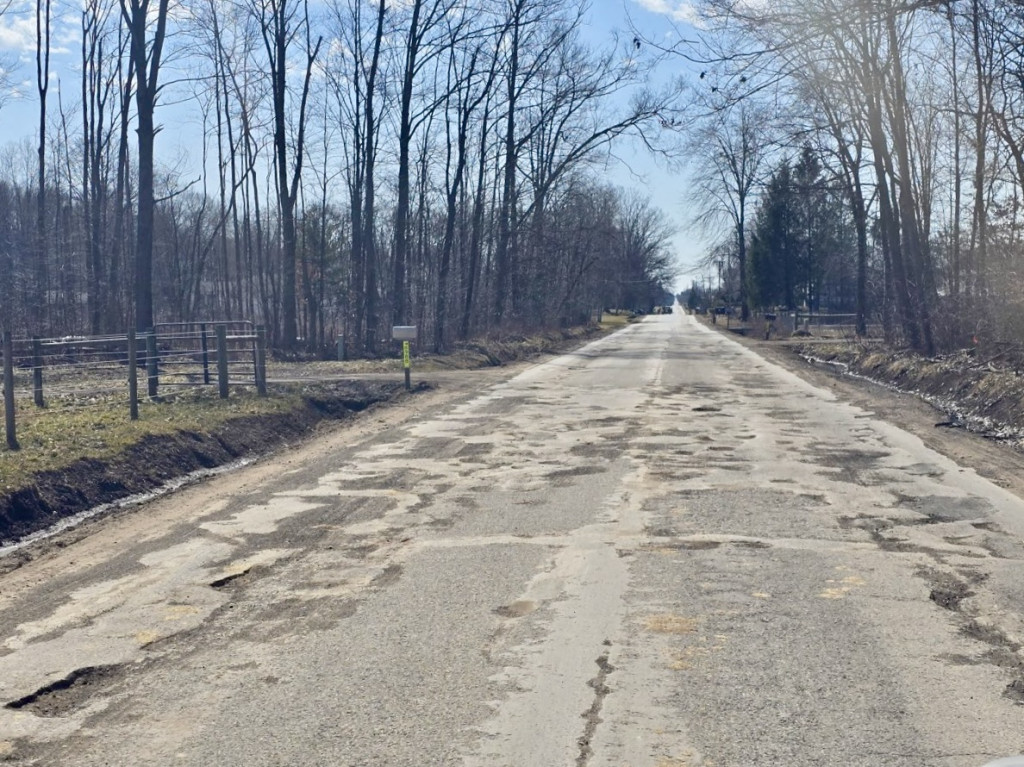
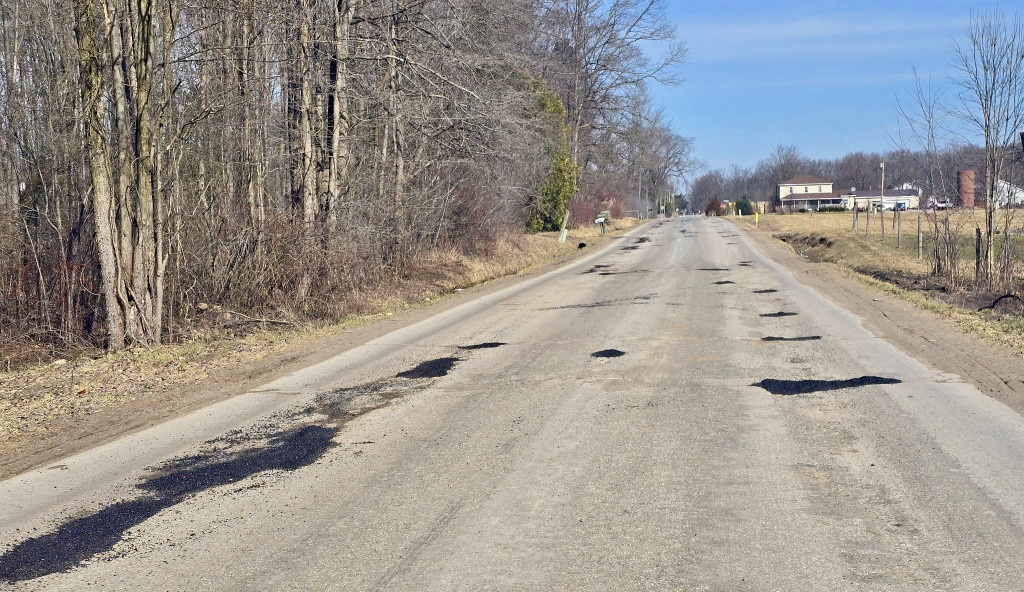
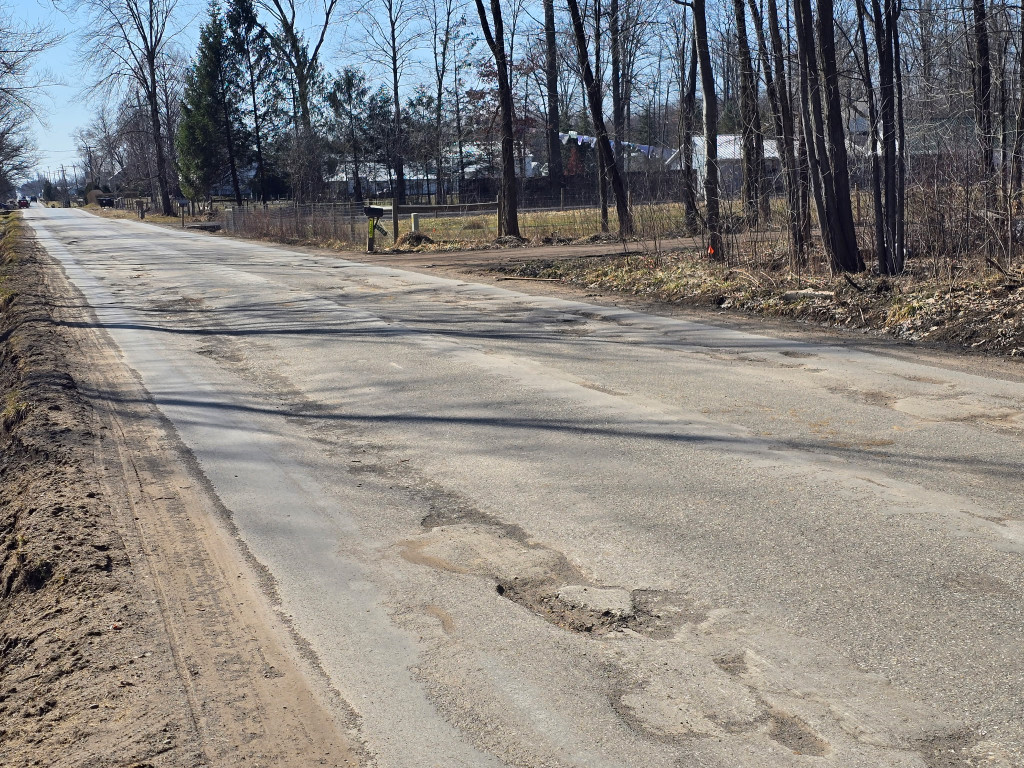
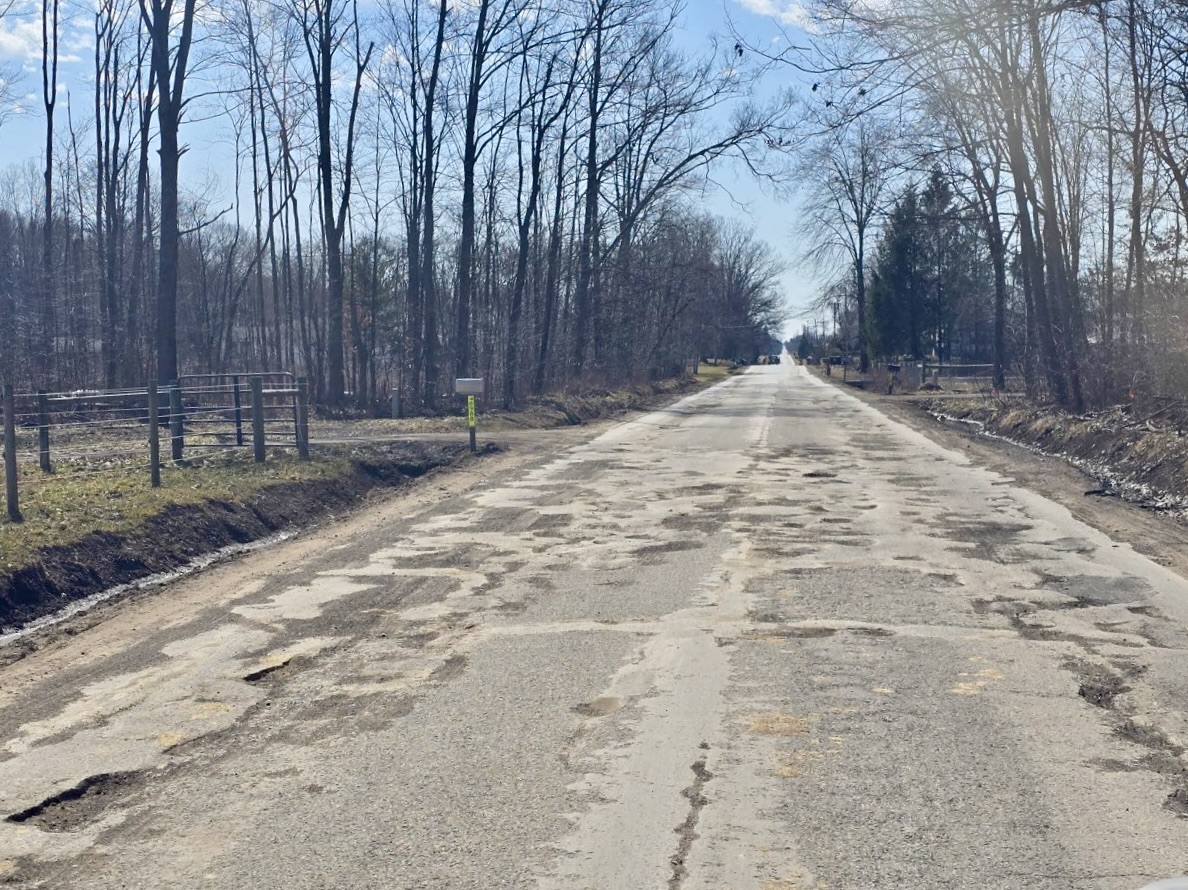
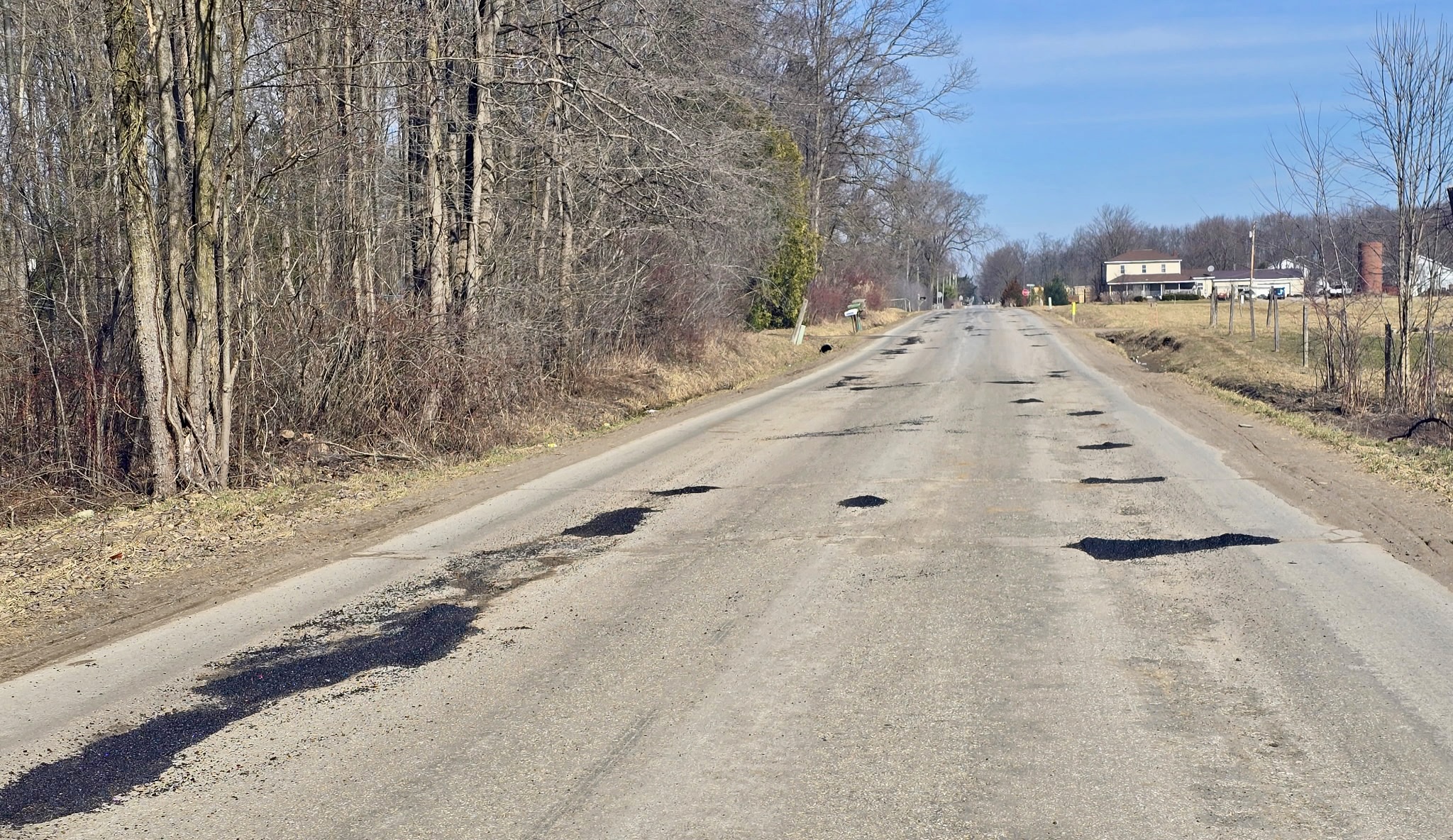
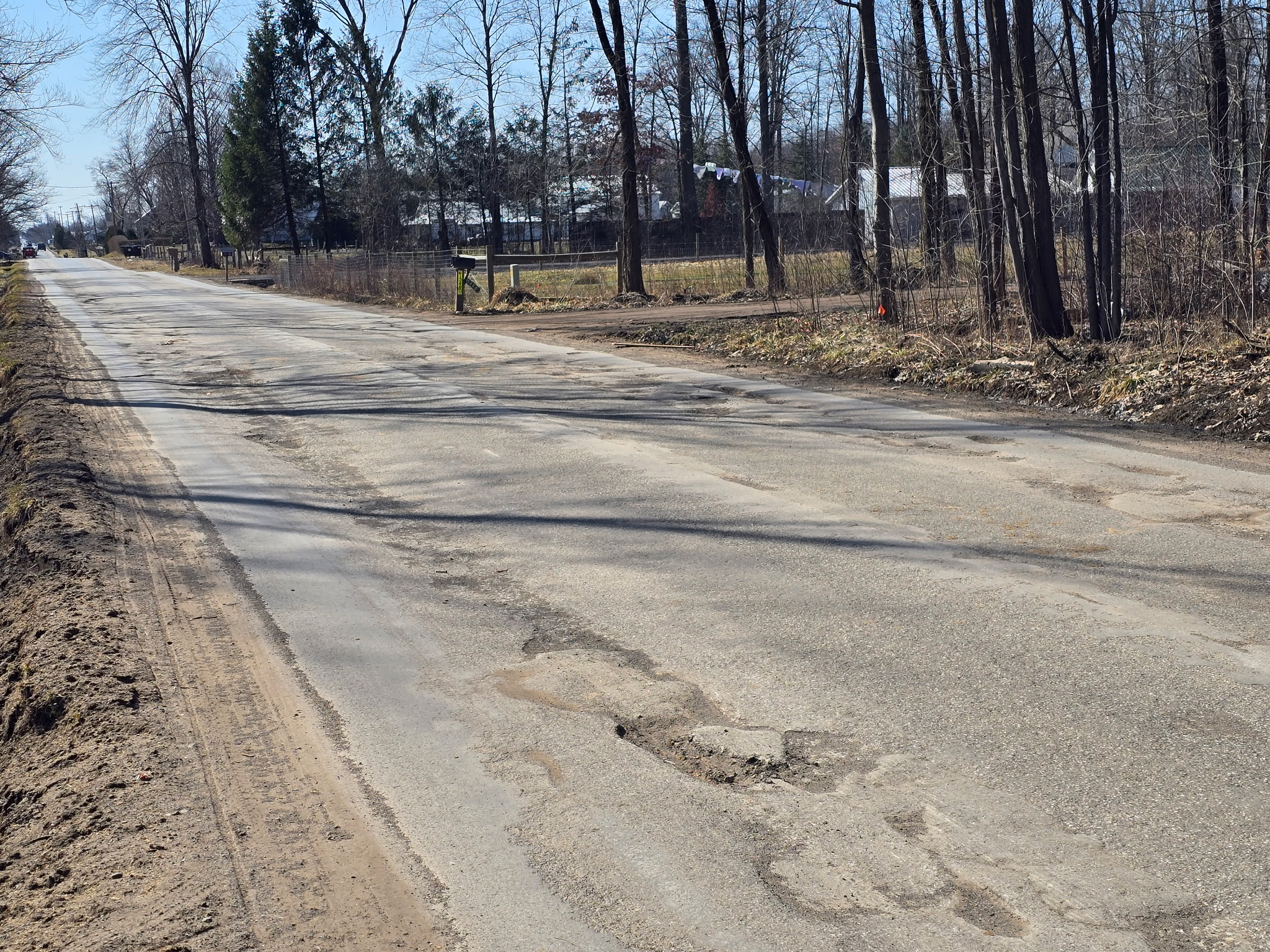
As flowers begin to bloom in Geauga County, so are the potholes.
While the county continues to thaw out of a more traditional winter — the city of Chardon saw 93.3 total inches of snow for 2024-2025 — it is also facing the toll the season has taken on its infrastructure.
“I think we were 15 below (degrees Fahrenheit) in January, if I recall,” Geauga County Engineer Andrew Haupt said in a phone interview March 10. “We’ll have some melting of the snow and ice, which can go into any cracks or defects in the pavement and re-freeze once it gets to 15 below. And that’s your typical cycle of freeze-thaw, which causes damage … that’s where you’ll see those surface-type potholes.”
While the weather is great for maple season, it’s terrible for a road’s longevity, he said,
With January and February below zero for longer stretches of time than years past, the ground also froze, causing frost in the road itself, he explained.
“That causes some heaving to happen as things expand,” he said, adding the age of a road also impacts the amount of damage.
Older roads with lots of cracks will see a lot of deterioration you won’t see on newer roads, which is why maintenance is constant, he said.
The township and county have signs posted for trucks to carry at reduced load limits in order to prevent further damage, he added.
“Maintaining a safe road with snow and ice removal techniques, it’s a tough balance to walk sometimes, but I know our crews did a fantastic job. So did the townships,” Haupt said.
While winter temperatures the past five years have been milder compared to this winter, Haupt described the current damage as part of a typical cycle.
“There’s nothing unusual about it. It’s just part of where we live,” he said. “The freeze-thaw cycle is a tough thing for us.”
Maintenance, including crack sealing, patching and resurfacing is a constant cycle, Haupt said.

The effects of the freeze-thaw cycle can be seen evenly across the county — no one area has been impacted more than others, with widespread damage even on county roads, he said.
Bundysburg Road, which straddles the county line with Trumbull County, is going to need some serious work in the next few months, township officials said.
Heavy logging trucks traveling Bundysburg cause damage to the chip and seal surface, said Middlefield Township Trustee Mervin Miller.
In Huntsburg Township, Bundysburg has been at the top of the list for more than a year and is ready to be paved, said township Trustee Nancy Saunders March 10.
Logging trucks and horses pulling buggies do the most damage to a chip and seal surface, especially when the freeze-and-thaw cycle hits, she said.
“Once a hoof puts a hole in the surface, it fills with water that freezes. You’ve got a pothole,” Saunders said.
Middlefield Village Road Superintendent Joe Tucholski said village streets saw a lot of heaving and cracking as temperatures rose and fell.
“We’re doing a lot of resurfacing,” he said. “They put down four to six tons of cold patch in potholes.”
Winter damage to Burton Village streets was no more than might be expected, said village council member Craig Martin.
The four streets that sustained the most damage were Garden, Spring, Baird and Hicox — all of which are on the village list of streets to be repaved this coming summer, he added.
Repairs to county roads begin as soon as the weather breaks, Haupt said.
“I know we have our crews out chasing whatever we can,” he said. “If there’s something immediate, it’s whatever it takes to get it done, but I don’t think we’ve had anything that’s been a catastrophic failure that I’m aware of.”
Foremen, crew leaders and plow drivers flag damage such as potholes when they see it, Haupt explained.
“Previous administrations have done very well in Geauga County at building our road infrastructure up to the level that it far exceeds a lot of our neighbors, and I think it shows,” he said. “When you leave Geauga County, you know it.”
Potholes are addressed in the standard budget for maintenance and materials are always at hand, he said, adding drainage is the next thing to keep an eye on.
“Making sure all our culverts are open and there’s no obstructions for whatever might be there that wasn’t there, under the snow,” he said. “It’s gonna thaw and it’s gonna rain. Spring’s coming.”
However, despite the current thaw, winter season is not over, yet, Haupt warned.
“I remember snow in April,” he said. I’ve plowed personally on Easter.”


