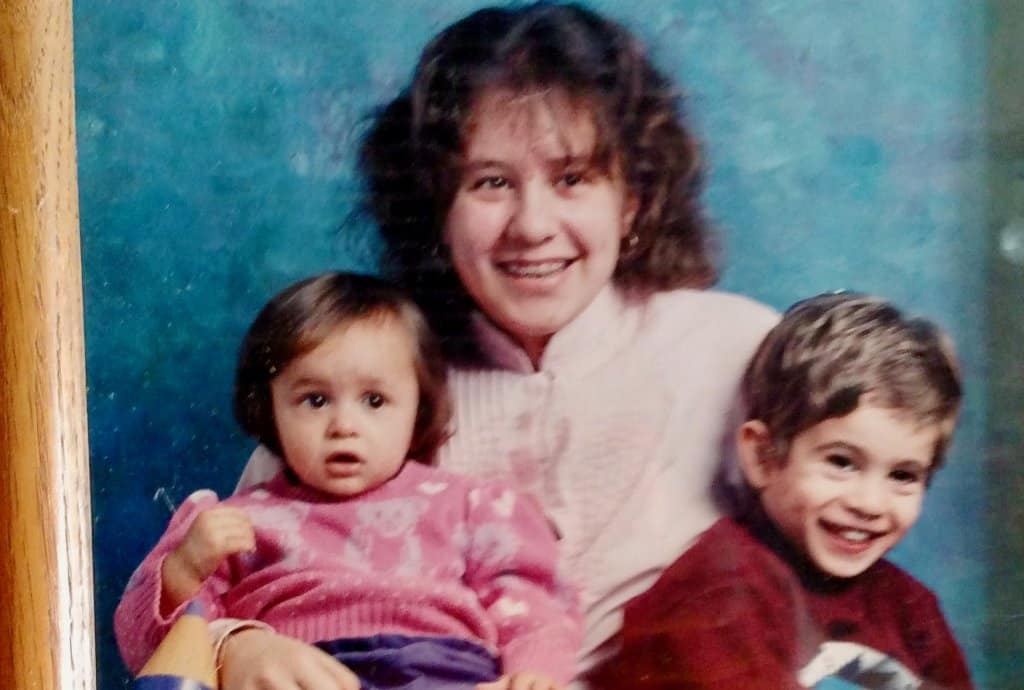
For reasons Jennifer and Joseph Turkoc will never fully know or understand, their son, John Turkoc, couldn’t defeat the internal battle he fought for almost all 24 years of his life — which ended tragically May 31, 2017.
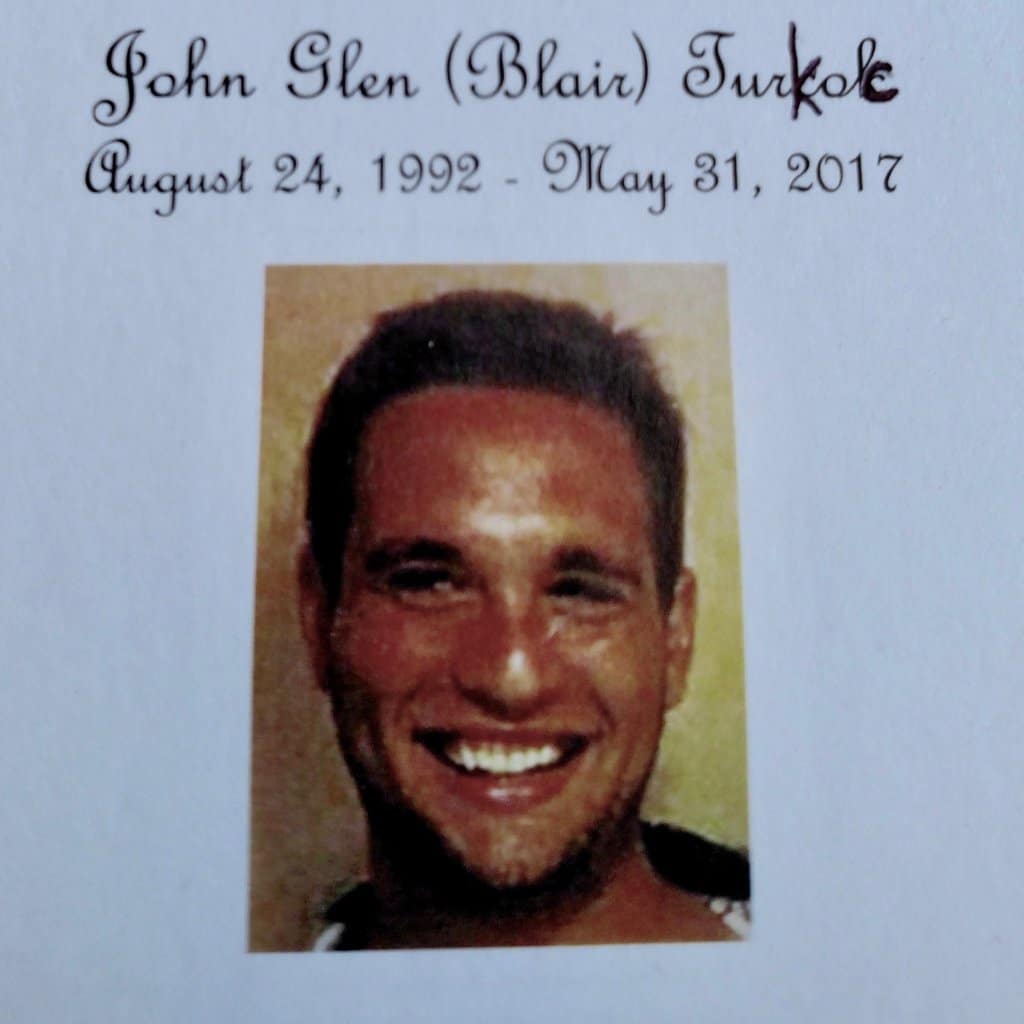
For reasons Jennifer and Joseph Turkoc will never fully know or understand, their son, John Turkoc, couldn’t defeat the internal battle he fought for almost all 24 years of his life — which ended tragically May 31, 2017.
The Chester Township couple had adopted John and his younger sister, Alexandra, 22, when he was 4 years old.
Yet, the siblings were like night and day, Jennifer said.
“They never got along,” she said matter-of-factly. “John was a very troubled child. He had reactive attachment disorder. He bounced around different placements before he came to us. I think we were his fourth placement. He joined our family when he was 4 years old and he was a very violent, aggressive child who didn’t seem to have that check in him that keeps you from saying and doing the wrong thing.”
The Early Struggles
Due to his aggression — both in school and toward his siblings, including an older sister, Mary, 33 — the Turkocs placed John into a residential treatment center when he was a freshman in high school.
“It’s a place where young men live and get group therapy and individual therapy,” Jennifer explained. “(John) was part of an anger management group there. It’s for kids who can’t stay at home because they act out too much. John did some violent things. He was tossing around furniture when he got angry. He attacked my oldest daughter with a knife once.”
Jennifer estimates John started using drugs sometime when he was at West Geauga Middle School.
“It started when he was in junior high school. He admitted to huffing or sniffing aerosols and paint thinner,” Jennifer recalled. “And I think he was, I don’t know, because I never asked him why he started sniffing the paint thinner and the aerosols, but I think he was self medicating for mental health issues. That’s very common and he seemed to not be able to take advantage of the counseling we got for him.”
John eventually went back to live with the Turkocs when he was attending West Geauga High School, however, he never graduated and dropped out when he was in his senior year.
“We said it was time to leave the nest. He could never hold a job. He could never take responsibility for himself, everything was everyone else’s fault,” Jennifer said. “When he went out on his own, he was homeless often. And the drugs were readily available and I don’t know where he got the money, though, to pay for them. But, he got the drugs and I guess there was nothing else for him to do.”
The Battle Takes a Tragic Turn
John began experimenting with heroin. He was also taking various pills and “anything he could get,” Jennifer said.
“He seemed to be trying to escape his reality. He never went into rehab. Several agencies tried to help him, (Geauga County) Job and Family Services, Ravenwood (Health), group homes,” she said. “He would do something stupid and then get kicked out. He was just very troubled.”
She said John would be clean for a bit and then homeless again and went back to doing drugs and stealing money for them.
“We would meet him and visited him when he was in psychiatric units. We would try to talk to him,” she said. “He just never understood what was happening to him and what he was getting himself into.”
John often “couch surfed” when he wasn’t homeless, Jennifer said.
He was staying with a friend in Cleveland Heights on the tragic day he lost his battled with drug use.
“My sister called and said someone posted something on Facebook that said ‘RIP John Turkoc,’” Jennifer recalled. “He died from an overdose of heroin and Fentanyl. I don’t know if the police found him or tried to revive him. We never got any information about how they found him or who found him and that sort of thing.”
The Aftermath
Jennifer was candid when she spoke of how her son’s death has impacted her life and family.
“It’s kind of made it hard for us. Our marriage is in trouble. My husband, Joseph, was always tougher with him, I was always softer with him. When he passed away, it just seemed like, there was a hole between us,” Jennifer said. “Aside from creating a lot of depression in me, it’s just made my life difficult. I miss him. I can’t believe I’ll never see him again. It’s just really hard to accept that one of your children is gone. I have to correct myself (now) when I say I have three children — no, I have two children.”
Jennifer said her eldest daughter took John’s death very hard.
“It hit her like a ton of bricks the day after it happened,” Jennifer recalled. “My youngest daughter (John’s biological sister) didn’t have a good relationship with him. She kind of buried it. She was depressed, too. And had to seek counseling. She kind of buried it in her. On the surface, she didn’t seem upset, but was upset on the inside.”
Both Jennifer and her husband have been going to respective support groups for their grief.
“I wish I was more active in fighting the (drug) epidemic, but I still don’t think I’m at a point where I’m ready to do that yet,” Jennifer said. “I’d like to because it’s such an important topic.”
When asked what she would tell others who are either thinking about doing drugs or are currently in the struggle, Jennifer was also candid in her response.
“Don’t get involved with drugs. It’s a dead end and you’ll end up in the morgue as opposed to living life and achieving something,” she said, then added that parents should keep their eyes constantly peeled for signs of drug use.
“Watch your children. Be aware of what they’re doing,” she said, referencing all the times John would sneak into the garage and huff or he was sneak behind the library and smoke unbeknownst to her or her husband. “You’ve gotta account for their time. I had a coworker who said when one of her daughters wanted to go to a party, she would call the parent in an effort to make sure the parent was going to be there and it was legitimate. Use your eyeballs and see what’s going on.”
Jennifer also emphasized the importance of seeking help, of taking people up on offers to help and the importance of support, both for the addict and the family.
Unfortunately for John, he was unable to take the hands of everyone, including the Turkocs, who offered to help him.
“He was offered so many opportunities to clean himself up and blew them all,” Jennifer said. “So we felt like there was nothing we could do to help.”
This concludes Part III of a six-part series on the opioid crisis in Geauga County. Read related story here.