


Chagrin Falls Schools
This past November, Mike Daugherty, director of technology for Chagrin Falls Schools, gave an IdeaTalk at IdeaStream...
Director of Technology Gives IdeaTalk
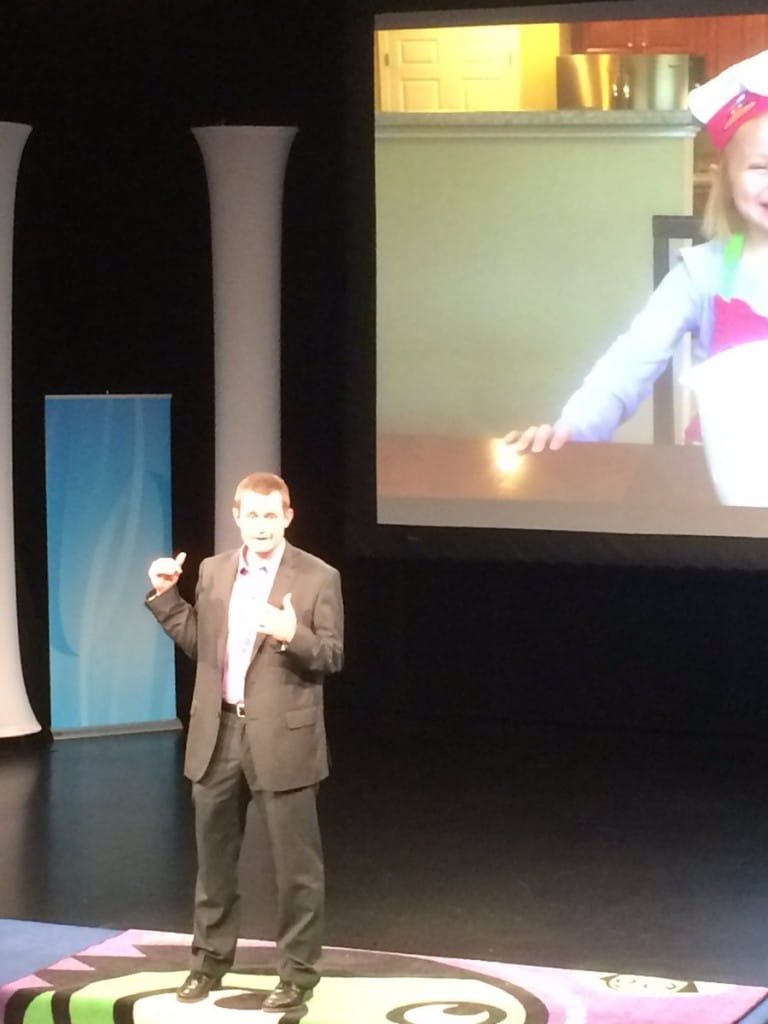
This past November, Mike Daugherty, director of technology for Chagrin Falls Schools, gave an IdeaTalk at IdeaStream about the future of technology and education.
Daugherty took the audience on a trip both back in time and into the future of technology and education. He explained that 20 years from now, in 2036, 3D printing will be as common to have in the home as a coffee pot and the printer will be the way we get items from clothes to replacement parts for the dishwasher. Space advancements will have sent the first humans to Mars and by 2060 people will be living there. In healthcare, the human body will be monitored at a molecular level to look for early signs of possible diseases. Automation will become an important part of our lives as there will be driverless cars.
“Keeping all those examples I just mentioned in mind, let’s come back to 2016. It’s an amazing time to be alive,” said Daugherty. “There’s one question that immediately should come to the forefront of the conversation. It’s not a new question. This is not a new idea. As educators, how do we prepare kids for an uncertain future?”
He went on to explain that 20 years ago people we worried about an uncertain future and they were fearful of their children’s education falling behind other nations. The focus was turned to how America’s children could be kept on the same pace as the rest of the world, not on how to improve the way the students were being taught.
“The problem in America is a fundamental flaw in how we educate our children. We have a factory model of education in which we push students through school based on their age, not the speed at which they learn, how they learn, or the mastery of the content,” said Daugherty. “This model doesn’t build the skill set our students need to be successful today, let alone the future.”
Daugherty then went on to discuss what current educators and administrators can do to ensure that public education system changes to nurture makers, innovators and problem solvers. He encouraged teachers to take risks, to be advocates for more technology integration in the classroom and to make lessons that allow for collaboration, research and problem solving among students. For administrators, he encouraged them to rethink their approach to content filtering in regards to social media and to invest in stronger WIFI connections within schools. He also encouraged them to approach IT with a better attitude to allow for “bridges, not barriers” when it comes to integrating technology into their schools.
Daugherty ended his presentation with this lasting thought for the educators in attendance, “I know that public education, technology, and the people in this room will shape my children for the future. Don’t wait for the revolution. Be the revolution.”
Daugherty’s full presentation will be available on the WVIZ website in January.
Submitted
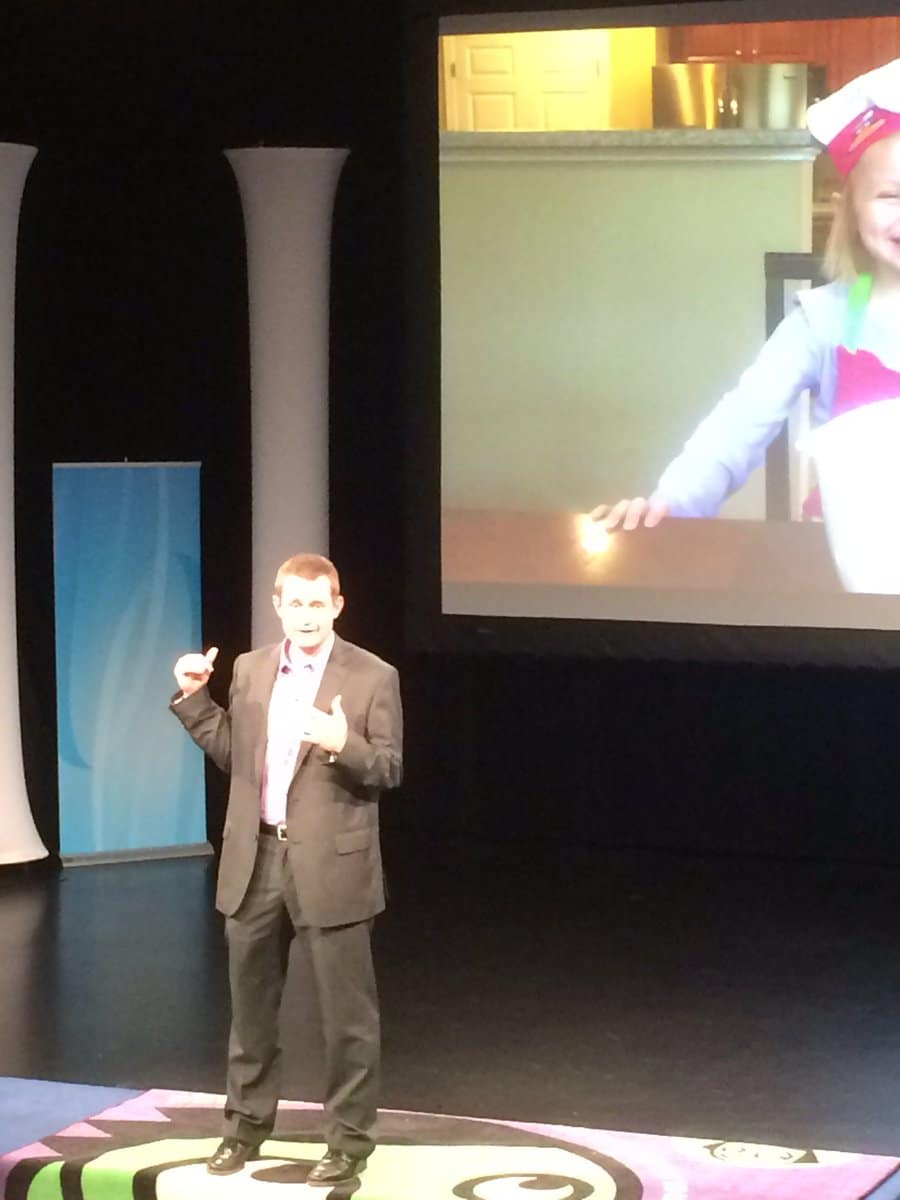
Mike Daugherty, director of technology for Chagrin Falls Schools, gives an IdeaTalk at IdeaStream about the future of technology and education.



Stay Connected


