


Fly an Actual Ford Tri-Moter Airliner
On Aug. 13 at the Geauga County Airport, you can fly in an actual 1920s Ford tri-motor airliner. Preston Ford Superstore in Burton is sponsoring the event!
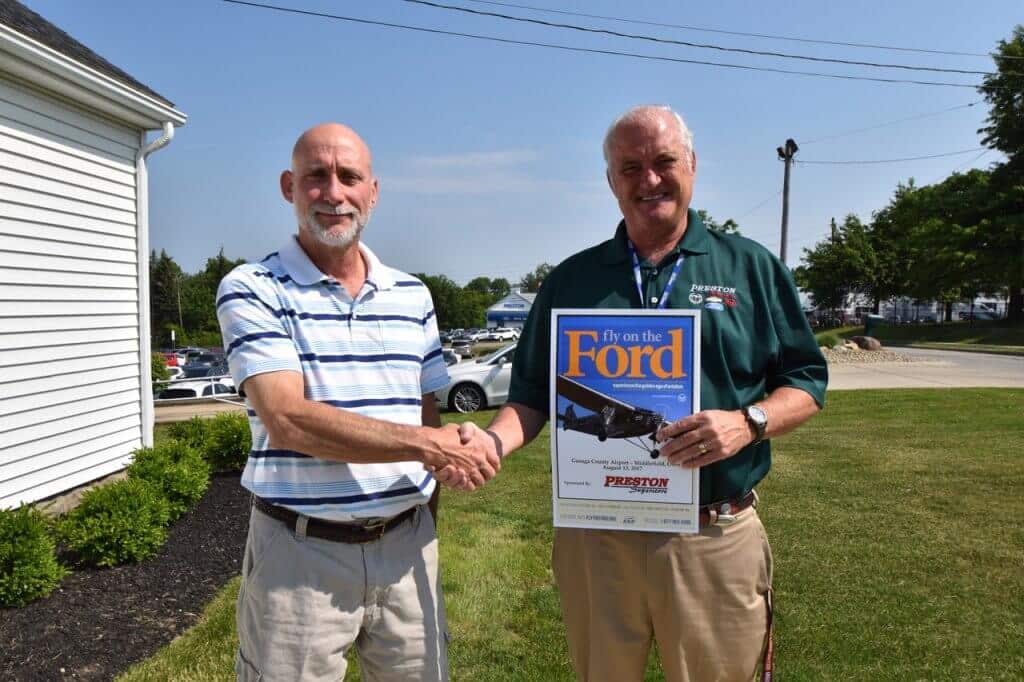
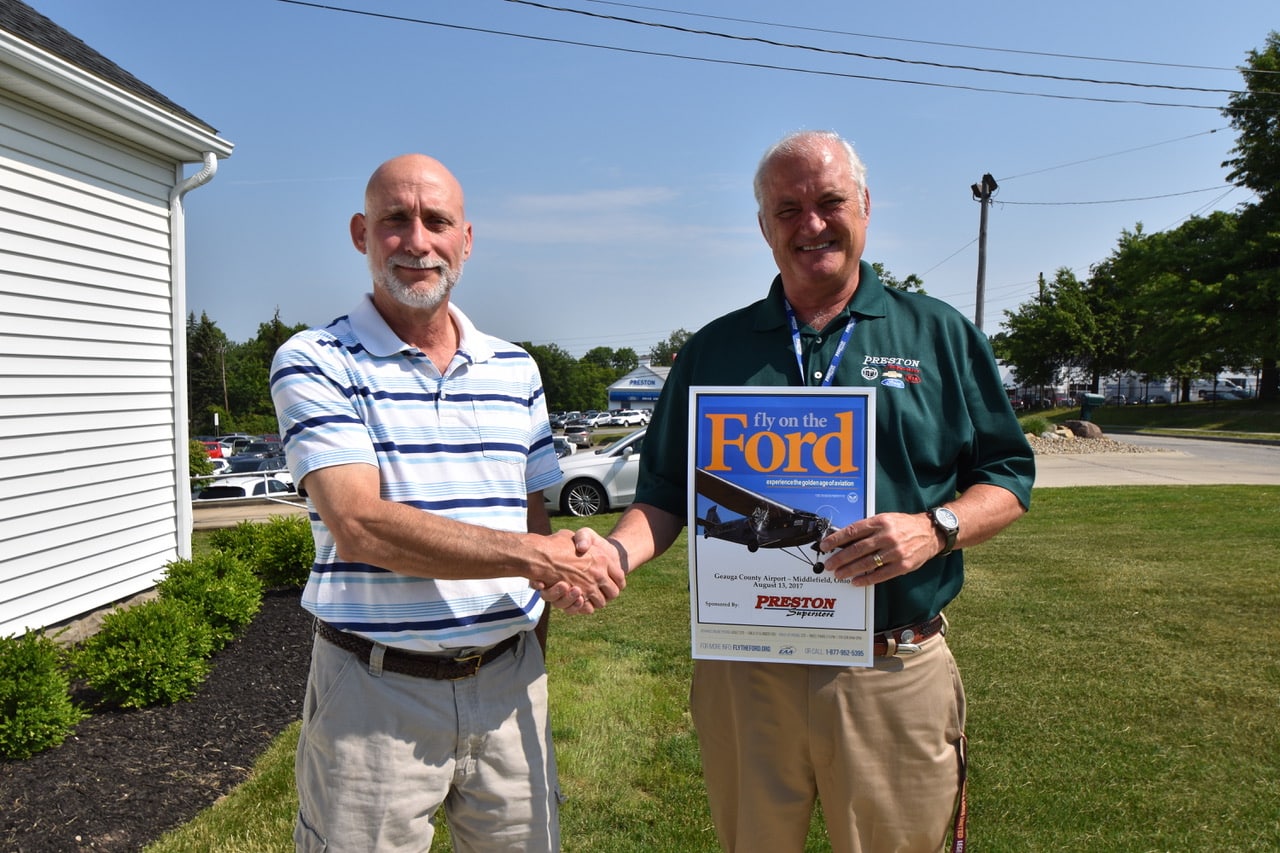
On Aug. 13 at the Geauga County Airport, you can fly in an actual 1920s Ford tri-motor airliner. Preston Ford Superstore in Burton is sponsoring the event!
“We are proud to support local aviation and historical events,” said Pat Preston, owner Preston Ford Superstore in Burton. In addition to plane rides, event plans include food trucks and many other related exhibits.

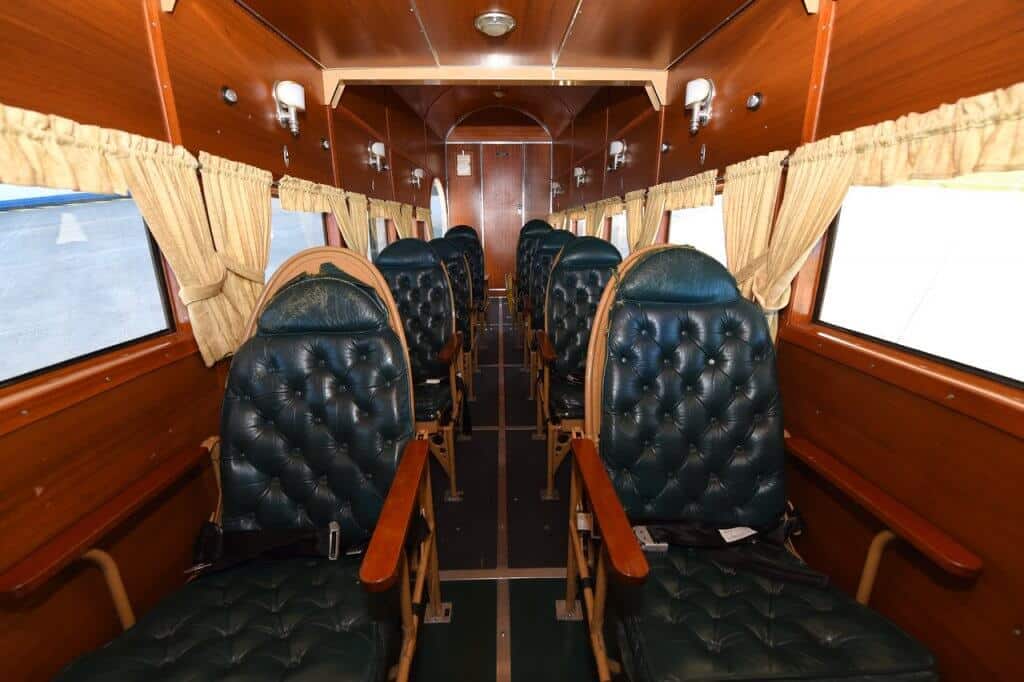
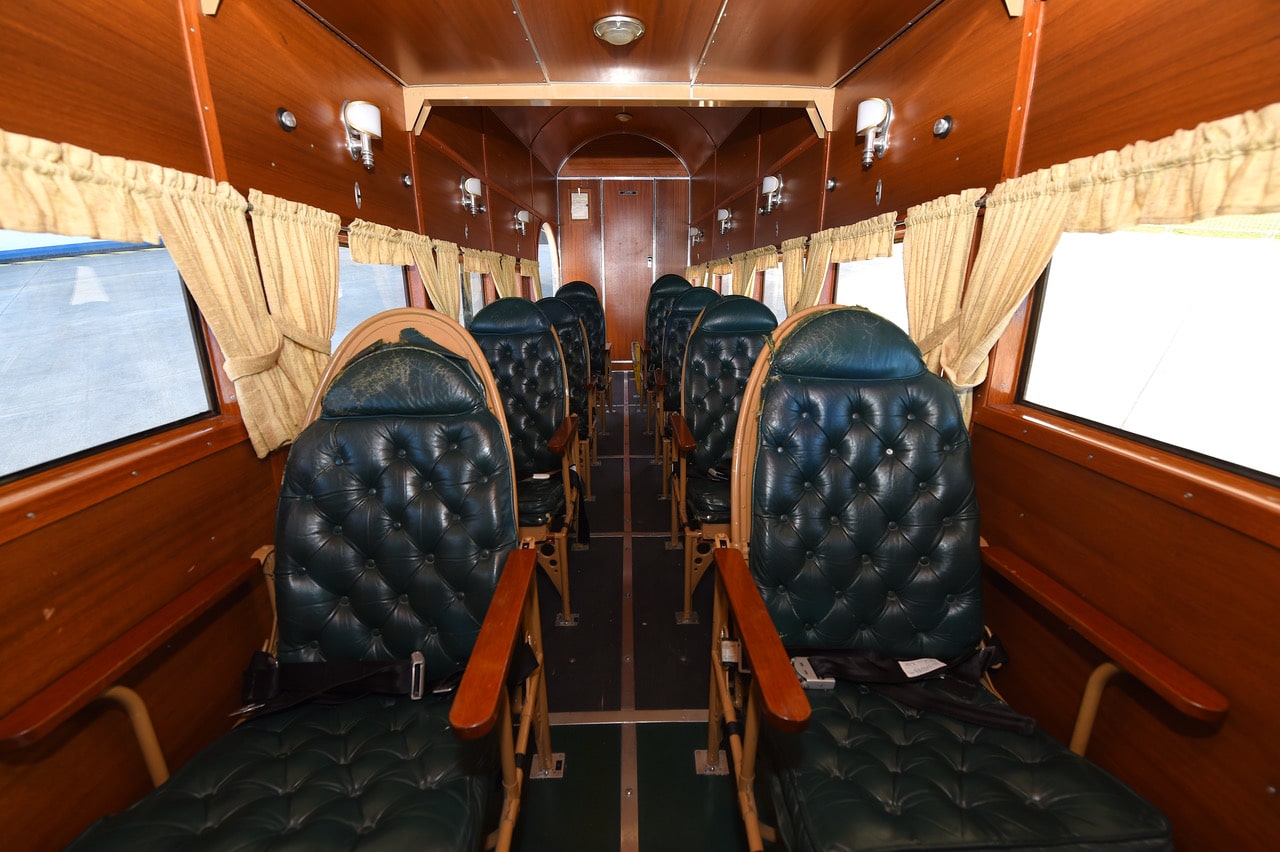
Each summer, the EAA (Experimental Aviation Association) operates a national Air Tour of its Tri-Motor aircraft. Each stop recalls the energy, passion, and excitement of the Roaring ’20s by offering flights aboard the Ford Tri-Motor. Known as the first luxury airliner, the Ford Tri-Motor redefined world travel and marked the beginning of commercial flight.
EAA 5 has received a commitment from the EAA national headquarters to host the Ford Tri-motor, arriving at Lost Nation Airport on Thursday, Aug. 10 and moving to Geauga County Airport in Middlefield on Saturday evening Aug. 12. Rides will be offered In Middlefield on Sunday, Aug. 13.
Public rides will be offered for $70 per person in advance, $75 on-site. Children are $50. Ground viewing is free. For more information contact Tim Connor 440-836-3225, eaachapter5@gmail.com.

A brief history of the Ford 4-AT-E Tri-Motor
Henry Ford mobilized millions of Americans and created a new market with his Model T “Tin Lizzie” automobile from 1909 to 1926. After World War I, he recognized the potential for mass air transportation.
Ford’s Tri-Motor aircraft, nicknamed the “Tin Goose,” was designed to build another new market: airline travel. To overcome concerns of engine reliability, Ford specified three engines and added features for passenger comfort, such as an enclosed cabin. The first three Tri-Motors built seated the pilot in an open cockpit, as many pilots doubted a plane could be flown without the direct “feel of the wind.”
From 1926 through 1933, Ford Motor Company built 199 Tri-Motors. EAA’s model 4-AT-E was the 146th off Ford’s innovative assembly line — the 76th model 4-AT-E — and first flew on Aug. 21, 1929. Days later, it was sold to Pitcairn Aviation. When Pitcairn’s management changed hands later that year, NC8407 became the first airplane belonging to Eastern Air Transport, whose paint scheme is replicated on EAA’s Tri-Motor. Eastern Air Transport later became Eastern Airlines.
In 1930, the Tri-Motor was leased to Compañía Nacional Cubana de Aviación Curtiss, where it inaugurated air service between Havana and Santiago de Cuba. The airplane was later flown by the government of the Dominican Republic.
EAA’s Ford Tri-Motor returned to the U.S. in 1949 for barnstorming use. In 1950, it was moved from Miami to Phoenix and was refitted with more powerful engines for use as a crop duster. With two 450-hp engines and one 550-hp engine, it became the most powerful Model 4-AT-E ever flown. In 1955, it was moved to Idaho and fitted with two 275-gallon tanks and bomb doors for use as a borate bomber in aerial firefighting. Then in 1958, it was further modified for use by smoke jumpers.
After working for a variety of crop spraying businesses, EAA’s Tri-Motor moved to Lawrence, Kansas, in 1964, where its new owner flew barnstorming tours. During this period, it had a variety of roles, including serving as the primary setting for the Jerry Lewis comedy, The Family Jewels.
In 1973, the aircraft was still being used for air show rides, including an EAA chapter’s fly-in at Burlington, Wisconsin. While at the 1973 fly-in, a severe thunderstorm ripped the plane from its tiedowns, lifted it 20 feet into the air, and smashed it to the ground on its back. EAA subsequently purchased the wreckage.
After an arduous, 12-year restoration process by EAA staff, volunteers, and Ford Tri-Motor operators nationwide, the old Tri-Motor took to the air once again, having its official re-debut at the 1985 EAA Fly-In Convention in Oshkosh.
It was displayed in the EAA AirVenture Museum until 1991 when it returned to its former role of delighting passengers on its annual tour across the U.S.
For more information contact Tim Connor 440-836-3225, eaachapter5@gmail.com.


