


Agriculture, including related sales and services, is a $2.1 billion-per-year industry in Geauga County, providing 11,787 jobs and paying $513 million in wages, according to figures from the Ohio Farm Bureau.
Agriculture, including related sales and services, is a $2.1 billion-per-year industry in Geauga County, providing 11,787 jobs and paying $513 million in wages, according to figures from the Ohio Farm Bureau.
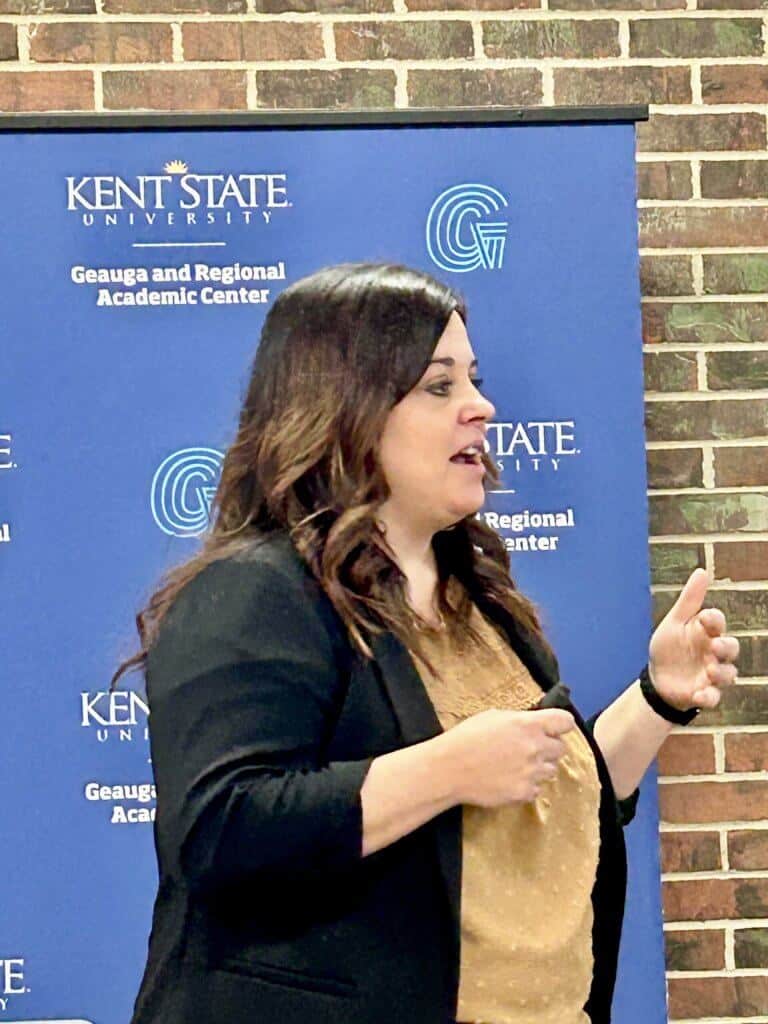
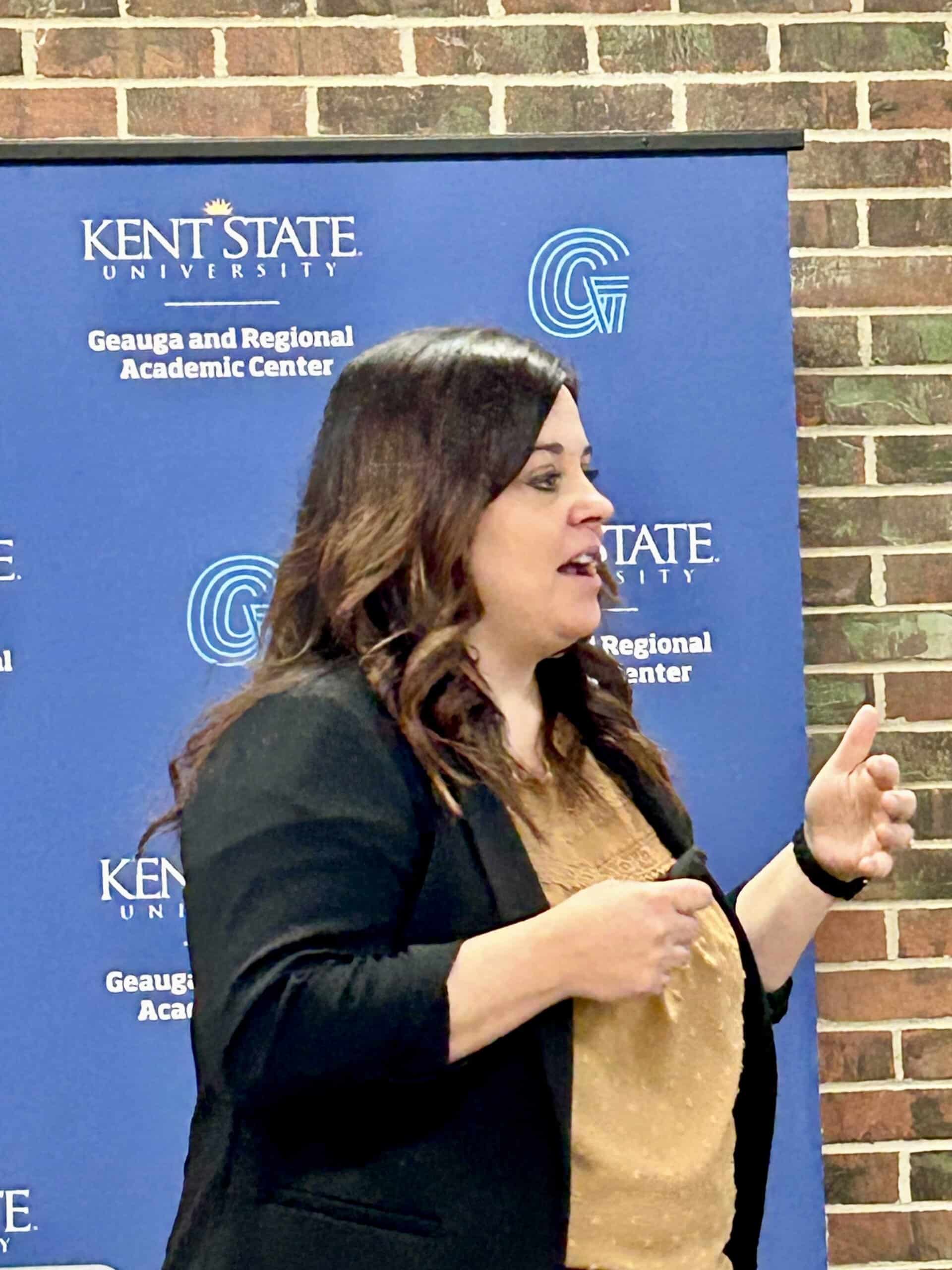
Mandy Orahood, organization director for the five-county OFB Federation, assured those attending the Geauga Economic Leadership breakfast Jan. 5 that farming and related businesses in Geauga County are a big part of the area’s financial picture.
Those figures include more than barns, crops and animals visible to people driving along the area’s roads.
Farmers need a wide variety of services, equipment and materials other residents and businesses in the county buy, as well, but if it is consumed by a farmer, it is considered a direct part of the local ag industry, Orahood said, adding nearly 6,000 people in Geauga County are directly involved with farming.
They earn about $201 million per year and contribute about $1.2 billion to the economy, she said.
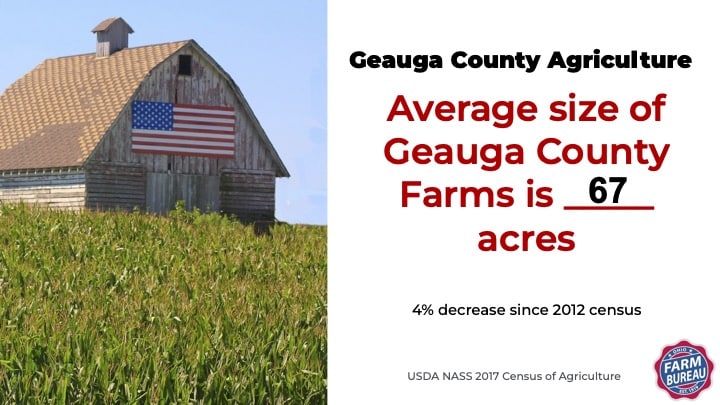
“Almost 27% of Geauga County is farmland. That’s a 3% increase since the 2012 census,” she said, adding there are 1,049 “farms” in the county on about 70,000 acres.
While the average size of a farm is 67 acres, many are only 5 acres and only 2% of local farms are over 500 acres, according to U.S. Department of Agriculture National Agricultural Statistic Service 2017 Census.
“There’s no definition of what a farm is,” Orahood said. “It’s an opinion type of thing.”
Farm bureau figures show there is a total of 1,816 producers in the county and the vast majority of them are between 35 to 64 years old, she said.
“There is a large number of females owning farms,” Orahood said, showing 702 women compared to 1,114 men listed as farm owners in Geauga.
In her district – Geauga, Ashtabula, Lake, Trumbull and Portage counties – the farm bureau lists direct and indirect statistics as follow: 91,869 jobs paying about $4 billion in wages and yielding an output of about $13.5 billion, Orahood said.

The Future of Agriculture
As with all industries, agriculture is changing as it adjusts to technology advances, new demographics and science, she said.
“Farmers’ mindsets are always evolving as they look to the future because the world has changed,” Orahood said.
COVID-19 affected the labor pool and supply chain for farmers and farm life, leading some larger farms to adopt modern methods.
“We have dairy farms where cows are being milked by robots and they like it,” she said, adding the robots read the cows’ identification tags, record output and even warn the farmer when the cow may be ready to calf.
“It will record ‘gut health’ and if the cow is not eating or chewing its cud. It’s amazing for those of us who can afford it,” she said.
The cows are not complaining — they line up at the milking parlor because they know they get fed while the robot is operating, Orahood added.
In rural communities, using technology can be a challenge.
“Only 62% of Geauga County farmers have access to broadband,” Orahood said, adding about 22% are selling directly to consumers.
“We expect that to increase,” she said.
At the other end of the industry, geopolitics are changing as they are affected by trade, alliances and food security around the world, she said.

Challenges Ahead
Emerging pests and diseases, the global food system, loss of land, consumer demand and labor shortages are on Orahood’s list as part of the puzzle farmers consider when they decide what to plant in May for harvest six or seven months later.
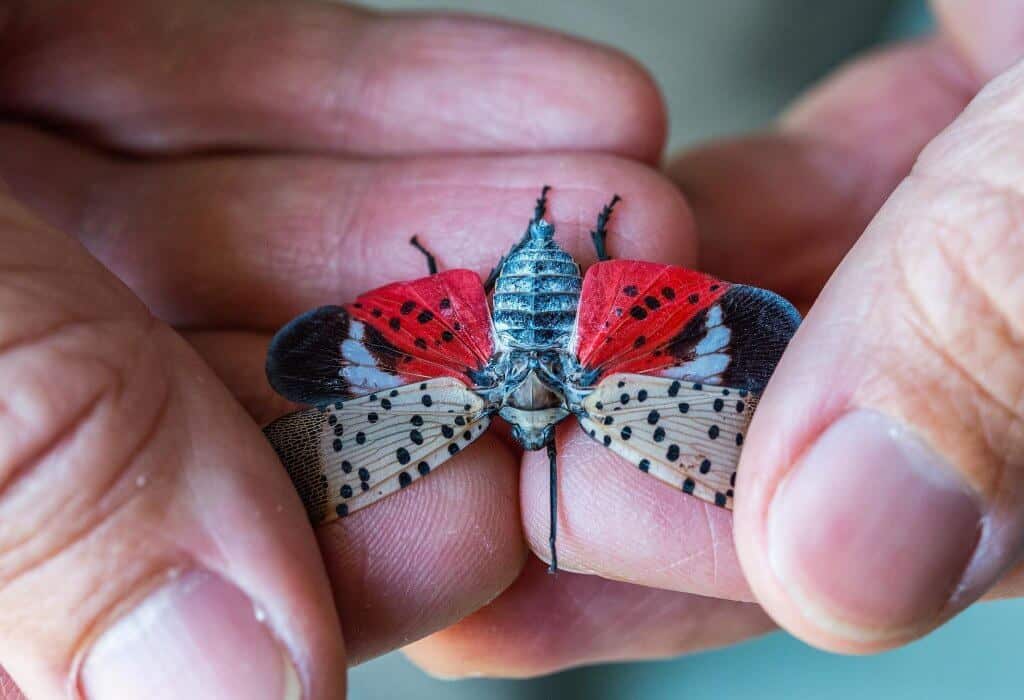
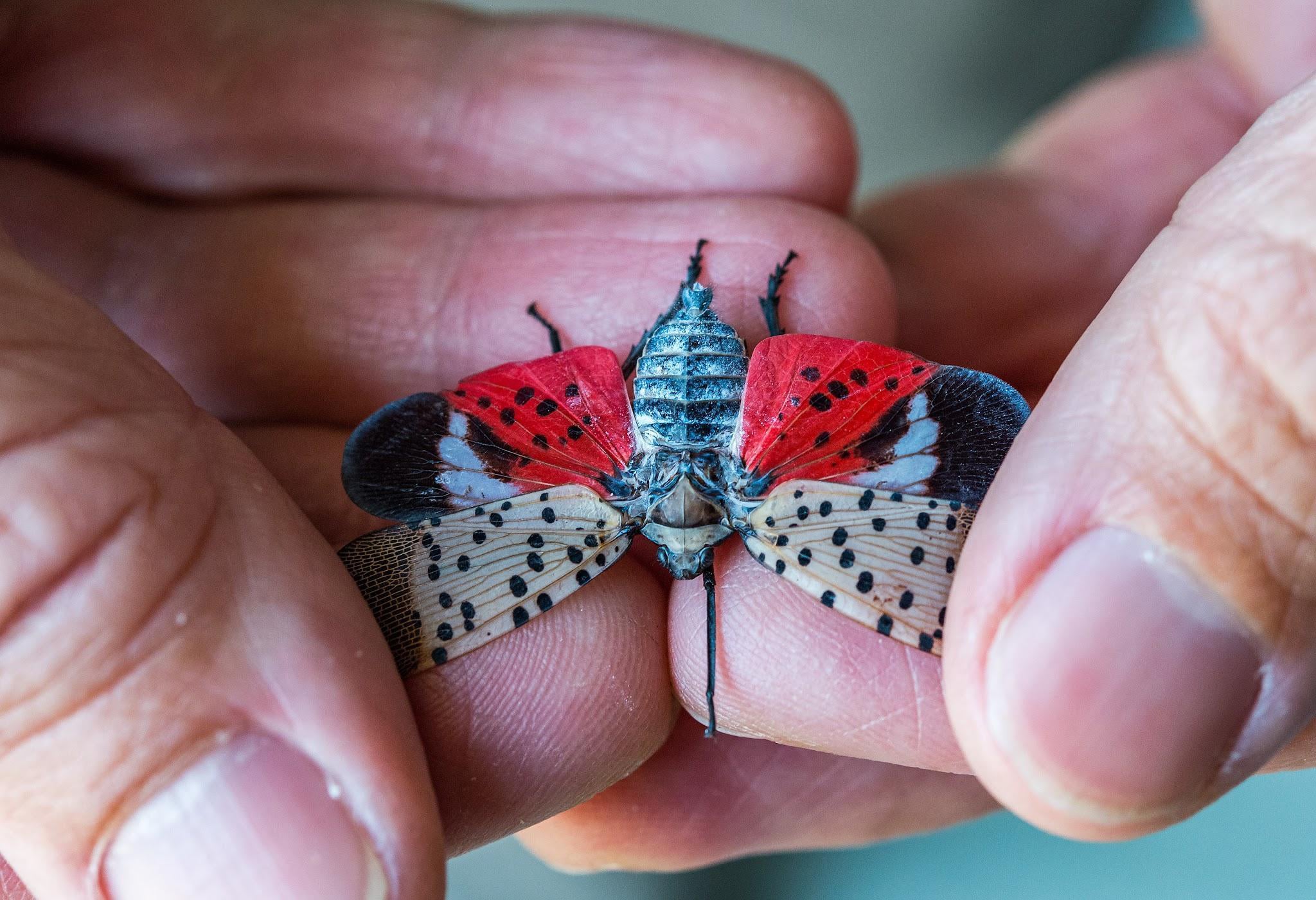
Three biological threats to Northeast Ohio are the avian flu, the spotted lanternfly and the Asian long-horn tick.
The lanternfly is migrating into Ohio from the east and sucks plants dry, destroying more than 70 species of plants including maple trees and grapevines, Orahood said.
“An infestation will be devastating to our producers,” she said, adding anyone seeing these pests should alert The Ohio State University extension office.
Avian flu is no stranger to poultry farmers and is highly pathogenic. If it is found in a flock, the entire population has to be destroyed.
“Ohio is the hub for bird migration,” Orahood said, adding farmers trying to raise free-range chickens have to be especially alert because migrating birds can spread the disease very easily.
It is the main reason poultry prices have escalated for consumers, Orahood said.
“Biosecurity is extremely important,” she said.
Female Asian long-horn ticks are asexual, so they don’t need to breed to lay eggs. Livestock grazing in pastures or woodlands can collect a lot of them and they are spread by deer and raccoons, she said.
“Ticks can take down a full-sized bull,” Orahood said. “You can treat (an infestation) but it’s not easy.”
One reason farms in Geauga County are becoming smaller is farmers can’t find workers to help with large acreage and paying full-time employees with benefits is increasingly expensive, she said.
“Farming is a lot of hard work,” said Orahood, who raises beef cattle on 5 acres in Ashtabula. “There’s no schedule. When the weather is right, you work.”

Investing in the Future of Ag
Ohio is becoming more aware of its agriculture industry.
The Ohio State University has taken on the challenge of growing the industry with a think tank focused on agriculture and a new veterinarian diagnostic laboratory, Orahood said.
The farm bureau is working with the governor, Ohio Expositions Commission and the Ohio General Assembly to preserve, protect and improve the Ohio State Fairgrounds in Columbus, she said.
“Thousands of people come to the (Ohio State) Fair. It’s the only exposure many have to farming,” she said, noting most Ohioans are three or maybe four generations removed from their farming heritage.
Their ignorance of what it takes to keep the world fed is especially frustrating to many farmers and adds to the stress they face every season, Orahood said.
Some of those who remain in the culture suffer from mental health issues, she said, adding the OFB is part of a new alliance that will focus on mental health in agriculture, as therapists are not always easy to find in rural communities.
“Many in agriculture don’t want to talk about it, don’t want to admit we are struggling,” she said. “It’s okay to ask for help.”


