


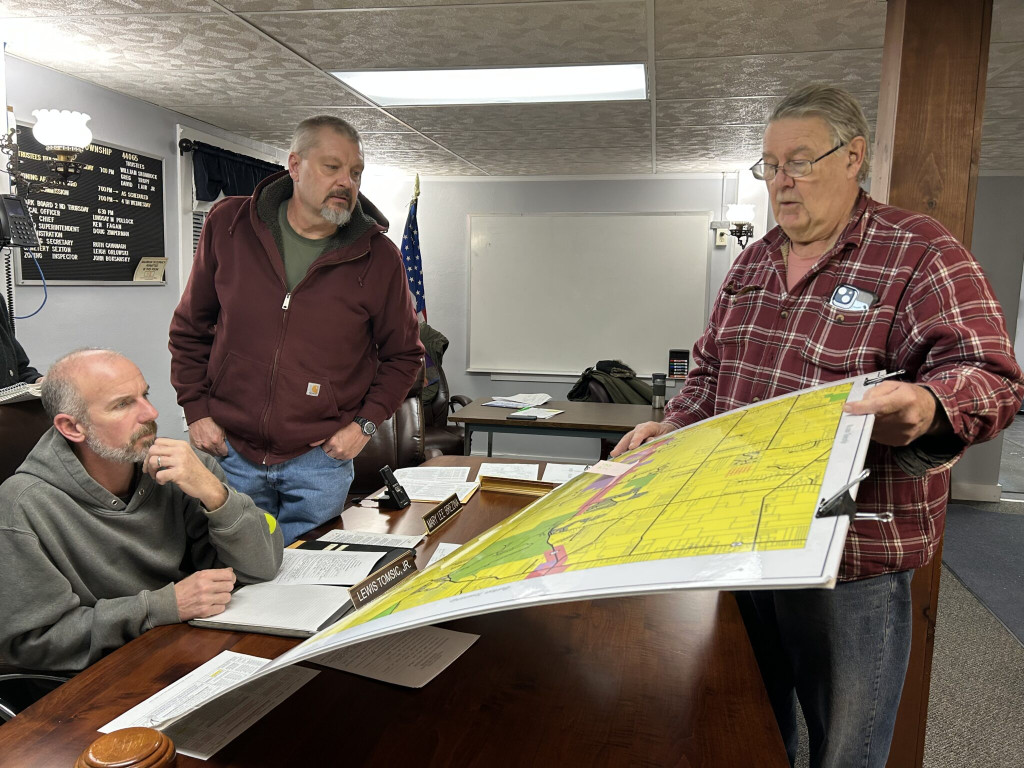
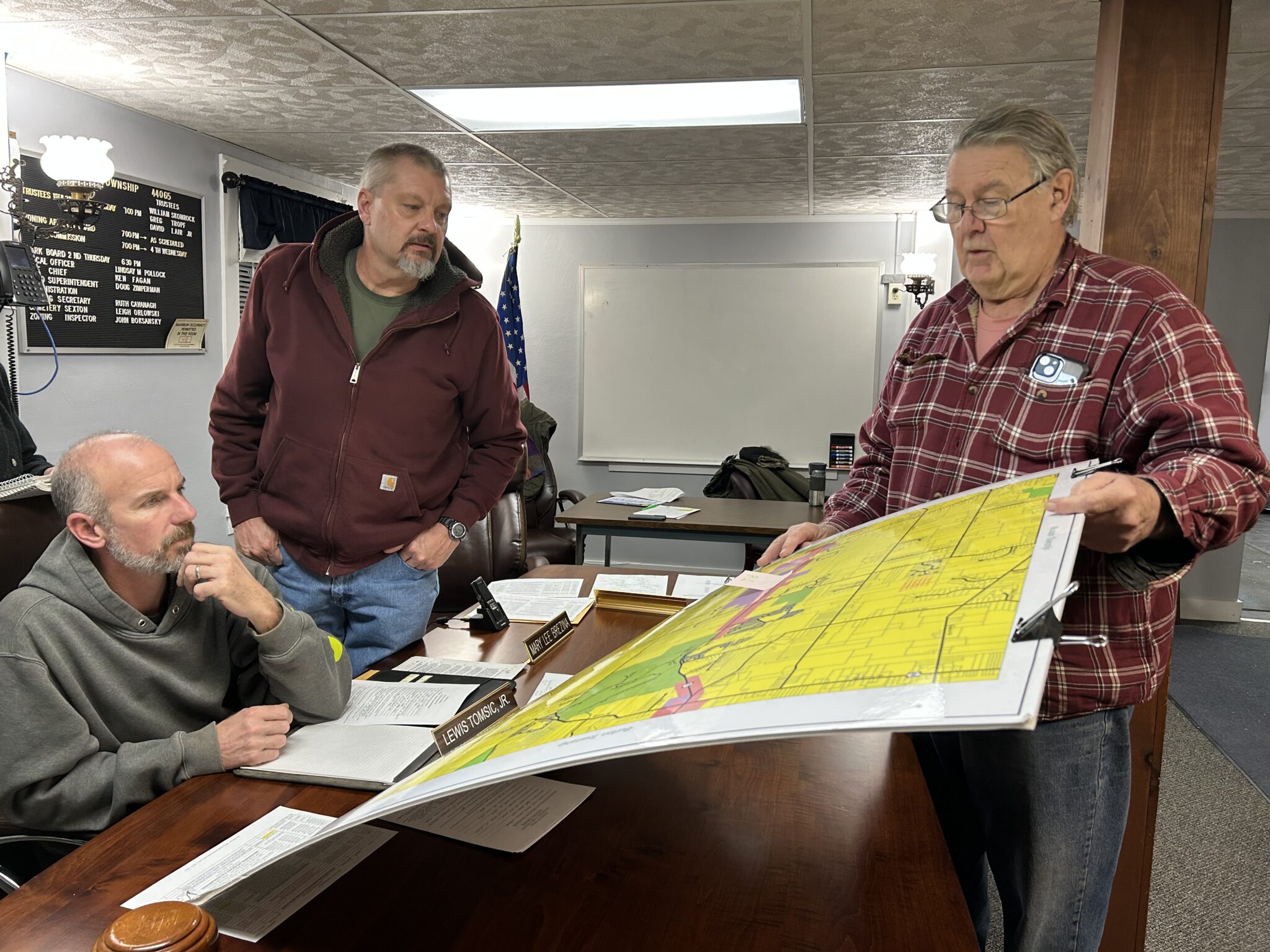
A zoning error made 64 years ago started the Newbury Township Board of Zoning Appeals on a quest for solutions at a Jan. 21 hearing.
A zoning error made 64 years ago started the Newbury Township Board of Zoning Appeals on a quest for solutions at a Jan. 21 hearing.
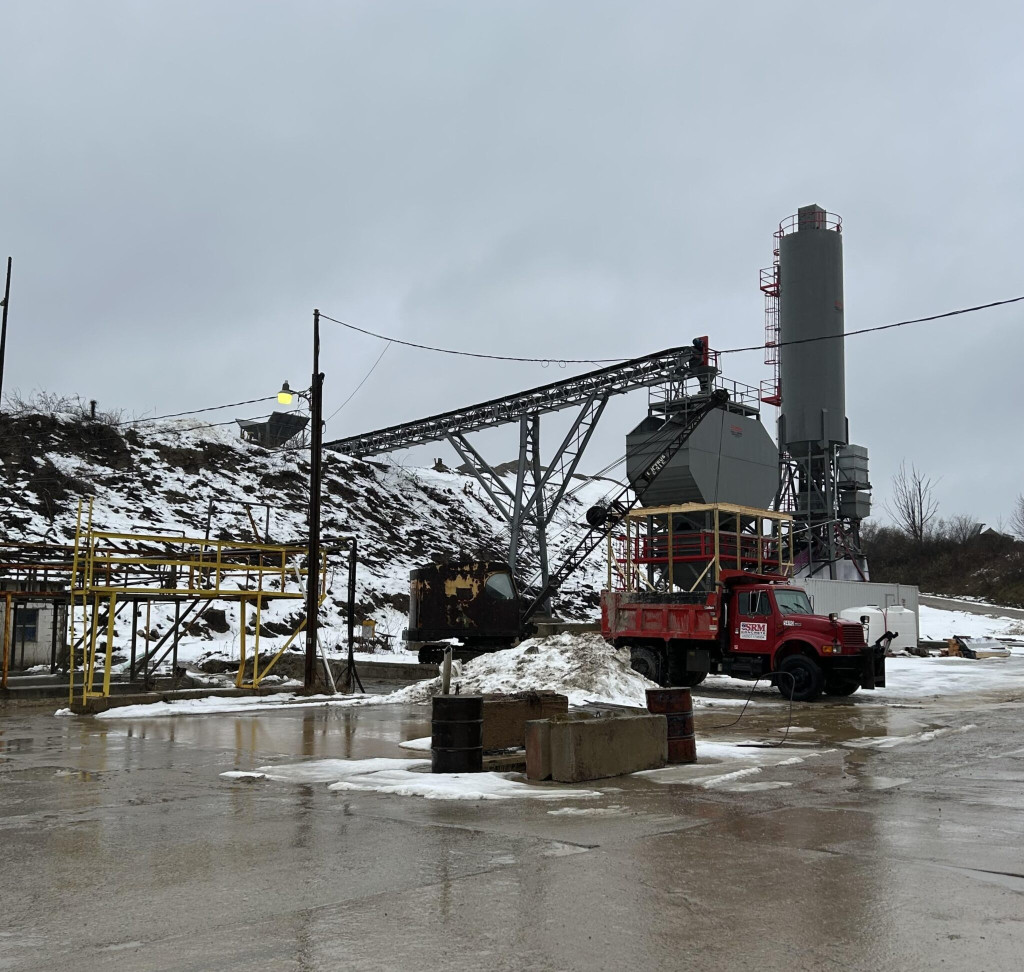
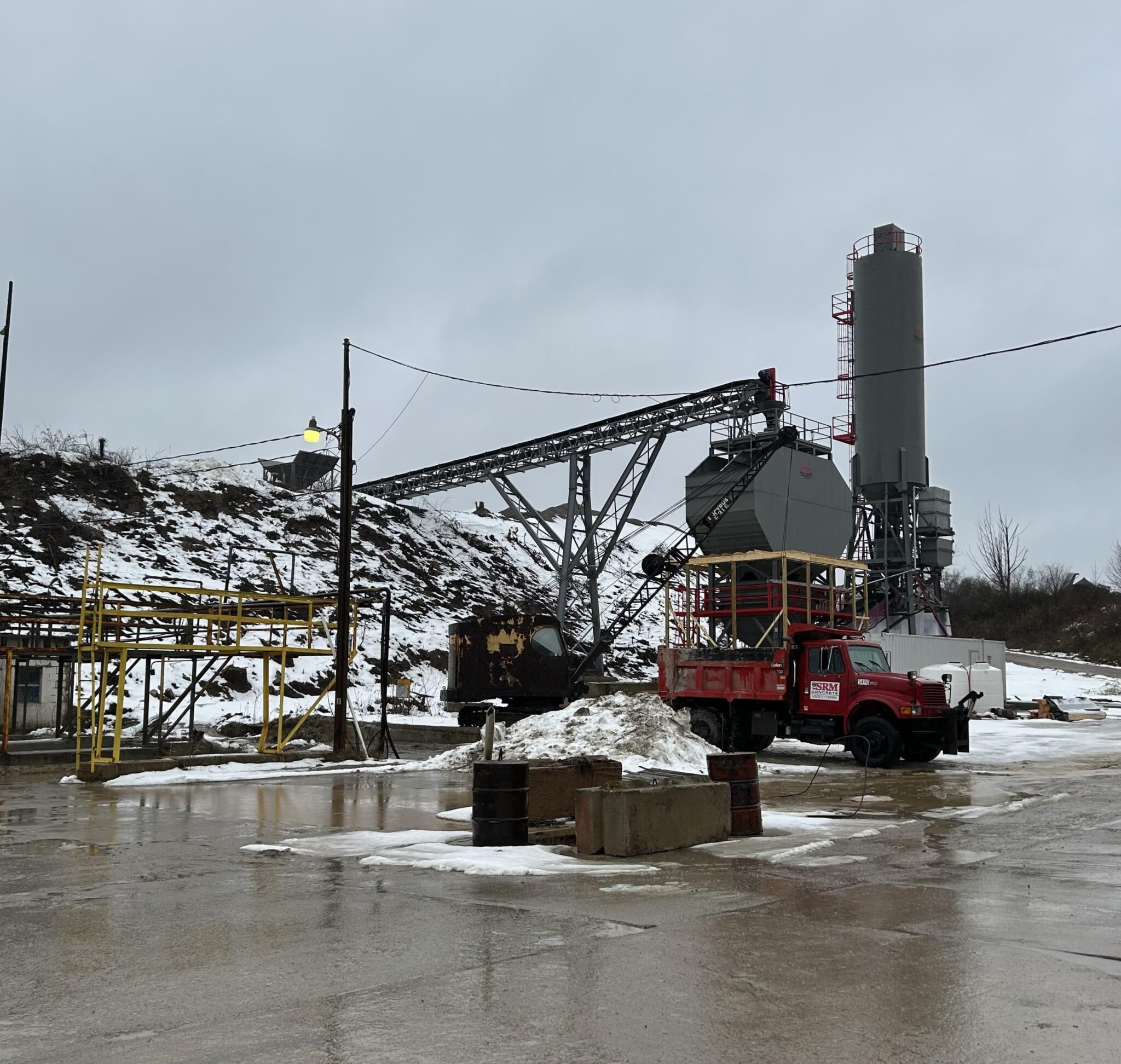
In 1961, R.W. Sidley Company built a concrete batching plant at 10740 Kinsman Road in Newbury. The local company operated it until selling it to SRM Concrete, headquartered in Smyrna, Tenn., in February 2024 for $273,600, according to the Geauga County Auditor’s Office website.
The three parcels attached to the plant, all under the name of Hollingshead Materials, LLC, add up to 14.73 acres and have a combined market value of $1.2 million, according to the GCA website.
Other structures include an office/sales/maintenance building and an ancillary building in poor condition.
Township Interim Zoning Inspector Mike Joyce told the BZA when SRM CEO Jeff Hollingshead toured the Newbury Plant, he determined the batching equipment was unsafe and ordered a new plant to be built on the east side of the old plant.
The SRM property manager, who would have applied for the permits, apparently was not informed of the plan, so permits were never sought, Joyce said.
Although there were never any complaints about the 83-foot-tall building, it came to the attention of the previous zoning inspector, who recently resigned, Joyce said.
At the direction of the township trustees, that zoning inspector sent a letter to SRM saying their new building does not meet the township’s zoning resolution and may have to be removed, Joyce said last Wednesday.
“This was a Newbury error,” he said. “I researched it and agree it was a zoning inspector error (in 1961). That process is not permitted on that property. It’s an open case on my desk.”

The batch plant is an industrial use and the parcels are zoned for B1 business, Joyce said.
In addition, the building is 83 feet high and there is a height limit of 35 feet, he said, recommending the board deal with the height issue and the building’s location at a later hearing for an area variance request.
The board voted to acknowledge the 1961 zoning inspector, who was not named, made an error in approving the Sidley property, zoned for business use, to be used for industrial purposes.
Joyce, representing SRM, said the new owners, the Hollingshead family, are filing for a use variance and a limited area variance.
“I checked with the prosecutor. You can put limitations on what is permitted,” he told the board. “They bought the property because they thought it was clean. Now, we find there is a glitch in paperwork. The prosecutor said we can bring it forward because it was a 1961 error.”
Board Chair Lew Tomsic had reservations about acting on any applications without a company representative attending a hearing to answer questions.
“Normally, when someone sits in front of us, it’s because the zoning inspector has denied an application. We just did that. We denied an application from 1961. Now, they are asking for a use variance. We almost can’t turn this down — (the plant) has been there for 63 years,” he said. “I’m struggling with the use variance.”
Board member Ed Meyers said the circumstances are unusual and further action must be carefully considered.
Joyce noted the plant is still in operation.
“They are allowed to batch what they were batching,” he said, adding the height is illegal and would be illegal even if the plant was 500 feet from the road, where industrial zoning begins.
Tomsic said variance limits are necessary.
“We have no idea how they are going to run this business. No one is here to tell us,” he said.
The facility includes crushing and recycling concrete but, in the past, the Sidleys included other operations, Tomsic said, adding concrete products and Mack trucks have been sold on the property.
Tomsic predicted SRM may be asking for a broader use in a variance.
Joyce said he didn’t know much about the operation.
“I assumed batching encompassed the whole thing,” he said.
Tomsic said the board needs to talk to SRM representatives before considering a use variance, which goes with the property.
“It’s complicated. We’re basically trying to grant a use variance from 1961,” he said. “If we approve a use variance tonight, we have zero control over that property forever. I want to do this so it fits their business and gives them room to grow.”

Board member Mike Fenstermaker agreed.
“We need to find out what they want to do and how many uses they need — not just a batch plant,” he said.
Tomsic said cooperation is warranted.
“As much as I hate a use variance, I’m willing to work with them to make this right,” he said, adding he wants SRM’s name on the applications.
“Then we can dial in some kind of use variance that will work for them,” he said.
Joyce said he will ask SRM to attend the BZA meeting Feb. 25 and the board continued the hearing until then.
Contacted by phone Jan. 27, SRM Manager of Properties Brian Hercules said he will be attending that meeting and the company has plans to clean up the site and add some landscaping.
Board members mentioned at the meeting that concrete has been crushed at the site. Hercules said mobile crushing equipment is brought in occasionally to crush reclaimed concrete, but it is not part of the operation.
According to its website, SRM Concrete is a family-owned and operated ready-mix, aggregates and cement company founded in 1999 by Mike and Melissa Hollingshead.
Their son, Jeff, is the company CEO and his brother, Ryan, is president of SMR’s materials division. The story of SMR’s growth from a ready-mix plant in the family’s back yard to 560 plants and 27 quarries in 22 states can be found online at SRM Concrete | Quality Concrete, Unmatched Service.


