


Breeding, raising and selling roaches may seem like a dubious business, but it is one Vince Lucarelli is pursuing with fervor on Munnberry Oval in Newbury Township.
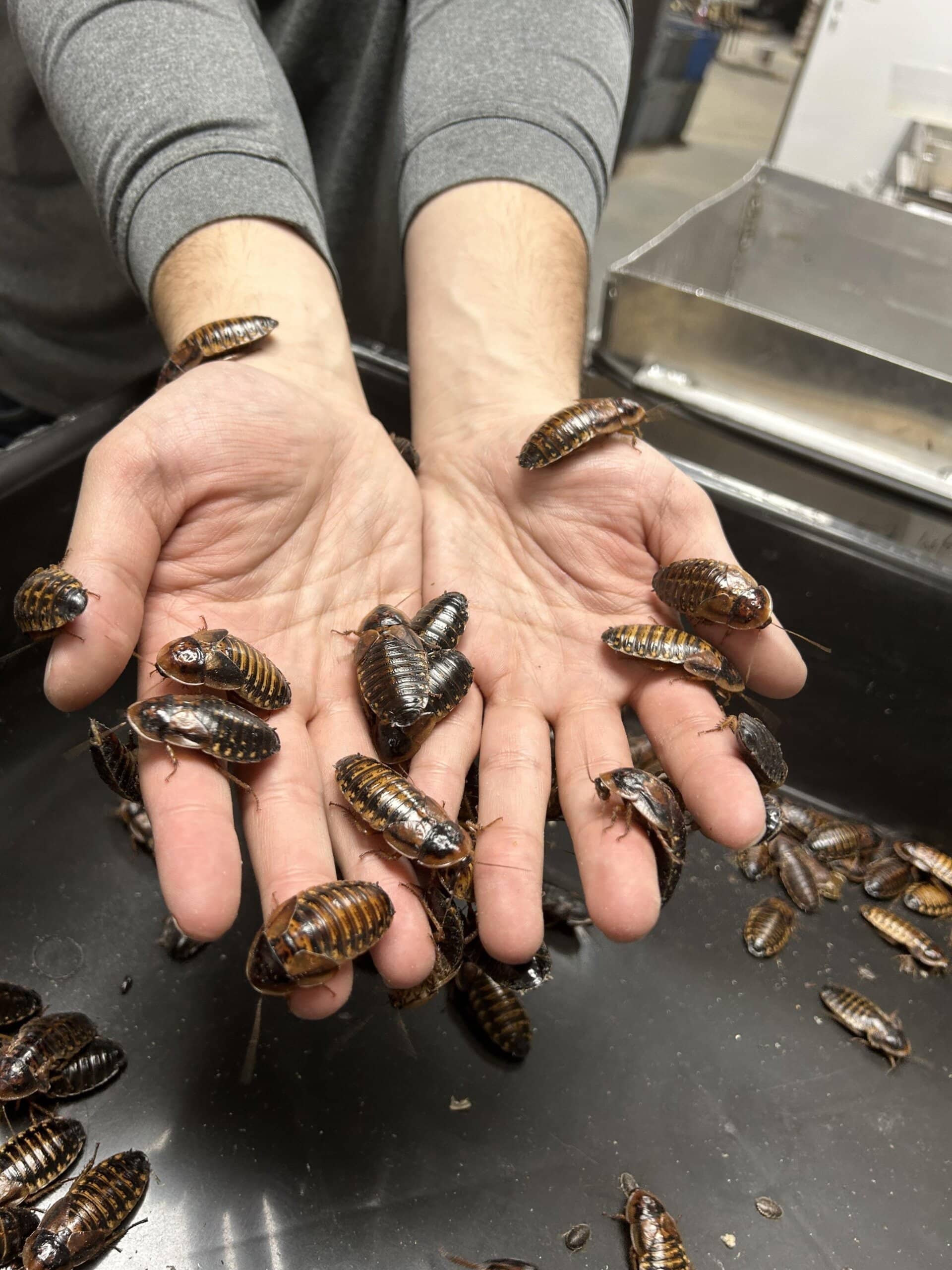
Breeding, raising and selling roaches may seem like a dubious business, but it is one Vince Lucarelli is pursuing with fervor on Munnberry Oval in Newbury Township.
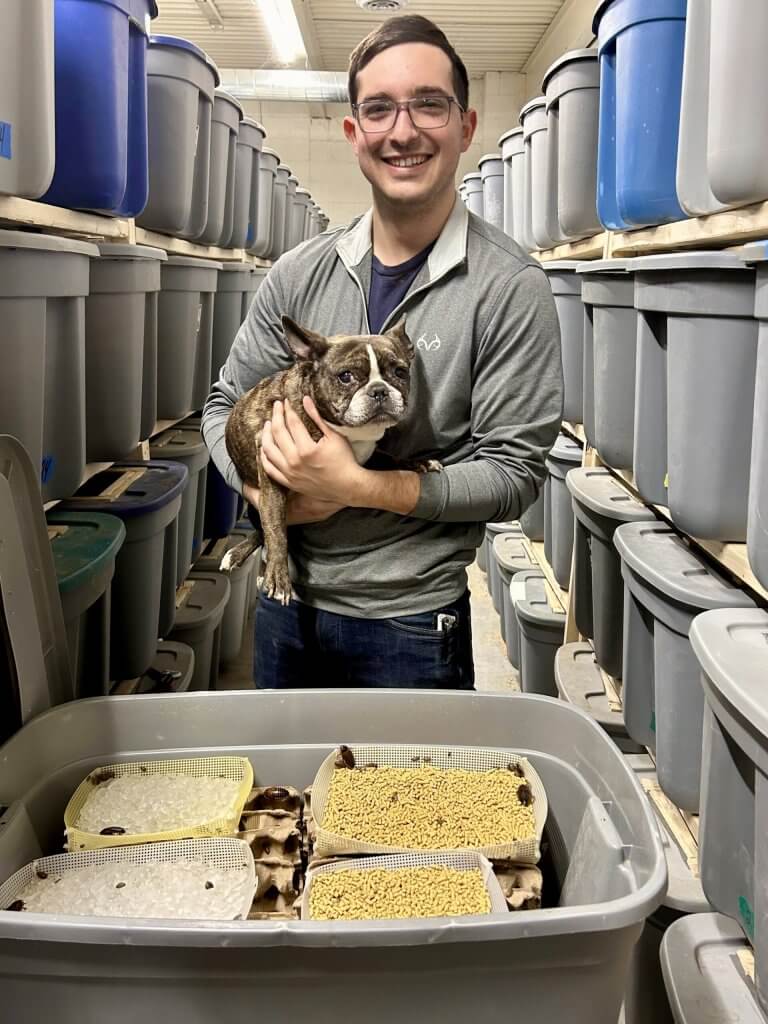
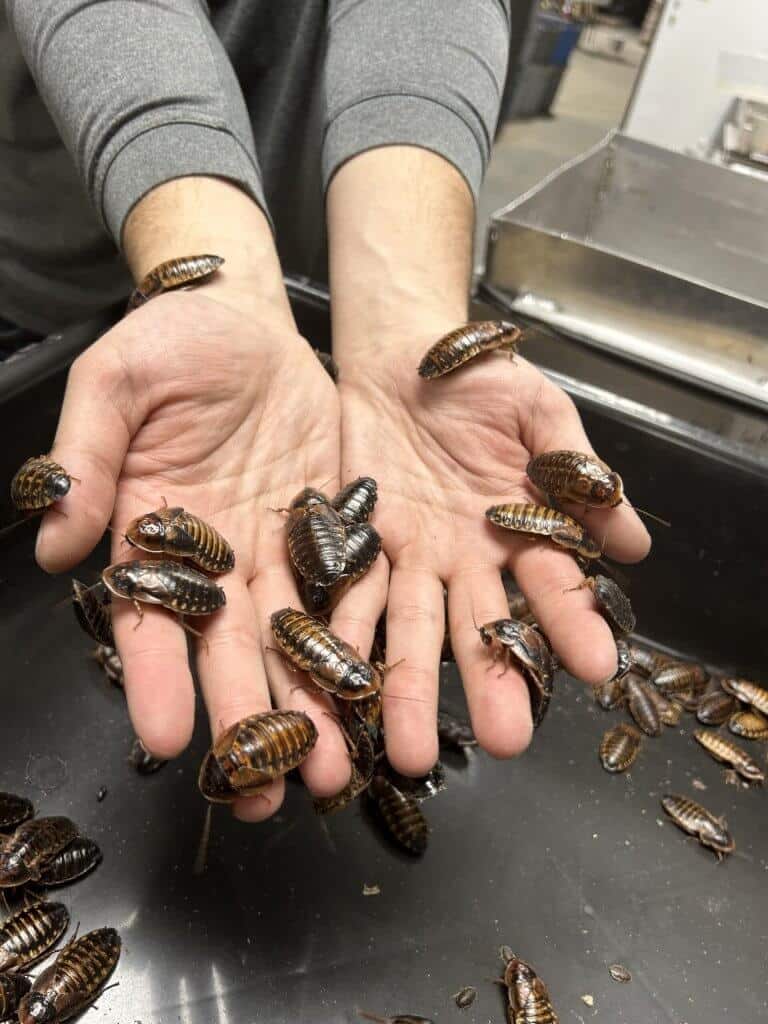
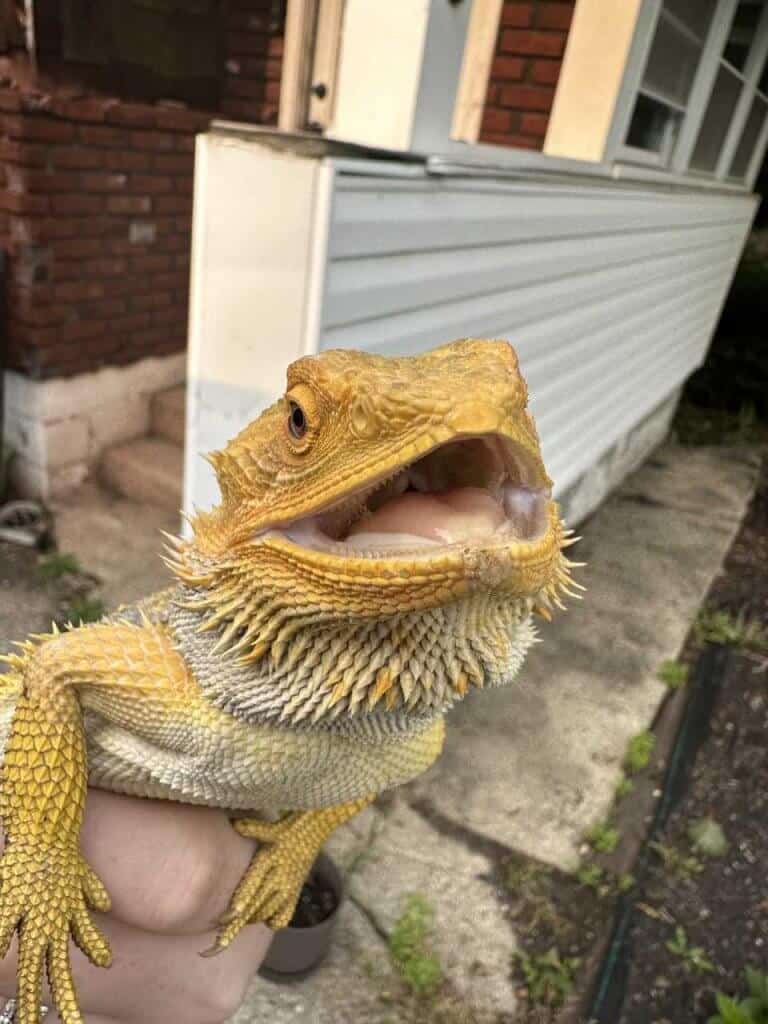
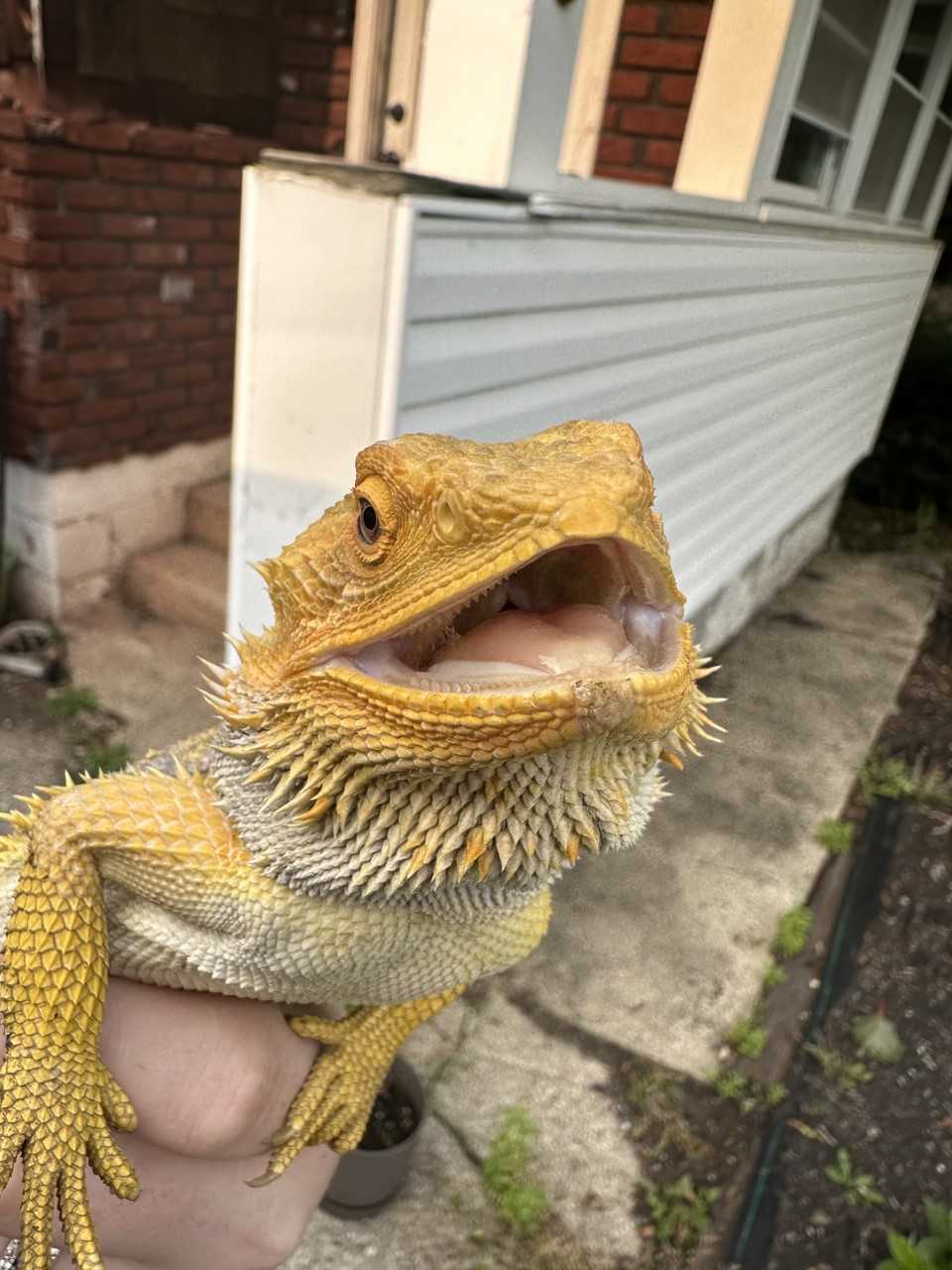
The long-abandoned warehouse and office building at the corner of Kinsman Road is home to millions of dubia roaches that will provide scrumptious meals for bearded dragons — reptile pets that became popular overnight when everyone was staying home during the COVID-19 pandemic, he said during a tour of the 20,000-square-foot building in March.
“When COVID hit, everything went e-commerce. We were set up perfectly for it,” Lucarelli said.
All About Feeders was born in the family cellar in 2017 when his two bearded dragons multiplied to 100 hungry mouths to feed, said Lucarelli, 26.
”We had a basement full of bearded dragons,” he recalled.
Since then, he moved the operation to a pole barn in Auburn Township, sold most of his dragons — which can grow up to two feet long — and invested in the Newbury property.
Heat, humidity and a distinct odor greet a visitor to the facility’s unfinished entryway. The first two are necessary to breed and grow healthy Blaptica dubia.
“You get used to the smell,” Lucarelli said, explaining he was laid off from his job at Nestlé USA in Solon along with about 200 other workers, so now he can concentrate on his roach farm.
“Plan B turned into Plan A,” he said, adding market competition and a decline in demand has affected All About Feeders in the last year.
Plans to renovate the office space went on the back burner and feeding the hundreds of blue totes full of dubia bugs took main stage.
Lucarelli is confident the market for the mature, quarter-sized bugs will improve.

“We had a budget for this place — now we’re re-budgeting. We’re surviving,” he said. “It’s all about riding the wave.”
Many people with reptiles feed crickets, but Lucarelli prefers the roaches.
“They are better than crickets. They don’t smell and there’s no noise,” he said. “With crickets — you buy them and the next day, they are all dead.”
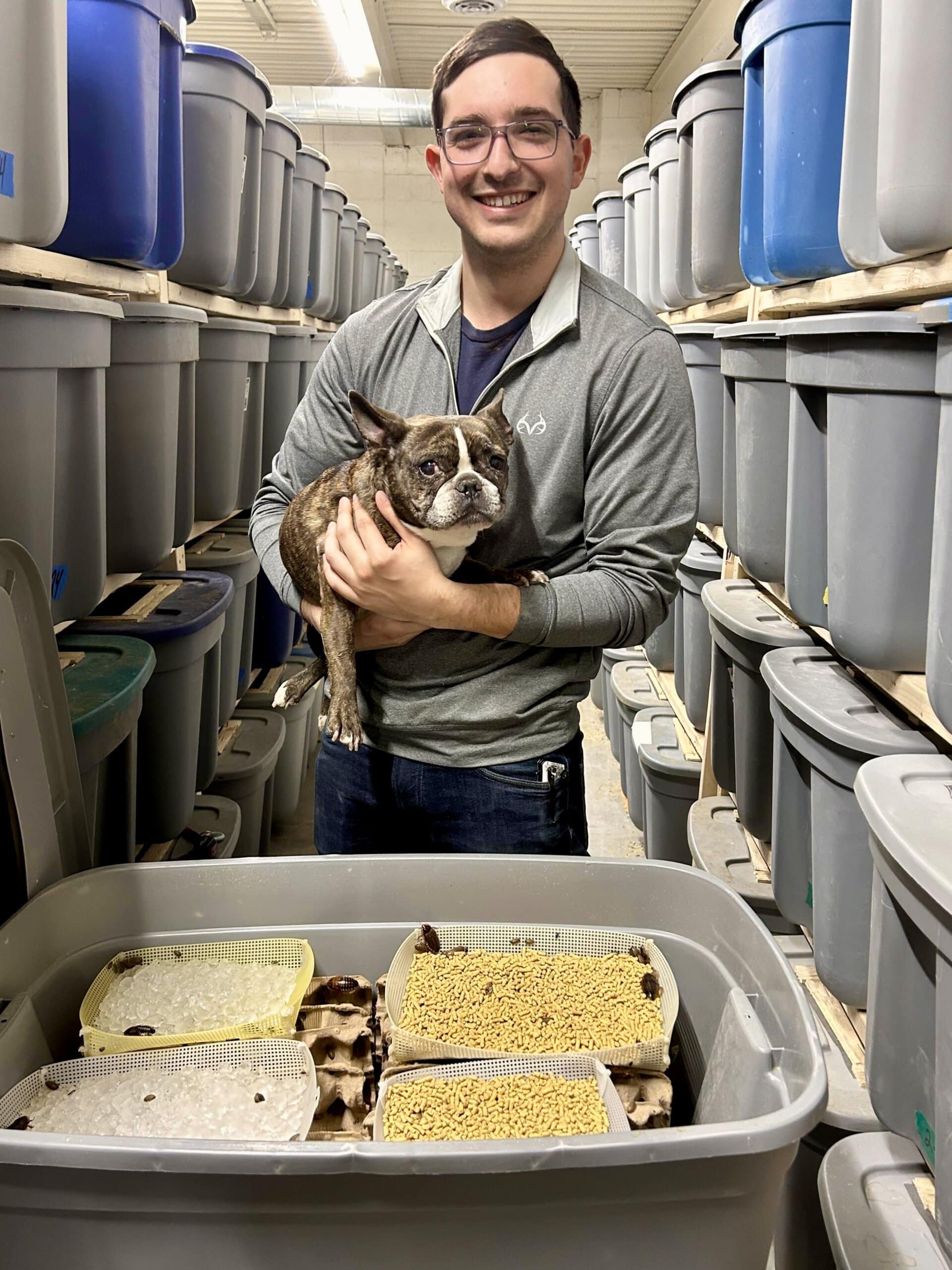
The warehouse is filled with about 1,000 totes on high shelves filled with dubia roaches in various stages of development, adding up to about 10,000 shipping containers of live bugs, Lucarelli said.
Keeping them fed with custom roach feed, which is primarily corn and high levels of vitamins without pesticides, keeps him busy. He said he is careful about making sure the feed is high quality after having to toss out a ton of low grade food.
Each tote has a colony of buffalo beetles busy cleaning up the dubia roaches that die. Lucarelli estimated he loses as much as 30% of his stock between the time the young are placed in the totes until they are shipped all over the world.
The shipping containers are loaded with water gel and food. In the winter, heat packs are needed and in the summer, the boxes are well ventilated so the dubias arrive in good health, he said.
Part of the operation is dedicated to raising a kind of reptile delicacy.
“Horn worms are a treat for reptiles. They can snap a bearded dragon out of a hunger strike,” Lucarelli said.
He and Megan Ives, who described herself as a roach farmer, are experimenting with raising silk worms, as well.
“They are up-and-coming as feeders,” Lucarelli said.
Originally from Asia, they have a poor immune system and have essentially died out in the wild. Domestic silk worms are also a reptile goody that could help boost profits for All About Feeders, he said.
Lucarelli said his father, Tony Lucarelli, is also his partner and operations manager.
They are using the revenue from the early success of the business to keep it going until the next big wave, the younger Lucarelli said.
“It’s been a really big investment for us,” he said.


