


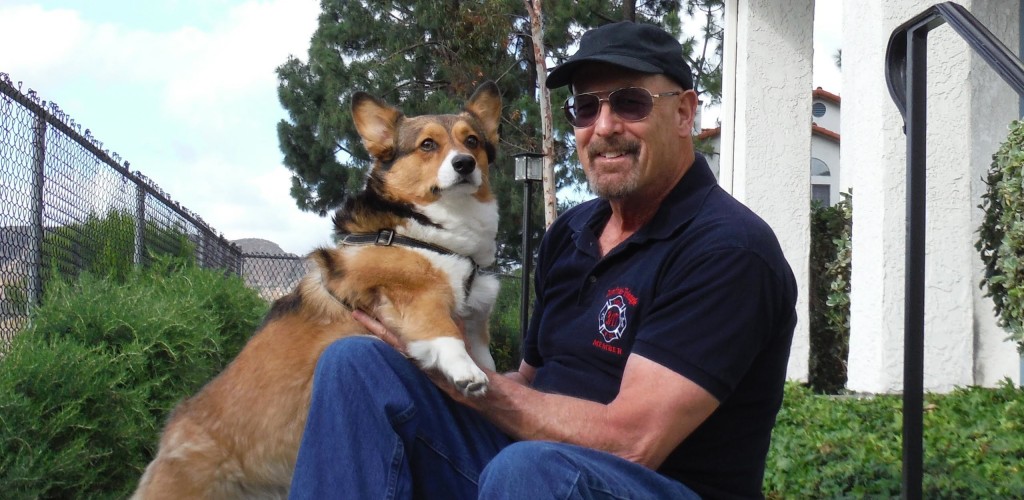
For Larry Lindsey, April 6, 1945, is a day that has forever been etched in his memory.Three separate events -- involving three people close to…
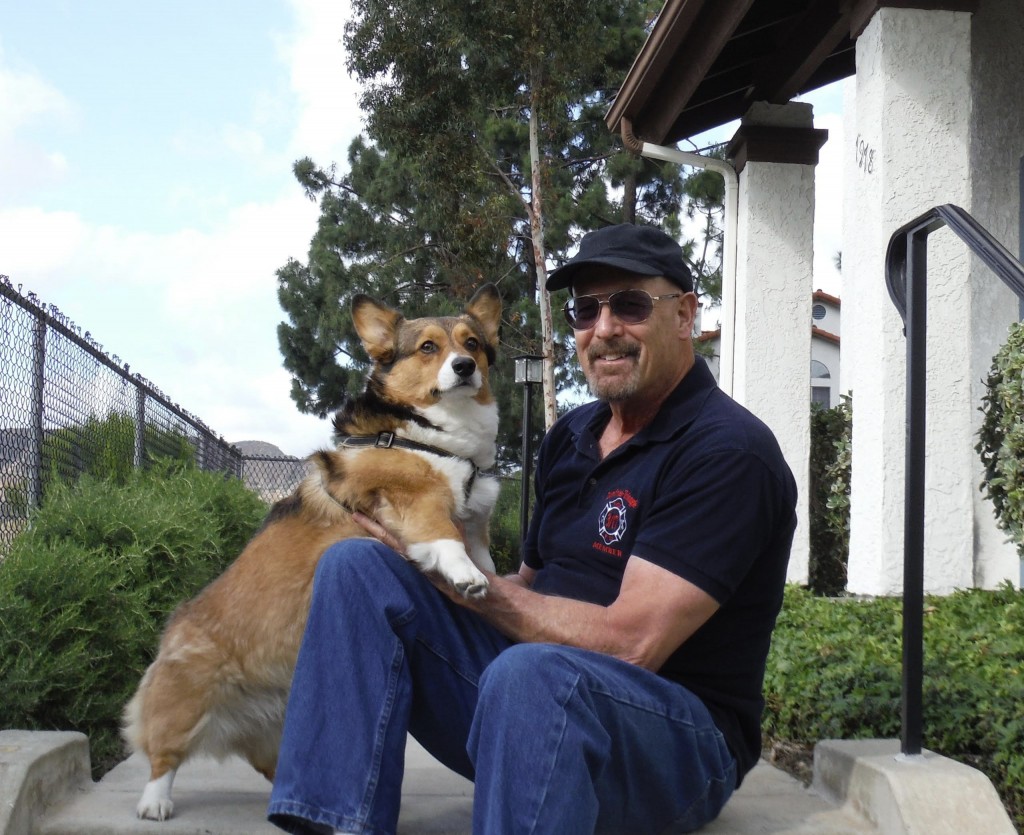
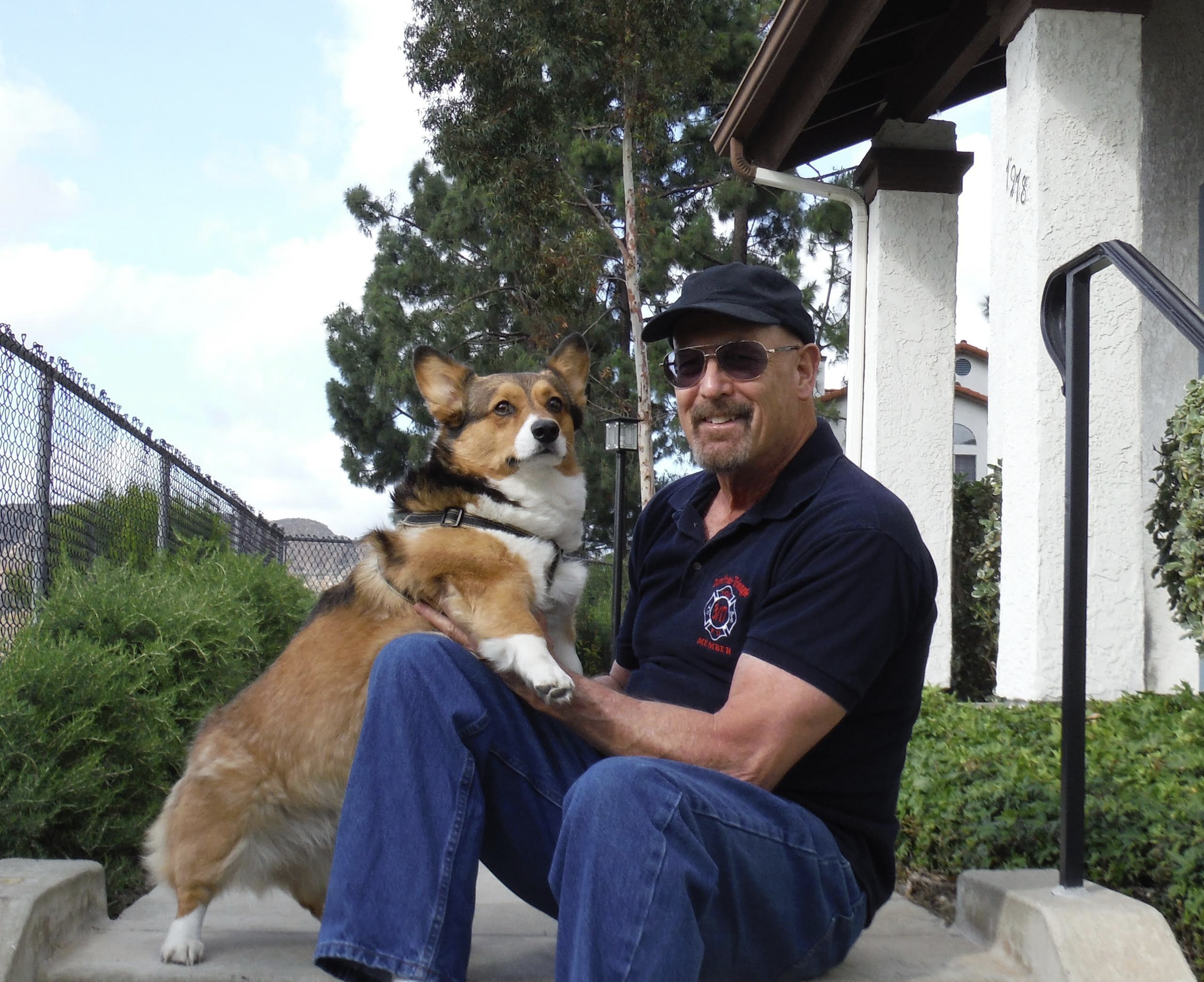
For Larry Lindsey, April 6, 1945, is a day that has forever been etched in his memory.
Three separate events — involving three people close to him — that took place that day during World War II helped spark the creation of “Stump! The Naked Warrior.”
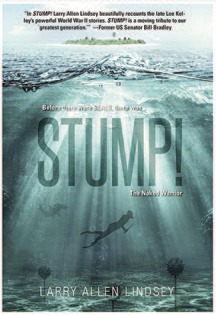
The historical biography regales readers about an American World War II hero and frogman, Lee “Stump” Kelley, who Larry, native of Thompson and Russell townships, befriended a decade ago in San Diego.
The tale began to unfold after Larry’s father, Robert C. Lindsey, passed away from pancreatic cancer in 1998.
Robert was superintendent of Ledgemont Schools, West Geauga Schools and Chardon Schools during his lifetime. Northview Elementary School was renamed Robert C. Lindsey Elementary School in his honor.
When Larry was going through some of his father’s papers after his passing, he came across an official report indicating Robert personally was responsible for the surrender of 2,000 Nazi soldiers at the German town of Rinteln, located on the Weser river.
“He never talked about World War II,” Larry said during a recent interview. “It’s a lot like people who go through war-type experience; they don’t want to talk about it.”
Larry’s father-in-law, Dan Car-michael, also served in the Navy during the war, but never talked about it either, which inspired Larry to research his involvement as well.
Carmichael was a World War II flying ace — and also pitched in the first baseball game ever televised in America featuring Columbia and Princeton.
“The funny thing was, my father had the Germans surrender on April 6, 1945, and on April 6, 1945, my father-in-law was engaged in the most intense kamikaze attack of World War II at Okinawa,” Lindsey said.
But it wasn’t until Larry met Kelley that it all came together, he said.
Larry recalled that day when Kelley, who was born in Elyria to vaudevillian parents, was walking his dog in San Diego.
“He said, ‘Hey, big guy, I see you got a Corgi — great breed.’ He was a garrulous kind of guy and we just hit it off,” Larry said.
Over the years, Kelley began to open up about his years in the Navy and how he lost his best friends during the war.
“And then he mentioned the fact he was in Okinawa,” Larry said. “And on April 6, when the kamikazes hit, he had to fill in as a backup loader on a 40 mm and I’m thinking there he is on a 40 mm gun on a ship shooting up at the kamikazes and my father-in-law is up in the sky shooting down on the kamikazes, and my father is getting 2,000 Nazi soldiers to surrender all on the same day!”
It was that moment Larry decided to write a book about the three of them.
“I thought, well that’s kind of strange, that one day in the war, so I started writing a book along those lines and then Lee got sick,” Larry said. “He developed pancreatic cancer, as did my father, and I started taking care of him for his last few days, and as he got worse and worse, I decided, ‘Well, Lee deserves a standalone book,’ so I pulled his portion out and titled it ‘Stump!’ So, I have the second portion, which I’m going to call ‘Danny Boy and the Turk,’ about my father and my father-in-law, on two different theaters of the war.”
Kelley got the nickname “Stump” due to his short stature.
Stump was short and powerful, Larry said. He used to play hockey and like many young hockey players, bore the scars. He had stitches in his chin and broke his orbital socket. But he also was a champion swimmer.
“If he stretched his neck, maybe he could reach 5′ 6″,” Larry said, adding Stump’s two buddies in the war — Hillbilly and Frenchie — were 6′ 2.”
“They were two tall timbers with a stump in between whenever they took a picture,” Larry said.
The novel is about how Kelley, who was a frogman (pre-SEAL underwater demolition training), lost one of his best friends in a gruesome explosion at Tacloban and then a month later, lost his second in a freak encounter with a giant hammerhead shark at Manila Bay.
After moving to Okinawa with what was left of his frogman team, he suffered serious burns during the largest kamikaze attack of the war.
Unlike Seals, frogmen — who were dressed only in thin shorts and masks, hence the name ‘Naked Warriors’ — were not combat troops involved in physical fighting, although they did come under fire.
Larry said it took Kelley awhile to open up about these stories because like Robert C. and Carmichael, Kelley was reticent to talk about his experiences in the war.
“But since we were kind of brothers in arms, me in Vietnam, he in World War II, we sort of had a lot of things in common,” Larry said, referring to his own time served in the U.S. Navy where he spent two years on a World War II ship going up and down the rivers of the Mekong Delta in Vietnam.
He said he is looking forward to his second book coming out as well, which will talk about his father-in-law and his father, whose nickname was “Turk.”
Larry, who went to both Thompson and?West Geauga schools, said his father “put his heart and soul into West Geauga and he made the school a top notch school.”
“So, he was well known in the area and, of course, it caused me a few problems — the superintendent’s son — oh boy,” he said. “He pushed education; he always considered the youth our greatest resource.”
Larry recalled when he was faced with the draft and how his father, who landed in Normandy with Gen. George Patton, was none to pleased.
“He told me in no uncertain terms, ‘I didn’t spend three years traipsing across western Europe for my number one son to be yanked off to a rice paddy,” Lindsey said. “So, he said, ‘If you’re facing military service, you’re going into the navy.'”
Larry, who said he has traveled all over the world, has fond memories of growing up in Geauga County.
“I remember just how friendly and people-oriented it is back there,” he said. “I like San Diego and the California lifestyle, but it’s based on things and places out here. It’s not people oriented. You have possessions.”
Added Lindsey, “Back there, you went places together, you had dinner together, you played Bridge.”
That might have been due to the weather, he surmised.
“As I remember living there, between November and May they didn’t sell color film because there was no color,” Lindsey said with a laugh. “Especially when I was in Thompson, I can remember we had whiteouts and eight feet of snow was no problem. You throw eight inches of snow here in San Diego and it’s the apocalypse.”


