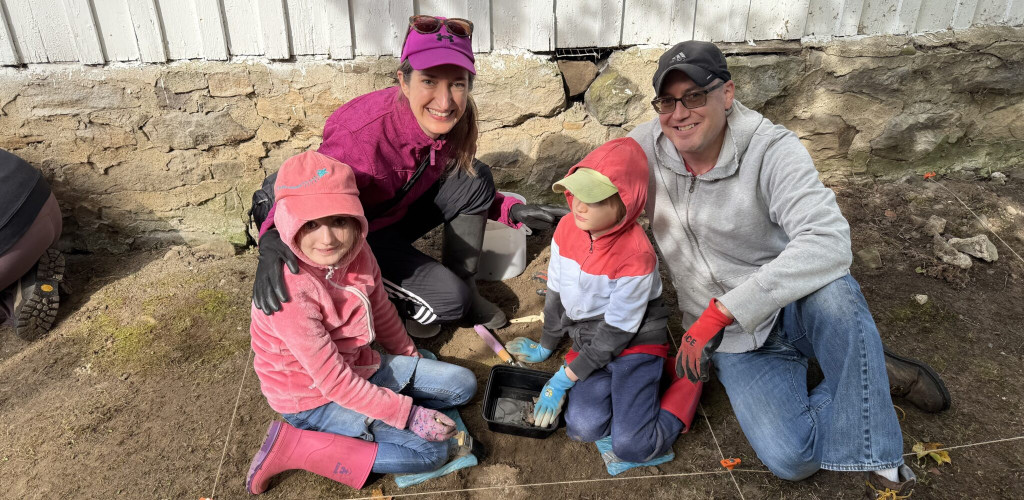
Archeologists for a day dug in Sept. 27 for a chance to unearth rich history in Newbury Township.
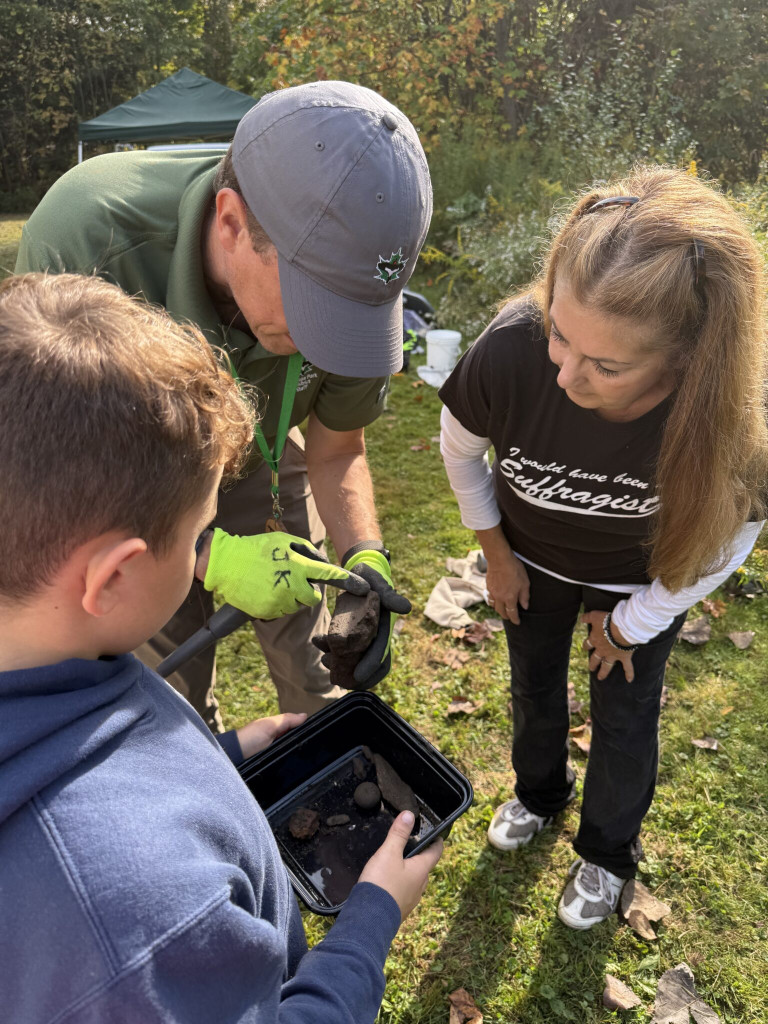
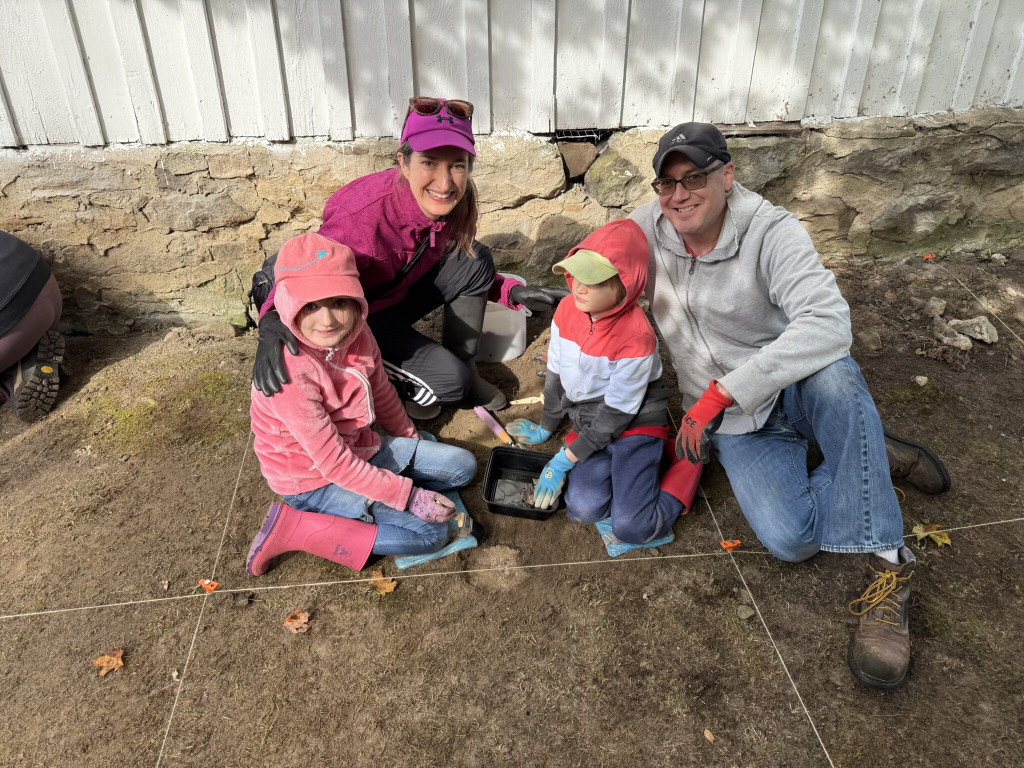
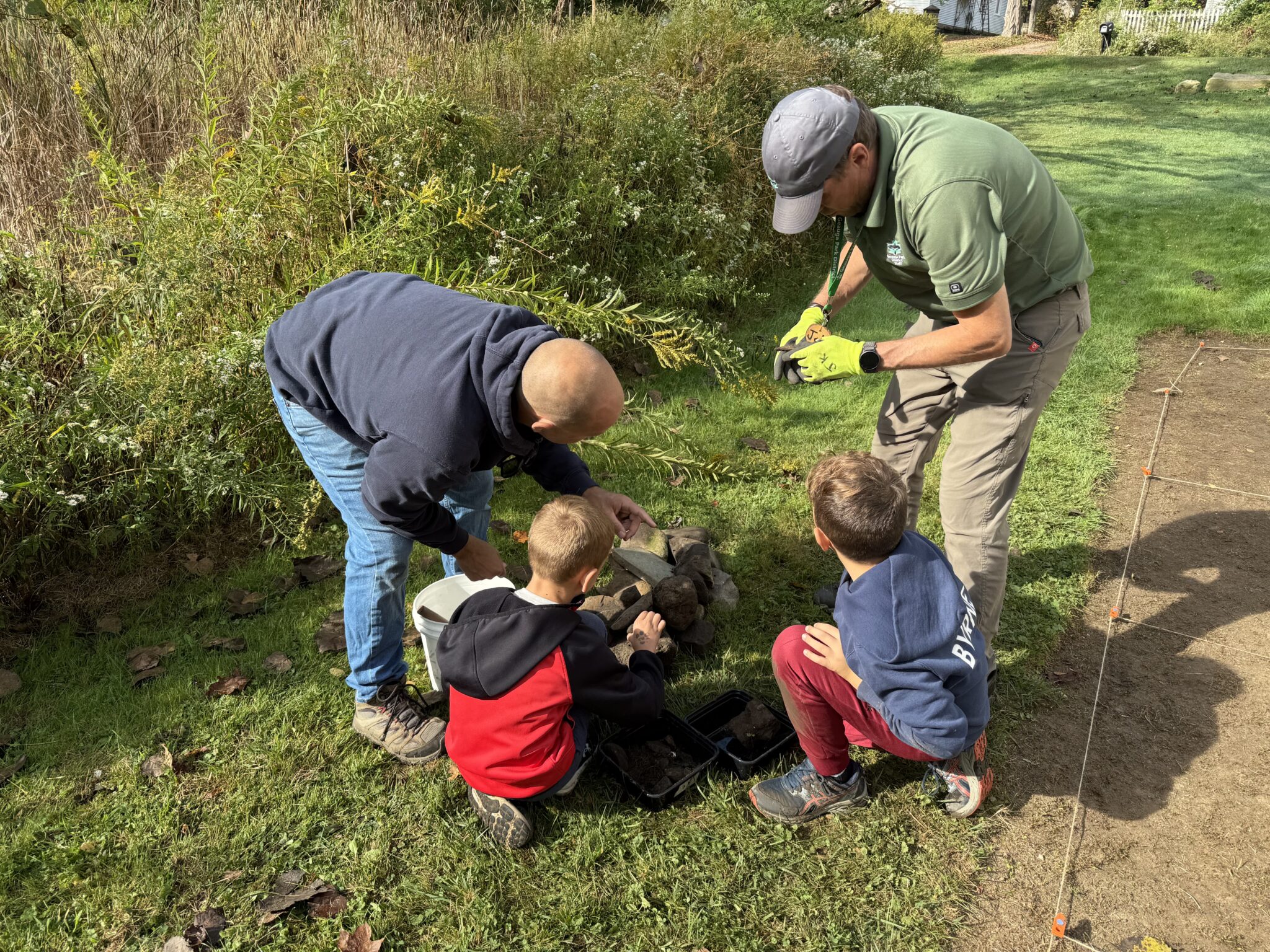
Archeologists for a day dug in Sept. 27 for a chance to unearth rich history in Newbury Township.
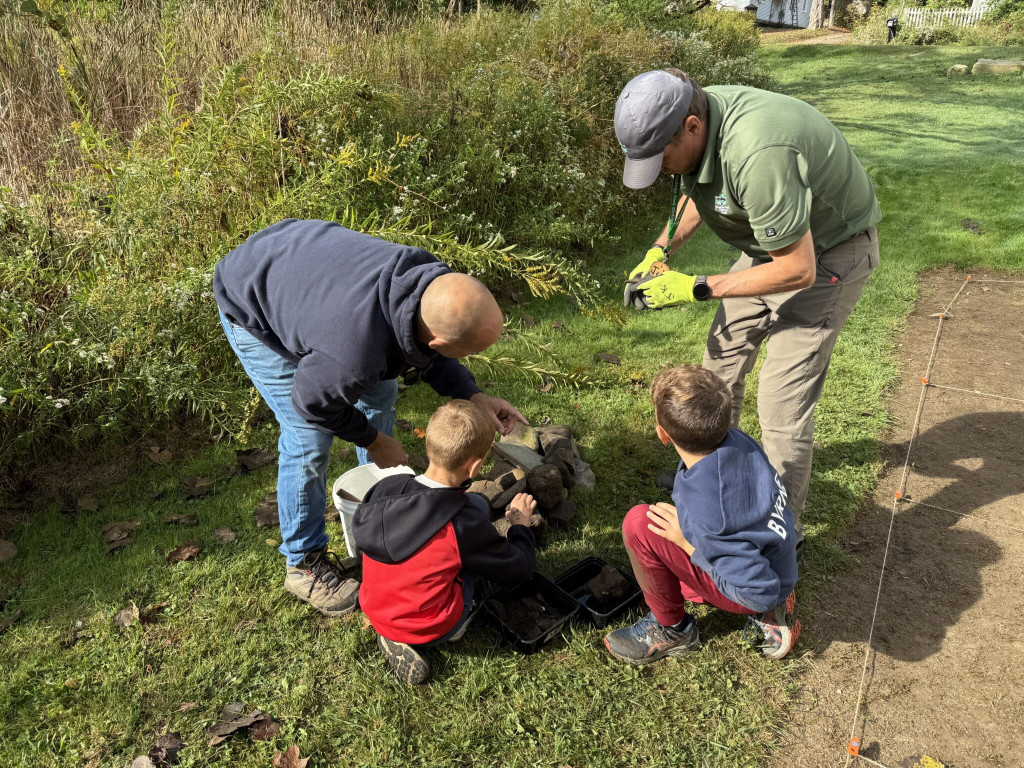
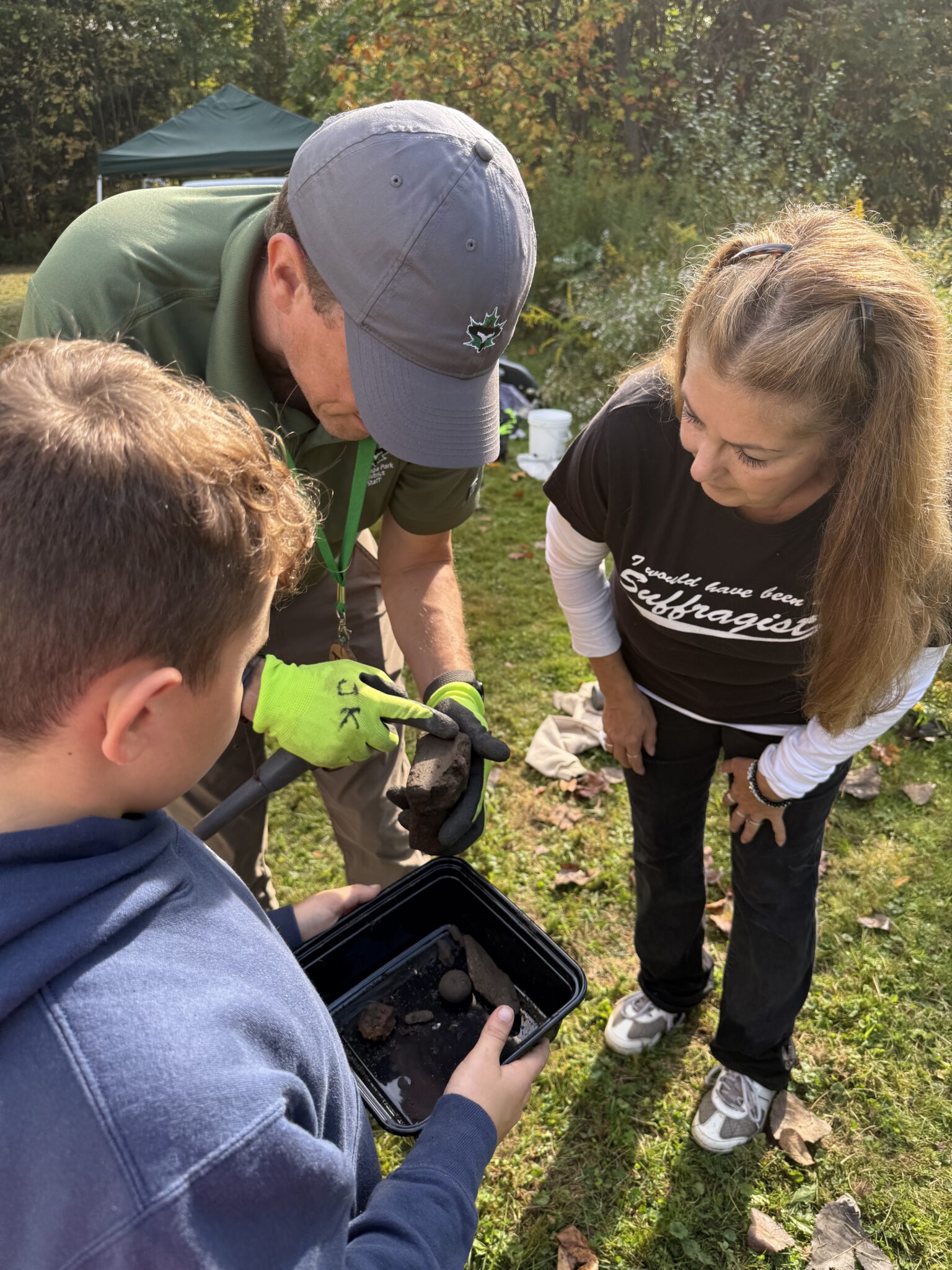
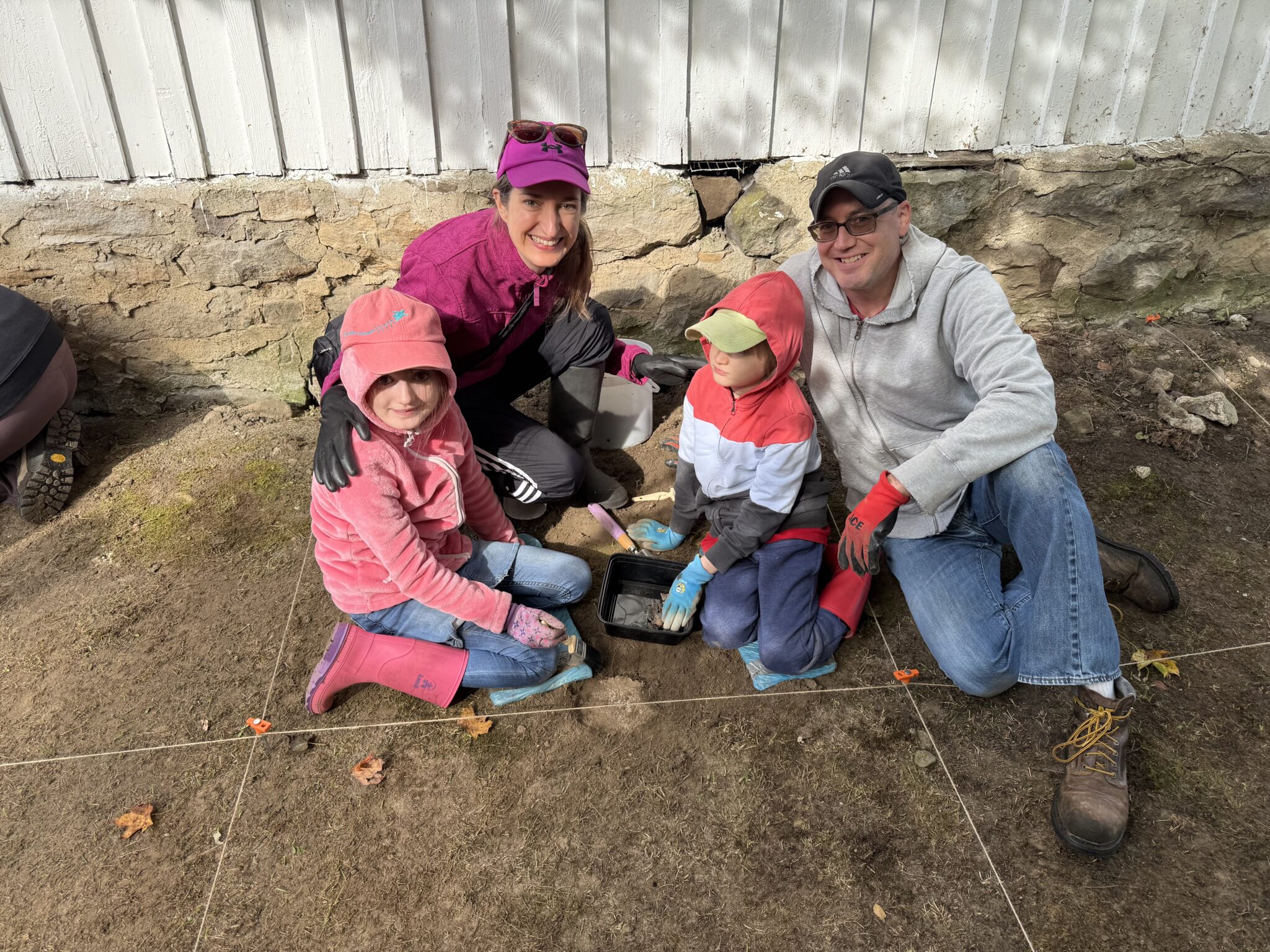
Geauga Park District visitors gathered on a splendid morning for the first of the day’s free archaeology programs, Nature Explorers: Adventures in Archaeology, for ages 6–11 with an adult, held at South Newbury Union Chapel, 15829 Ravenna Road.
GPD Chief Naturalist John Kolar led the program alongside Geauga County historian Bari Oyler-Stith.
“First and foremost, we hope that participants will learn more about the rich history of the Union Chapel,” Kolar said. “Another goal is to help participants learn more about the science of archaeology by participating in an archaeological dig.”
While GPD owns the land surrounding the chapel, the chapel itself belongs to the people of South Newbury and is managed by a three-member board of trustees.
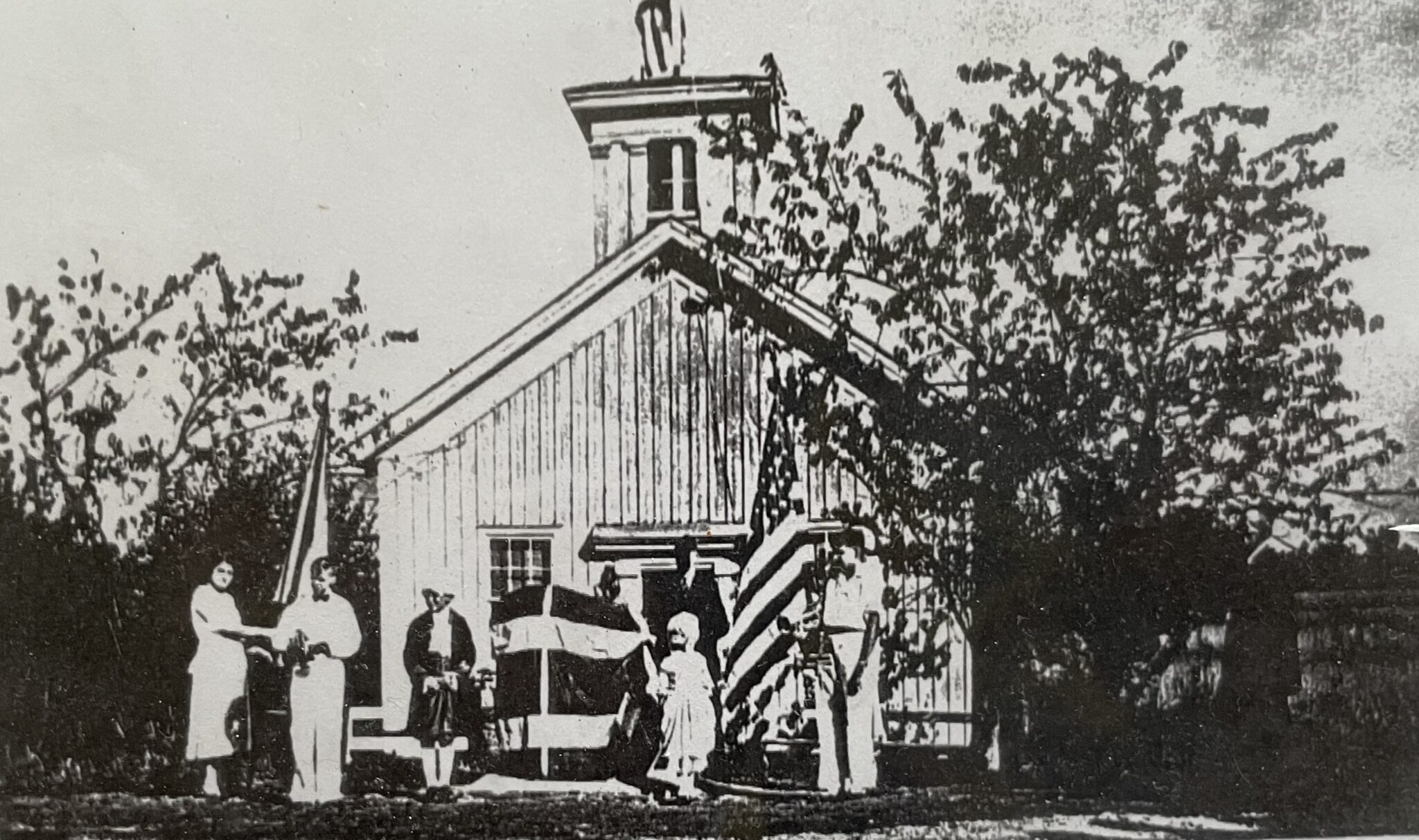
Stith explained that the excavation area lies within a 16.27-acre parcel purchased by Anson and Betsey Mathews from Lorin and Serintha Snow in December 1856 for $800. Community members then built Union Chapel on the Mathews’ land around 1858 and dedicated it to free speech.
On June 29, 1865, Anson Mathews leased the “public hall or meeting house” (now called South Newbury Union Chapel) to community members Darius Allen, Eleazer Punderson and Calvin Phelps “for the term of time, during the life or continuance of said house.”
The lease did not include the entire parcel, but only “the house and land on which said house stands together with the yard in front, and the privilege of the land around said house, to under-pin and keep the same in repair.”
The remaining 15.27 acres were sold to Mercy Hudson for $2,800. That acreage now makes up most of GPD’s Krehlik property—named for the family from whom the district acquired the land.
“We love our parks and park programs,” said Bill Rice, alongside his wife, Jennifer, and children, Evvy, 9, and Will, 7, as they searched for treasurers. “We are Geauga County residents in Chester Township and take advantage of all of the great resources in our community. I talk to people all of the time in my work at (University Hospitals) to let them know what a great community this is to live, work and raise a family — especially as we need more healthcare workers in our community hospitals.”

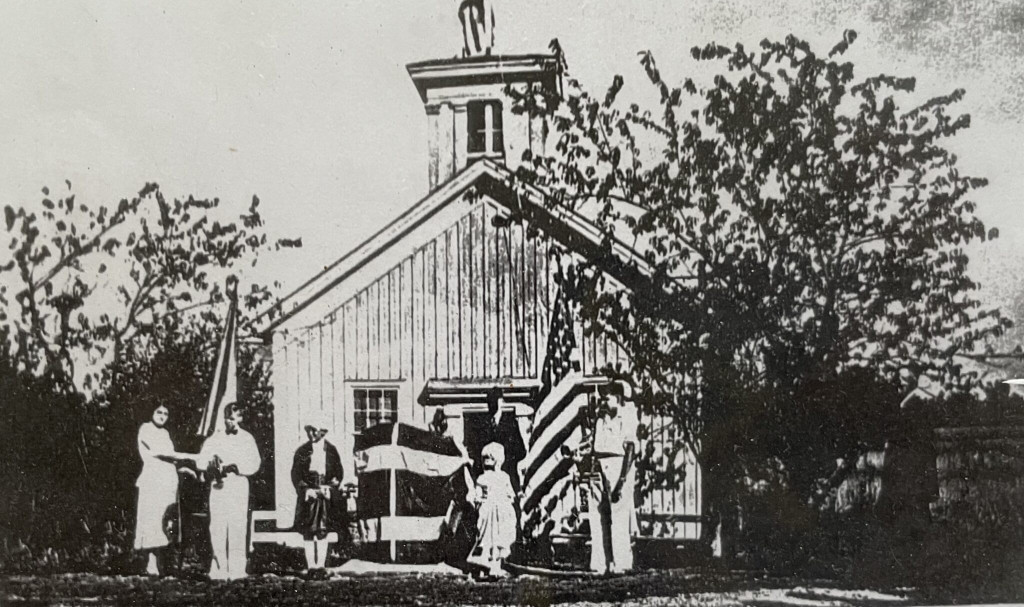
Kolar said the “Free Speech Chapel” is a small but powerful landmark in Ohio history, built in 1858 as a direct response to the silencing of free speech in the community.
“When James A. Garfield — then a young educator who would later become president — was disinvited from speaking at a local church because his planned remarks were apparently somewhat controversial for the day, local citizens took action and raised funds and built the chapel on land donated by Anson Mathews, with a charter declaring it open to all denominations and ‘all useful subjects,’” Kolar said.
From the start, the chapel stood as a symbol of free expression, reform and the belief every voice deserved to be heard, he said.
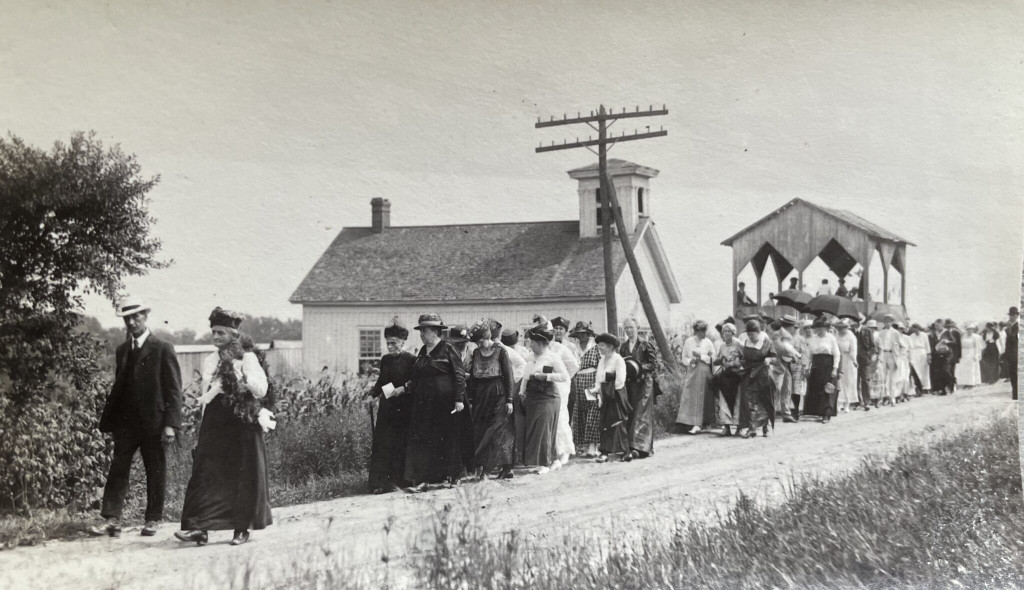
Over its history, South Newbury Union Chapel hosted numerous nationally known reformers and orators.
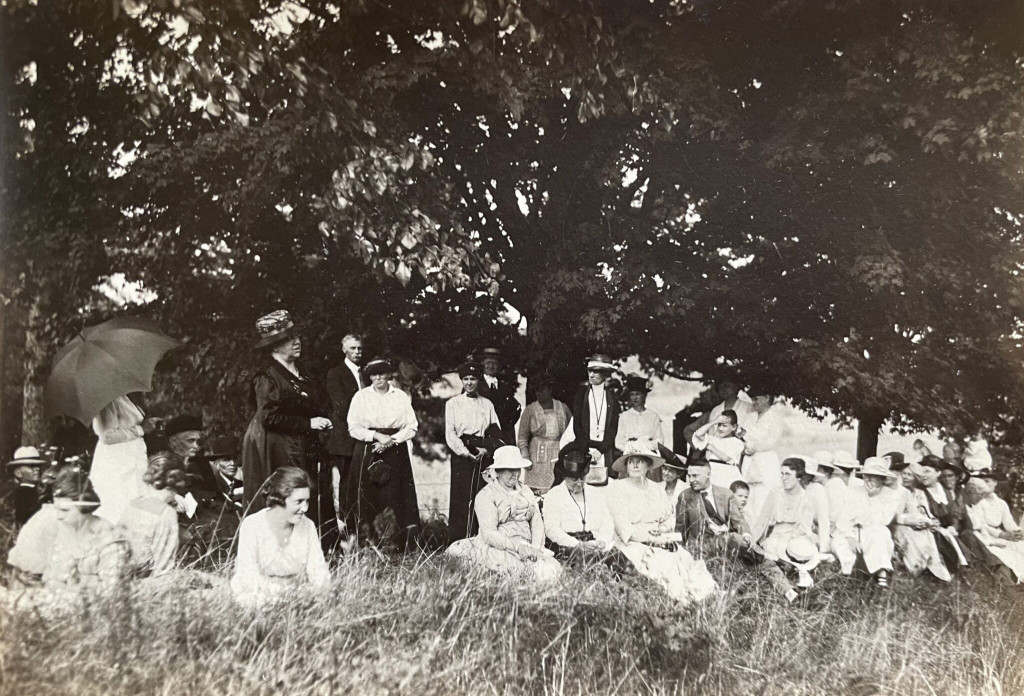
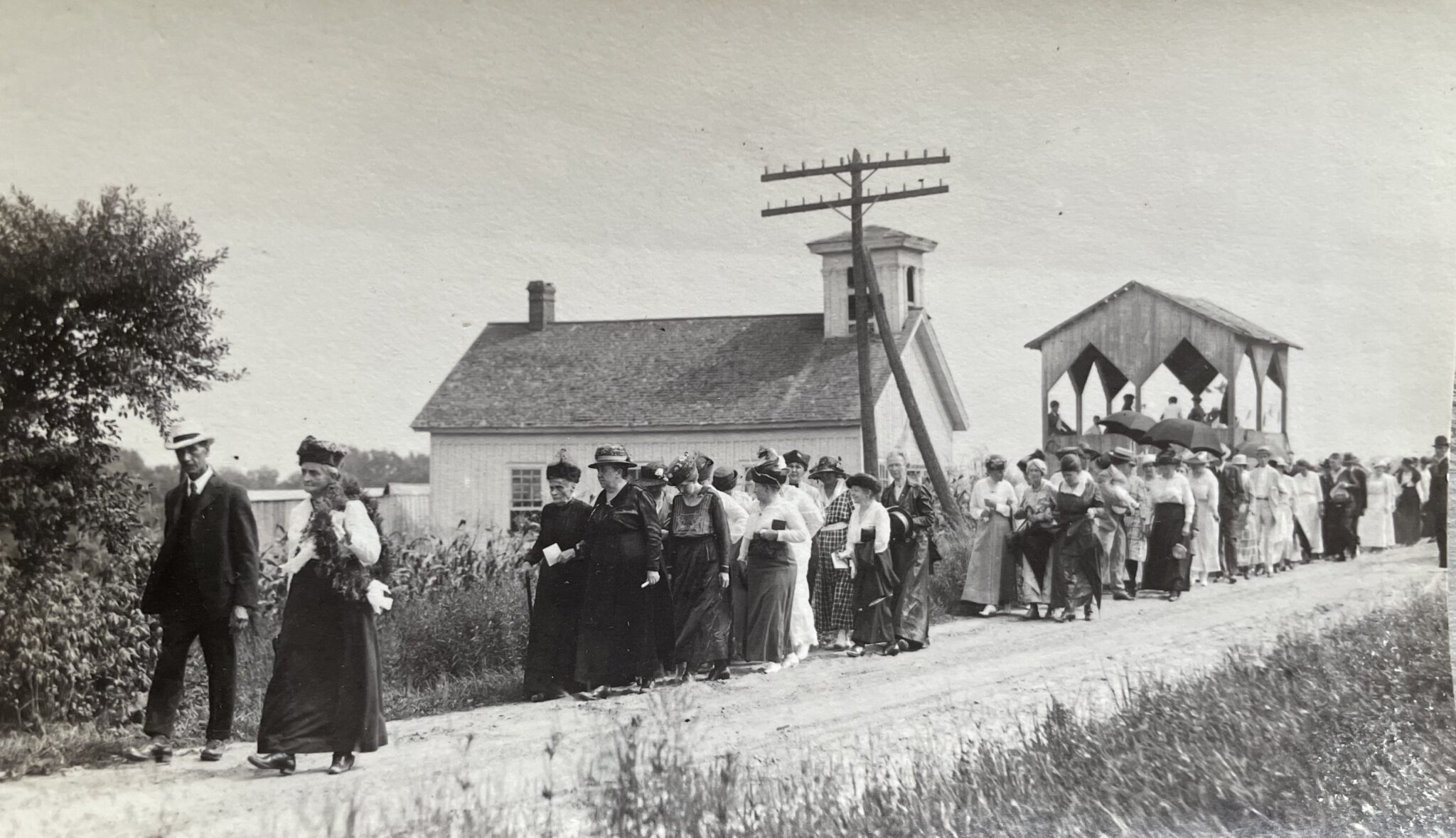
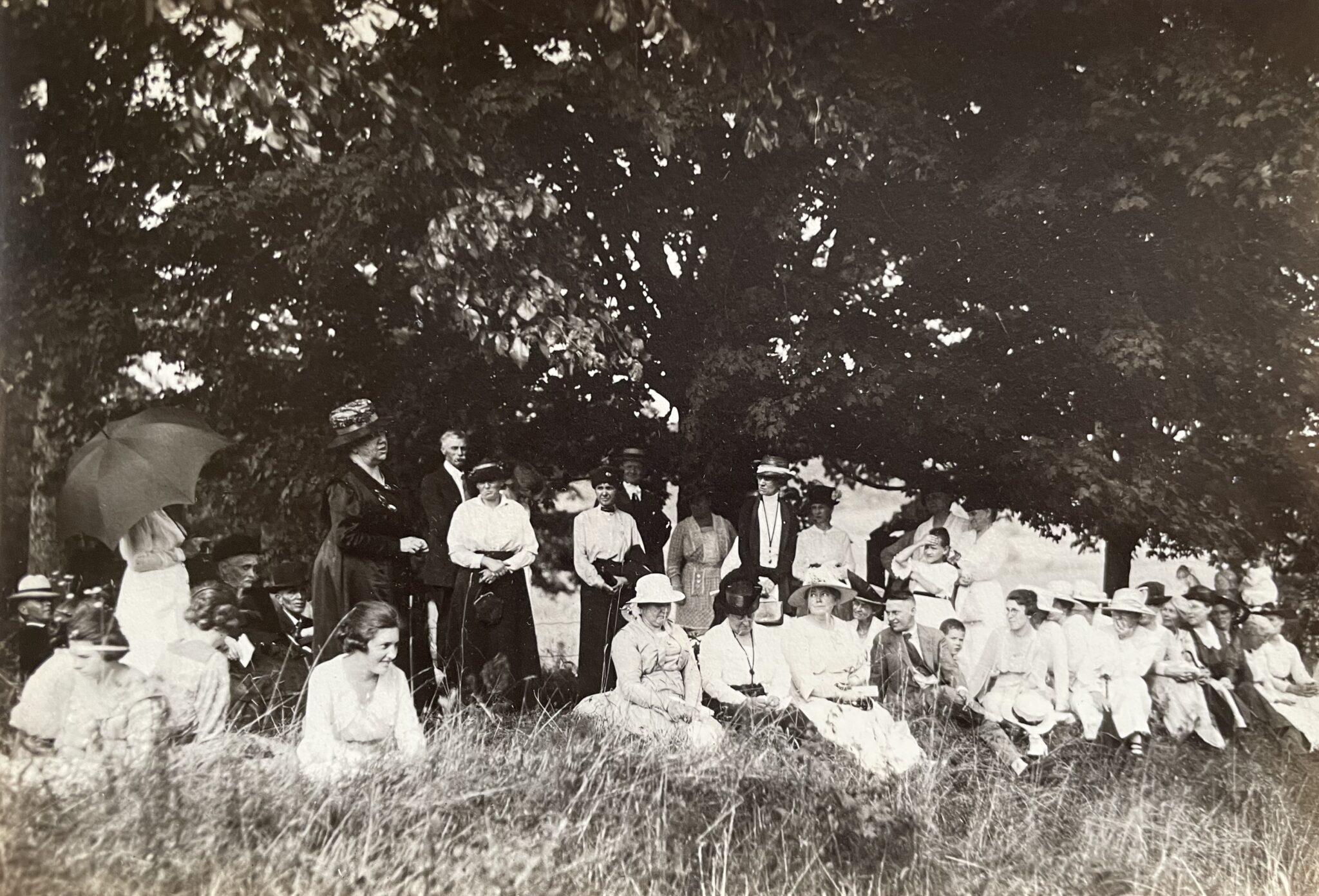
Susan B. Anthony spoke there in 1879 on women’s suffrage — one of many lectures given during the campaign for women’s rights. Harriet Taylor Upton, another leading suffragist, also used the chapel as a platform. Other notable speakers included Lucy Stone and possibly Louisa May Alcott, Stith said.
In 1871, local women even attempted to cast their first votes at the chapel, decades before suffrage became law, she added.
“Across the street, the Centennial Oak, planted in 1876, still stands as a living symbol of their courage and hope for equality,” Kolar said.
Stith noted that, in addition to uncovering artifacts from the chapel’s 1858 construction and the many outdoor events held there, the team also hoped to find evidence of former structures that no longer exist.
“Many people associate archaeological excavations in the U.S. with the mysterious search for dinosaurs and prehistoric peoples,” Stith said. “But archaeological excavation of a historic site can be just as compelling as it helps fill in the gaps in our understanding of community places by providing insight into how property was used, how structures were constructed, where structures were located and the material culture of daily life, especially when historical records are in scant supply. So much significance is placed on existing historic buildings that it can be too easy to forget the important role that the landscape and exterior surroundings play.”
She said photographs and recollections show suffragists, social reformers and community members made ample use of the lawn for events, allowing large gatherings to spill out of the modest structure — just as those in attendance did for the day’s dig.
Historical records show that at various times, the chapel and its grounds served as an election polling place, schoolhouse, Sunday school, singing school and lending library.
Geaugans also enjoyed picnics, band concerts, plays, movies, quilting bees and family reunions there.
“Who knows what material culture they left behind during these gatherings,” Stith said.
“The information gained from archaeological excavation on this historic site has the potential to help us reconstruct and more accurately interpret the various ways that this property served the Geauga community. And that will provide us with valuable insight as we match the historic role of this structure to current and future public needs in our efforts to restore and return (South Newbury) Union Chapel to its rightful place serving Geaugans.”