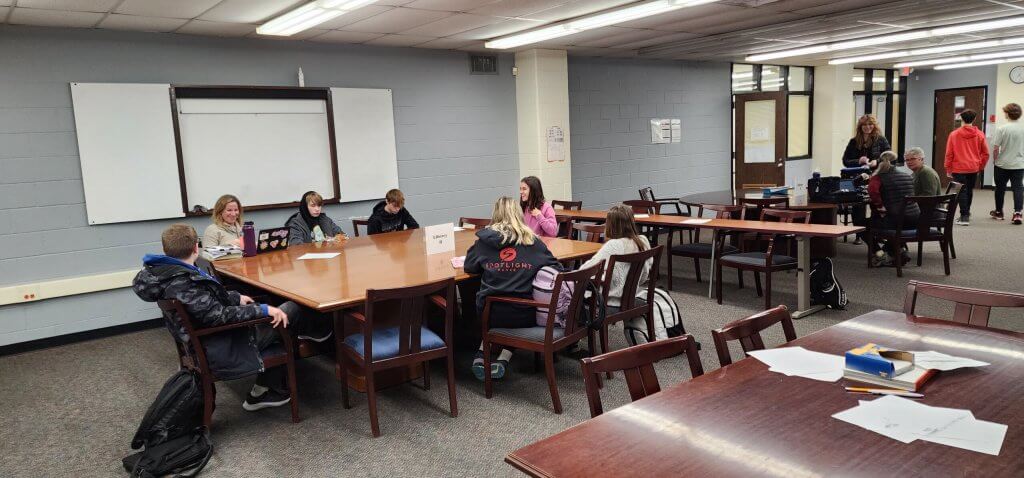
After one calamity day and two days of virtual learning, students returned in full to Chardon High School Jan. 9.
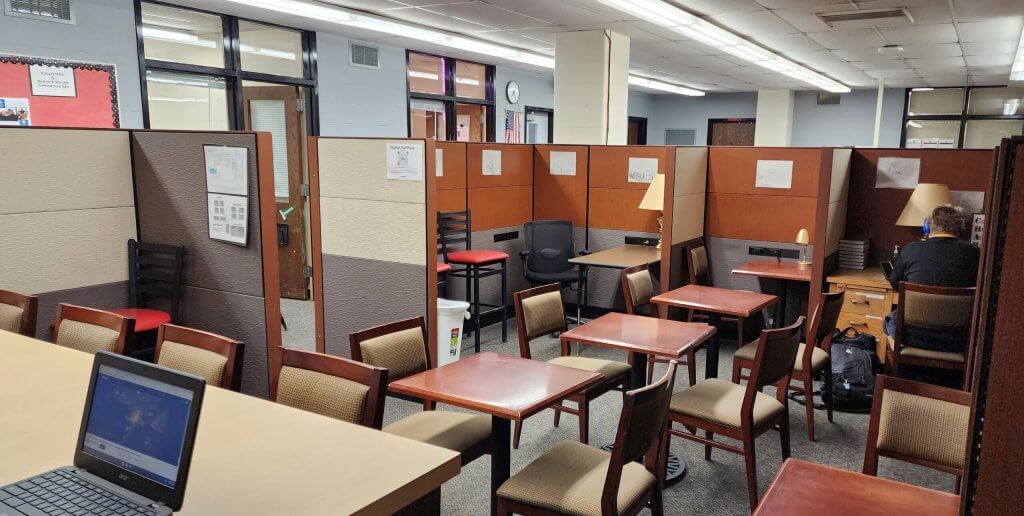
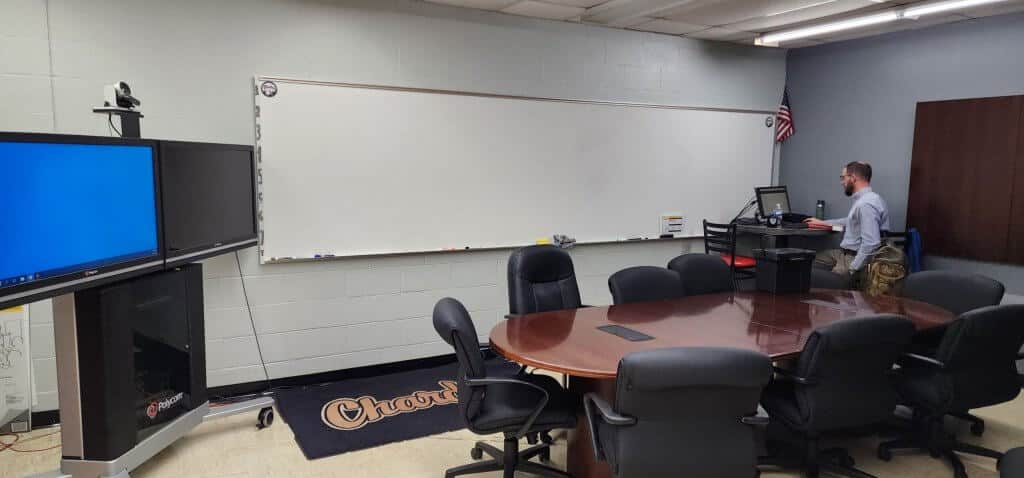
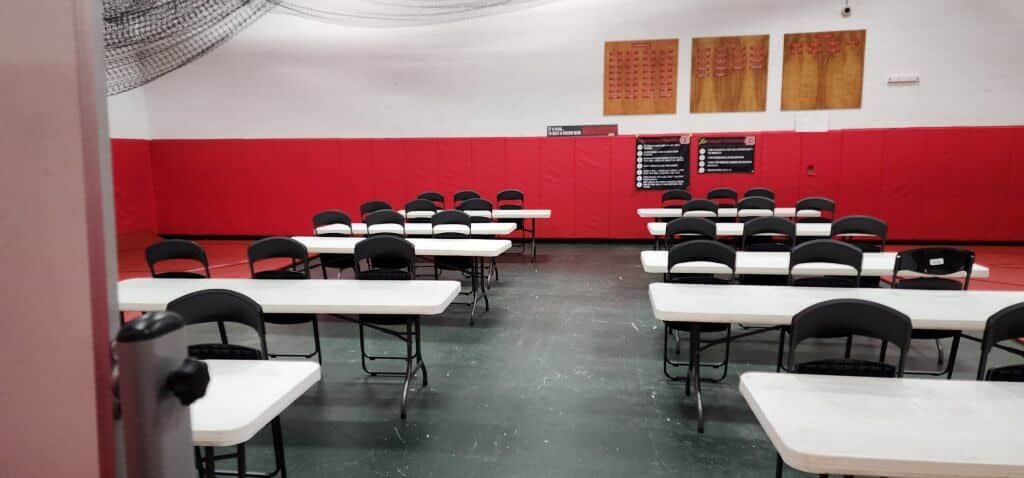
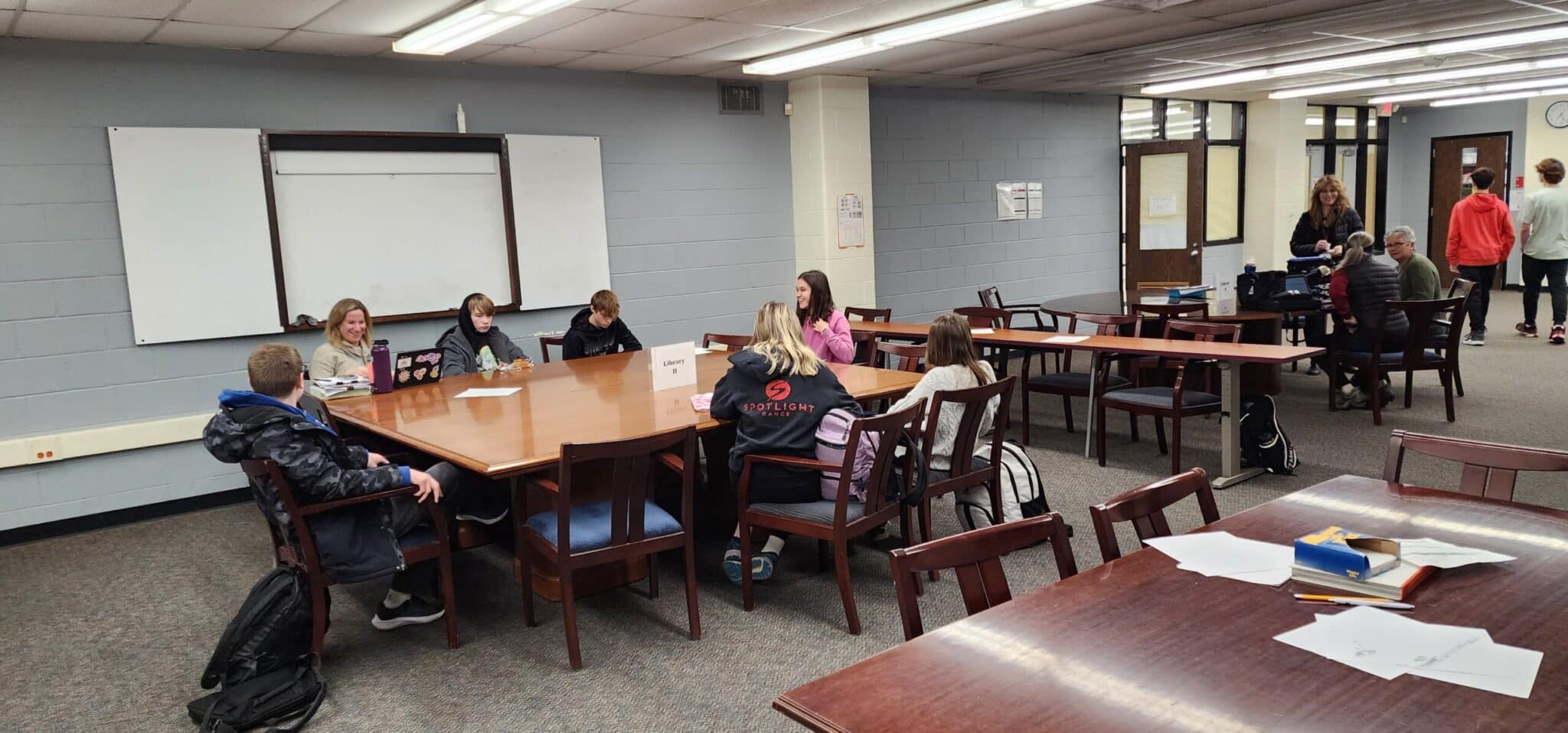
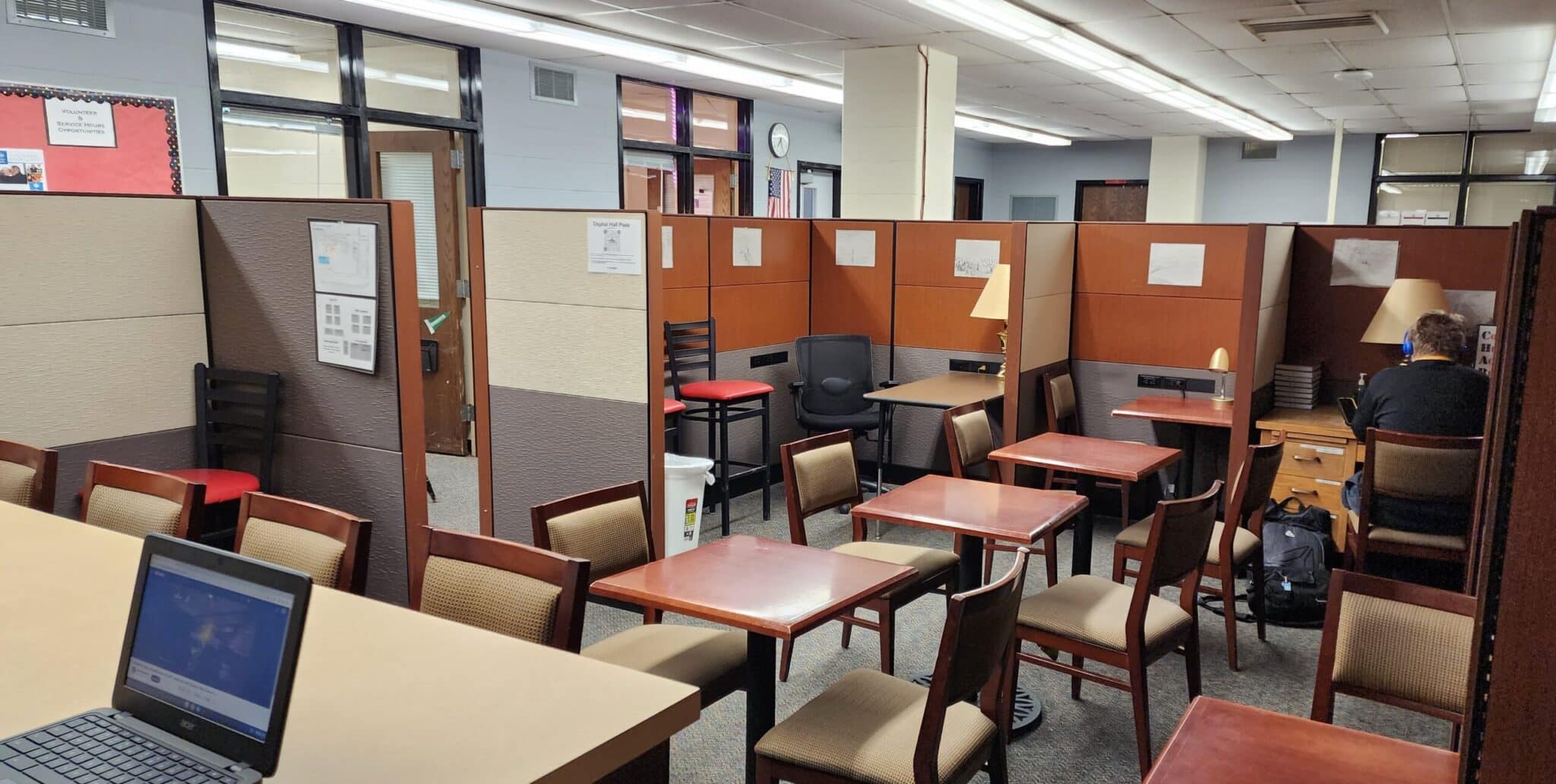
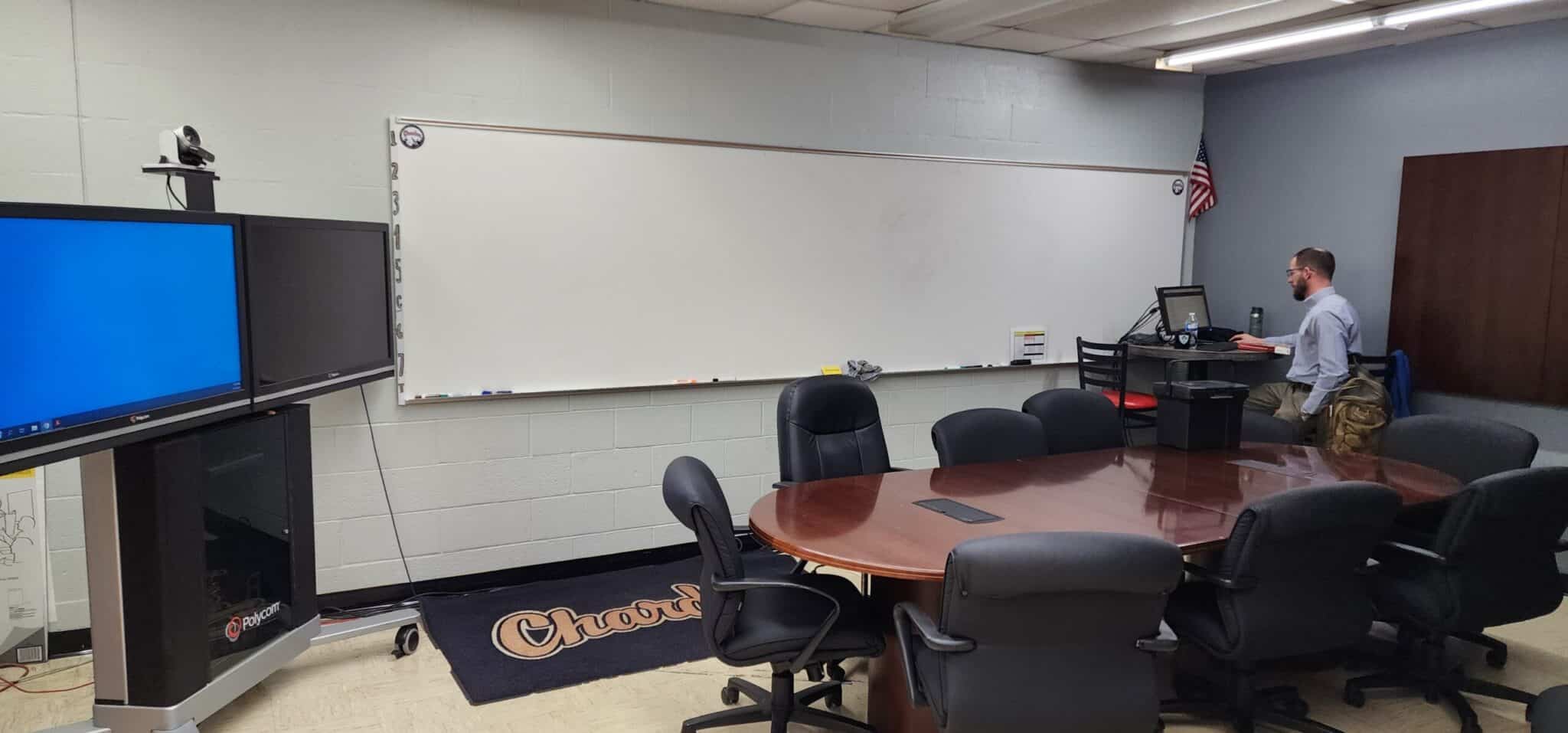
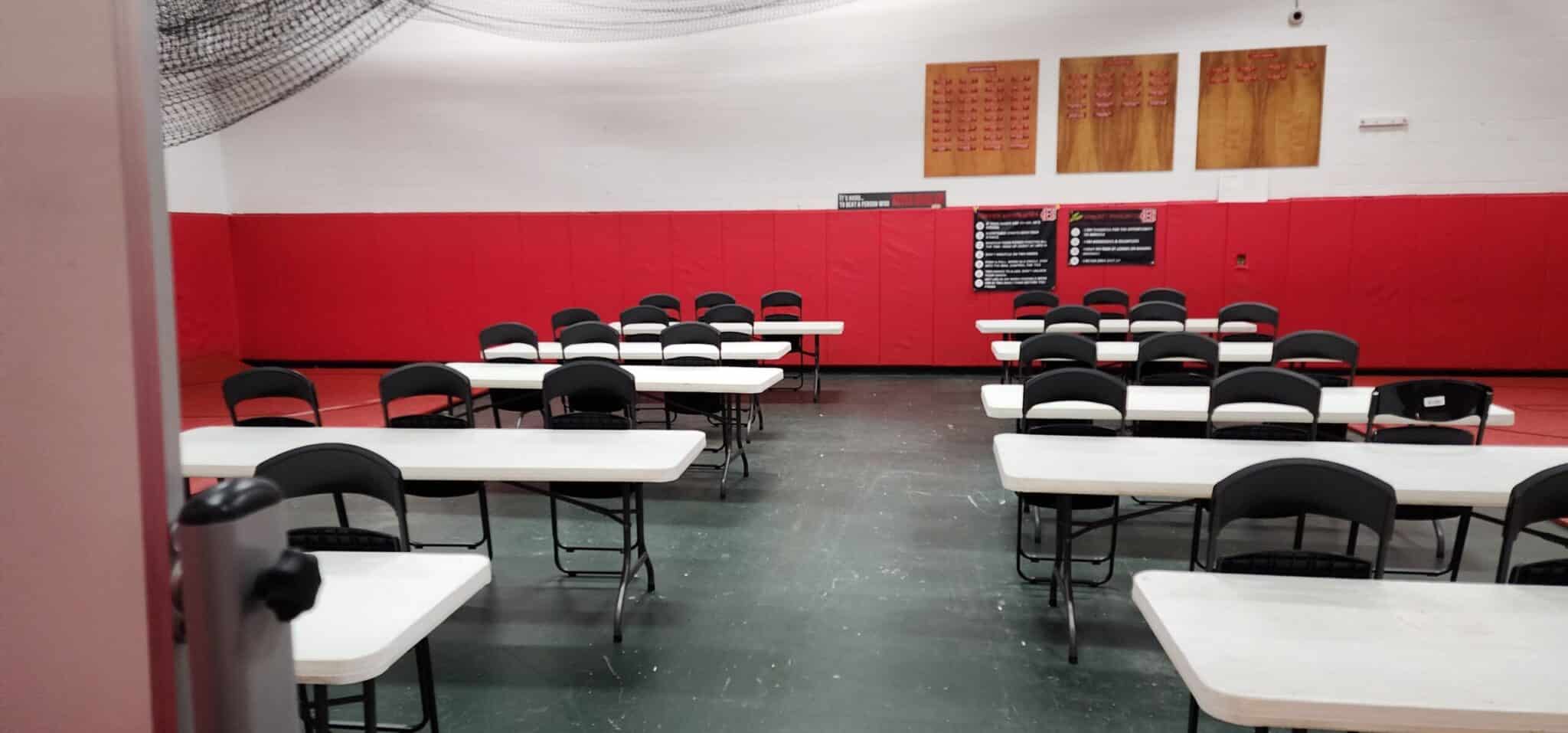
After one calamity day and two days of virtual learning, students returned in full to Chardon High School Jan. 9.
However, their classroom layout was adjusted to account for restoration work on portions of the building damaged by a burst water line Dec.25.
In his report to the board, and again in a Jan. 6 communication to district families, Chardon Schools Superintendent Michael Hanlon said a new complication has arisen in the restoration process — the exposure of previously safely-contained asbestos in floor tiles damaged in some of the 12-14 classrooms impacted by the flood.
“Schools of the age of Chardon High School typically have asbestos-containing building materials,” Hanlon wrote in his update. “Our district removed the exposed, hazardous, ACBM years ago through abatement programs. However, undisturbed ACBM such as flooring tiles, the mastic securing them to the floor and other materials have remained in schools, as is the norm in any school district.”
The affected classrooms will be unusable for a significant period of time, not because of moisture, but due to the need for asbestos abatement, Hanlon explained.
Due to the location of the work, students will have to exit and re-enter the building to access some rooms, including the band and choir rooms, but will be supervised by staff at all times when outside the building.
An email from CHS Principal Doug Murray to families Jan. 9 reminded students to tread carefully through areas of the building which were previously dedicated to other purposes.
“The media center, at any given period, may have eight classes in session and students should not be walking through that space unless they are in one of the classes,” Murray said.
The district complies with all state and federal regulations regarding documentation and removal of asbestos when necessary and has a contract with a licensed hazardous materials abatement firm, SafeAir, for abatement, he said.
SafeAir’s plans include construction of an airtight isolation barrier between the portions of the school being used for instruction and the areas included in the abatement process, as well as a second barrier around the specific areas abatement work is taking place.
Special high-level filters will “scrub” particles before they become airborne, Hanlon said, adding waste will be disposed of in compliance with state and federal regulations.
“The district successfully addressed similar challenges during window replacement at CHS last year and maintained a safe abatement process while students and staff occupied the building, using similar procedures and air quality testing protocols,” he said.

Air quality testing will continue in both the affected and unaffected areas of the building, he said.
In 1989, the U.S. Environmental Protection Agency banned new uses of asbestos, preventing new asbestos products from entering the marketplace after that year. CHS was first erected in 1951 as an elementary school, with additions in 1953, 1957, 1964 and 1974.
Chardon voters have repeatedly opted out of updating the campus, with building bond issues failing in 1996, 1997, 2001, 2019 and again in 2021.
In an email, Treasurer Deb Armbruster said the district paid a $1,000 deductible for the insurance claim related to the flooding and repair costs are covered under the policy. There is not yet a total dollar amount assessed for the damage.
Earlier in the evening, Armbruster presented the 2024 tax budget to the board. The total district taxable valuation for 2021 was about $762 million, while 2022 total taxable valuation came in at around $771 million, she said.
Ohio House Bill 920, first passed in 1976, caps the amount of levy money collected based on the millage at the time the levy was passed. This means Chardon Schools effectively collects only about 37 mills from residential property owners, although voters have approved about 80 mills in continuing levies over the past half-century.
The county’s tax schedule estimates about $30.7 million in anticipated tax revenue for 2024, Armbruster said, and the district’s numbers show the same amount.
In their annual organizational meeting that same evening, the board appointed Keith Brewster president and Guy Wilson vice president. Brewster was once again selected to represent the board at the annual Ohio School Boards Association conference and as OSBA legislative liaison, with Albright serving as alternate for both roles.
Brewster will also serve as the board’s representative on the Tax Incentive Review Council.
Board member C. J. Paterniti was absent from the meeting, while Wilson joined remotely due to illness and did not participate in voting.