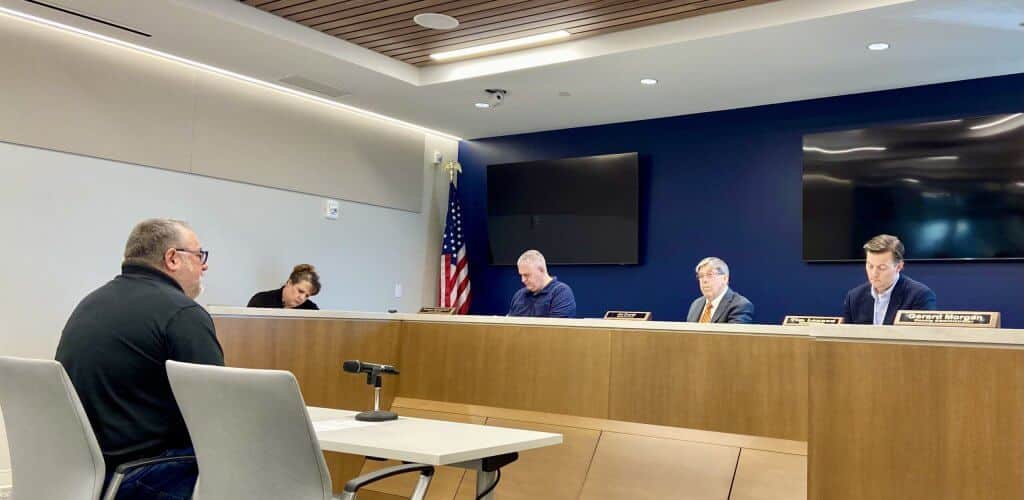
The Geauga County workforce may gain access to more affordable housing, and seniors and veterans could receive help toward critical home repairs through Lake-Geauga Habitat for Humanity if it receives $250,000 in American Rescue Plan Act funds.
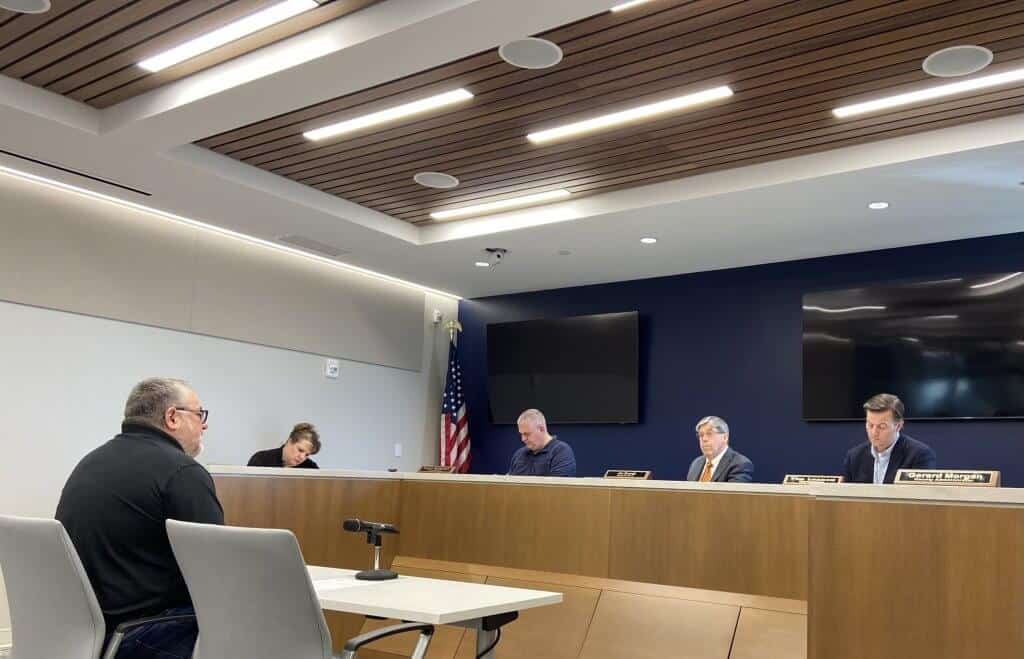
The Geauga County workforce may gain access to more affordable housing, and seniors and veterans could receive help toward critical home repairs through Lake-Geauga Habitat for Humanity if it receives $250,000 in American Rescue Plan Act funds.
“Habitat affiliates have been requesting and receiving ARPA funding from their local jurisdictions all throughout the United States,” said LGHH Executive Director Michael Barb during the Geauga County Commissioners’ Oct. 31 meeting. “We just want to throw our hat in the ring, so to speak. There’s a lot of folks who work in Geauga County that cannot afford homeownership, so we want to try to create a situation where they can afford homeownership closer to where they work.”
LGHH is an affiliate of Habitat International, a nonprofit ecumenical housing ministry that seeks to eliminate poverty housing from the world and to make decent shelter a matter of conscience and action, according to the organization’s LinkedIn page.
Commissioner Jim Dvorak asked Barb — who took over LGHH after previous Executive Director Jim Thie retired — how many Habitat homes have been built in Geauga County to date.
Barb said the Geauga and Lake organizations merged in 2015 prior to his arrival and he did not have that specific number on hand, but did say they are currently completing their 97th home in the Lake-Geauga region since 2015, and he speculated about half that number have been built in Geauga County.
“Our 98th home will break ground this spring in Chardon,” he said.
Dvorak said he participated in building two different homes with his Rotary club.
“I think one was in Middlefield,” he said. “It’s a good program.”
Barb also touched on LGHH’s affiliates repair program, which works with existing homeowners who are seniors and veterans who need physical repairs to their homes they cannot afford.
“We partner with them to provide the critical home repairs,” Barb said, adding these range from installing wheelchair ramps to roof replacements depending on the homeowner’s needs.

“We believe our request for APRA funding falls well within the guidelines and the scope of what the (U.S.) Treasury Department had intended the ARPA funding to be used for,” he said.
The Coronavirus State and Local Fiscal Recovery Funds program, authorized by the ARPA, delivered $350 billion to state, territorial, local and tribal governments across the country to support their response to and recovery from the COVID-19 pandemic, according to the department of treasury website.
The 2022 Final Rule, which took affect on April 1, 2022, noted recipients may use SLFRF funds to respond to negative impacts of the pandemic by supporting the health of communities and helping households, small businesses, impacted industries, nonprofits and the public sector recover from economic impacts.
Lennon asked Barb if he had the data to back up the negative impact on LGHH.
“The quantitative perspective on the impact of nonprofits like Habitat is really how the overall fundraising was impacted by the economic realities of COVID,” Barb said. “It’s generally known that through COVID, nonprofits fundraising efforts were impacted.”
After the conclusion of Barb’s presentation, members of the public asked commissioners how much money was left in the county’s ARPA fund.
“You have to give it away sooner or later,” county resident Newell Howard said.
County Administrator Gerry Morgan said Geauga County has about $7.5 million in ARPA funding that has not been used or accounted for.
“Everybody who has made their request has been presented to the board of county commissioners,” Morgan said, adding LGHH is listed as one of the options to be awarded ARPA funding.