


"There are 15 organizations in the Family First Council. How does this program do something different than the other 15 organizations have the potential to do?" – Commissioner Skip Claypool
Does Geauga County need another organization that helps recovering drug addicts lead productive lives?
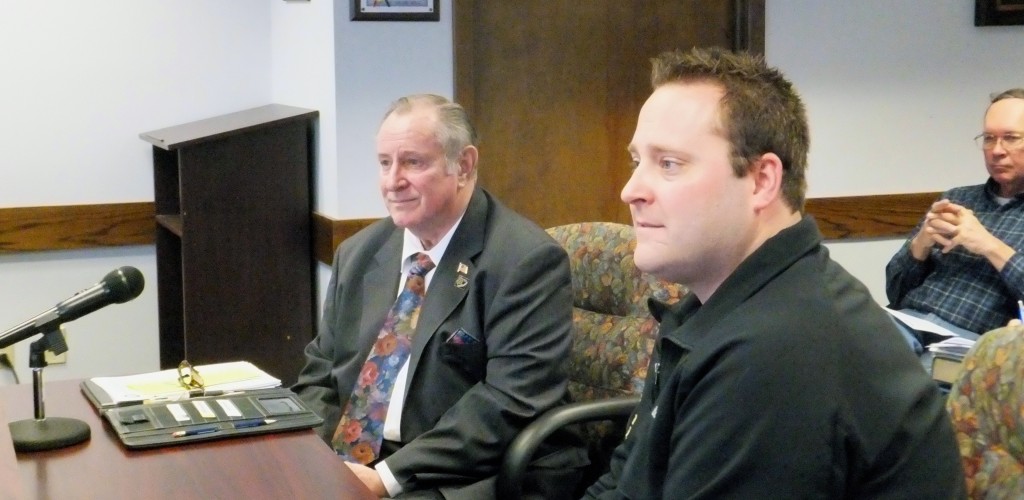
That was one of the questions Geauga County Commissioners asked Vic Matthews, coordinator of the Family Life Intervention Program, Tuesday following his presentation of the program.
FLIP was formed in 2013 by the county’s juvenile and probate court to assist parents whose children have been removed from their custody. FLIP volunteers help the parents through a recovery program and guide them through the myriad of court-related issues in an effort to reunite their families, Matthews said.
While Geauga County Job and Family Services advocates for the children, juvenile court Judge Tim Grendell created FLIP to advocate for the parents, he said.
The voluntary program has already yielded one graduate and six individuals in the process, figures that show success in the world of drug addiction, Matthews said.
“There are 15 organizations in the Family First Council. How does this program do something different than the other 15 organizations have the potential to do?” Commissioner Walter “Skip” Claypool asked, adding the $152,000 budget for FLIP salaries comes out of the general fund, not voted levies.
Closing the Cracks
“We had people dying before FLIP (started). We’re closing the cracks that exist in all the other programs,” Matthews said.
FLIP established a two-week timeline to get parents evaluated and into an intervention outpatient program by the third week, rather than the months individuals had to wait before, he said, adding FLIP participants who show they are ready can be reunited with their children sooner than through the other avenues.
Claypool questioned the effectiveness of a program when studies show only 2 percent of addicts stay clean, while most will slide back into the habit.
“Their recovery is open-ended, but their involvement in FLIP is not,” Matthews said.
An individual can participate in the program for one year and apply for two six-month extensions, for a maximum of two years, he said. During that time, he or she is paired up with a well-trained volunteer as advisor and advocate.
He presented a list of conditions they must meet, including staying sober, working to achieve a substance recovery program, taking steps to become stable, providing a safe home for the family that is drug- and alcohol-free, following assessment recommendations and finding other resources to help maintain sobriety.
Participants are expected to appear in FLIP court at least twice a month to give an update on progress, submit to random drug or alcohol testing, cooperate with other agencies, visit and support children in foster care, and attend community support meetings, he said.
Participants can be discharged from FLIP and there are sanctions for bad behavior.
“If they do not succeed, there may be permanent placement for the children,” Matthews said.
Claypool also questioned the safety of volunteers because of the potential for violence. Matthews said the assessment process rules out individuals who are prone to violence.
“We only accept people who have a chance to succeed,” he said.
More Volunteers Needed
Commissioner Blake Rear said he is involved in the Geauga County Opiate Task Force and the Chardon Community Action Team addressing the drug problems in the county.
“I have empathy for people with addiction and mental health problems. I don’t want people to think I don’t believe in helping people who have fallen off the rails,” Rear said. He asked how Matthews plans to help the increasing numbers of parents who need FLIP if he only has seven volunteers.
“The answer is to get more volunteers on board,” Matthews said, adding it would be possible to include domestic violence cases in FLIP in the future.
Overall, he said FLIP has had 17 cases. One individual was discharged because of continued drug involvement.
He listed seven cases with volunteers assigned, four of whom have completed their program and three of those have some follow-up activity. Some of the cases included more than one participant.
There have been eight FLIP cases without volunteer assignments because they were able to work a treatment program without supervision, he said.
Matthews emphasized success in FLIP means the clients are working their treatment program and staying sober, but recovery is a life-time process because there is no cure for addiction.
“That’s very important. In AA (Alcoholics Anonymous) they say: Once you become a pickle, you can’t go back to being a cucumber. The body changes. You can’t go back,” he said.
Collaboration Recommended
Claypool posited the issue.
“Judge Grendell wants to do what’s best for the families. The question is: How best to do that — through the court or through mental health professionals?”
The commissioners invited Craig Swenson, director of GCJFS, to join Matthews at the table.
“I appreciate the efforts Vic has taken to handle the drug problem. It’s not JFS tearing the kids away, it’s the court that gives us custody,” Swenson said. “My social workers don’t want to be the adversary in court. They are working with the parents.”
When a family comes under the scrutiny of the juvenile court, many agencies are activated, he said, adding the family suddenly has a lot of people working with them to reunite the family under better circumstances.
“That’s ultimately our goal, too,” Swenson said, recommending a collaborative effort between GCJFS and FLIP. “We can figure out how to work together.


