


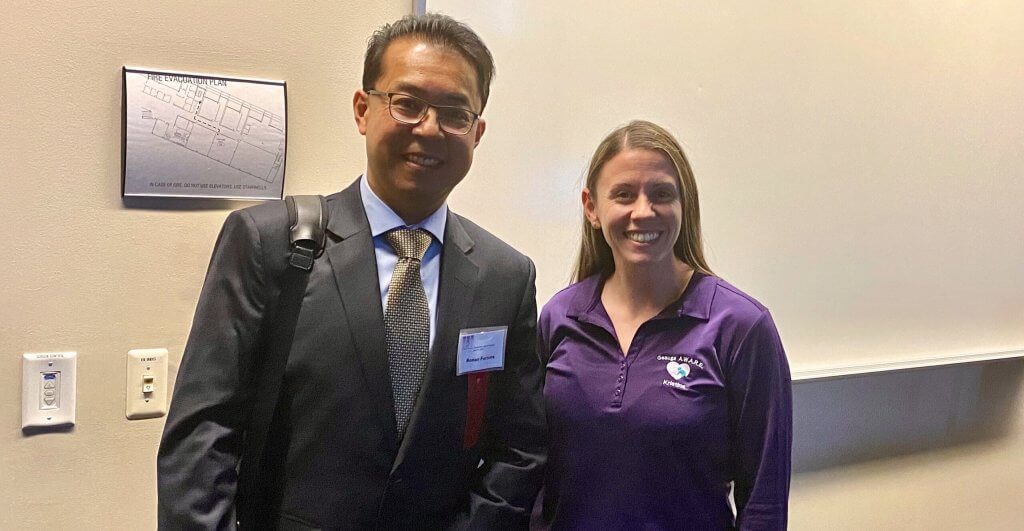
Every new day is an opportunity for people to pursue living the best versions of themselves.
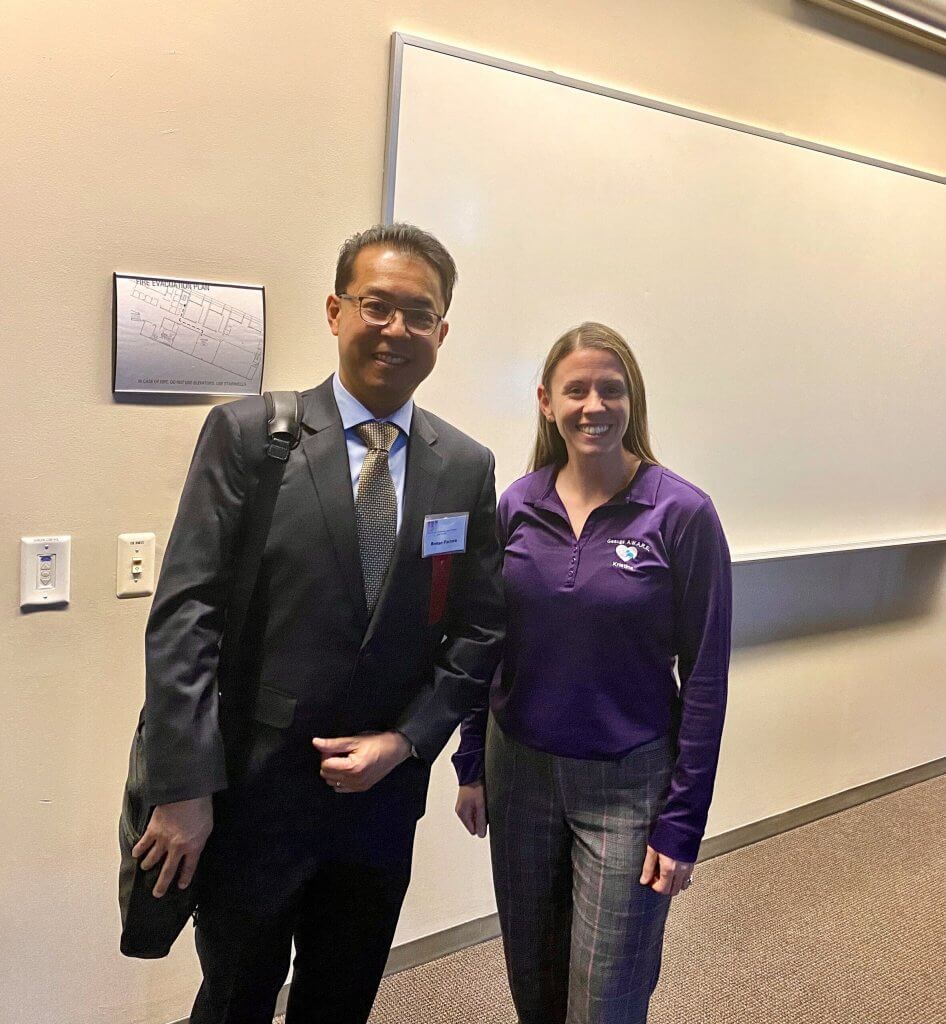
Every new day is an opportunity for people to pursue living the best versions of themselves.
But for some reaching their golden years, a silent problem is tarnishing their joy, dignity and security, and in some cases, costing them their lives.
Geauga County Adult Protective Services recognizes June as Elder Abuse Awareness Month each year and is helping shine light on the seriousness of the issue, as well as offering lifelines to those recognizing and needing support.
According to the National Council on Aging, up to five million older Americans are abused every year and loss for victims of financial abuse is estimated to be at least $36.5 billion.
One study from NCOA estimated “only one in 24 cases of abuse are reported to authorities.”
Kristina Miller, Geauga County Adult Protective Service supervisor, defines, in general, elder abuse as any knowing, intentional, or negligent act by a caregiver or any other person that causes harm or a serious risk of harm to a vulnerable adult — different forms include abuse, neglect, exploitation and self-neglect.
In 2021, Adult Protective Services investigated 120 cases of abuse, neglect, self-neglect and/or exploitation in the county.
“As seen in many years past, almost half of our investigations were self-neglect,” Miller said. “This is a trend that is seen amongst adult protective services across the country and within the state of Ohio. The number of investigations last year and in 2020 were lower than previous years which causes concern that during this pandemic, many reports of abuse or neglect are going un-reported.”
There are many red flags people can look for.
Signs include isolation, fear, depression, changes in sleep or appetite, injuries such as broken bones, bruises or marks on their body that may be unexplainable, poor living conditions, untreated bed sores, poor hygiene, unpaid bills, unusual changes in bank accounts or money management, fraudulent signatures or unusual or sudden changes in wills or other financial documents.

Elder abuse and neglect spans across all different types of demographics.
“Some trends we have noticed with our older adult population that we have investigated are those who live alone, are isolated and or have a limited support system,” Miller said. “This can increase the vulnerability of abuse or neglect occurring.”
GCAPS is getting the word out regularly by presenting at local agencies to educate and provide outreach about the topic.
This year, the agency used the power of newspaper advertisements, sent flyers to local churches and posted on social media
Miller participated in the June 15 “World Elder Abuse Awareness Day” C3A Consortium, which advocates for older adults who may be victims.
Dr. Ronan Factora, Cleveland Clinic program director of Geriatric Medicine Fellowship, recently spoke with a workshop panel addressing technology and older persons at Tri-C Corporate College in Warrensville Hts.
“I’ve been actively involved in the area of elder abuse for a number of years, working as a member of the Cuyahoga Adult Protective Collaborative, a co-chair of the research subcommittee on the Ohio Elder Abuse Commission and also the chairperson for the American Geriatrics Society Elder Abuse Special Interest Group,” Factora said. “I continue to work with Cuyahoga County Adult Protective services to help older persons who are suspected victims of all manner of elder abuse and mistreatment and have recently been working with them to implement and develop a program utilizing virtual capacity evaluations as a way to reach out to persons who cannot go to see a physician to get this done.”
This project was implemented during the early part of the pandemic, when all isolation protocols were put into place and people were really stuck in their homes.
“I had often been seeing patients referred by Cuyahoga County APS for in-person capacity evaluations, but this stopped during the pandemic,” Factora said. “The need was still there, so we implemented this program (developed in Texas with their statewide APS) to use virtual visits to conduct capacity evaluations — using technology for the benefit of those in need.”
He went over how the process works and what is done during part of the evaluation. “Hopefully, with people more aware that this service exists, it may be utilized more easily in the community when people are more aware that it has been working well,” Factora said.
He said elder abuse is often missed, particularly financial exploitation and self-neglect. “The consequences of this issue on the person experiencing it can be severe, with these persons being at much higher risk for death compared to those who do not experience elder abuse,” Factora said. “Many times, subtle clues may be the only hints that something is going wrong — these may include slow weight loss over time in those who are neglecting their own care, inability to purchase medications when a person is running out of money to pay for them (which could be due to their funds being diverted from them through exploitation or fraud), or multiple trips to the emergency department due to exacerbations of chronic medical conditions because they were not getting their medications administered properly.”

Clues show up at different points in that person’s day and life.
“All it takes is just for one person to be suspicious that there is a problem, and it should be brought to the attention to someone who can investigate (such as adult protective services),” Factora said. “The mistake that people often make is someone else will catch this and report it or that someone else is responsible for addressing this issue. Unfortunately, when this happens and the buck is passed to the next person, it remains unreported, the impact on the person continues and the damage, once done, often cannot be reversed.”
Staying connected is important to one’s mental health at any age in one’s life. Social isolation is often a risk factor for elder abuse and depression, Factora said.
“If there are family members, friends, or neighbors who you know are alone, it is always a good idea to address the concern you have about their well-being and check up on them,” Factora said. “It is only a little bit of effort to make sure that they are doing OK, seeing them for a brief period of time, making sure that their needs are met or just checking in to see if there is anything they need.
“Persons who are isolated may not know how to access the resources they need to continue to remain in the community. We should strive to help those who cannot help themselves and have few supports to provide the help that they might need to stay in their homes,” he added. “If you see that there is a problem or have that ‘gut feeling’ that something is off, it is OK to reach out to other family and community agencies to check in and do a more detailed evaluation if you have any concerns — don’t ignore it.”
Anyone who has a suspicion of elder abuse or neglect can call GCAPS 24/7.
Call during normal business hours at 440-285-9141 or after hours at 440-285-5665.
You can make an online referral at https://aps.jfs.ohio.gov/. You are encouraged to provide a phone number, staff may have follow up questions upon receipt of your report.


